Reading the Signals: Why Warning Lights Matter
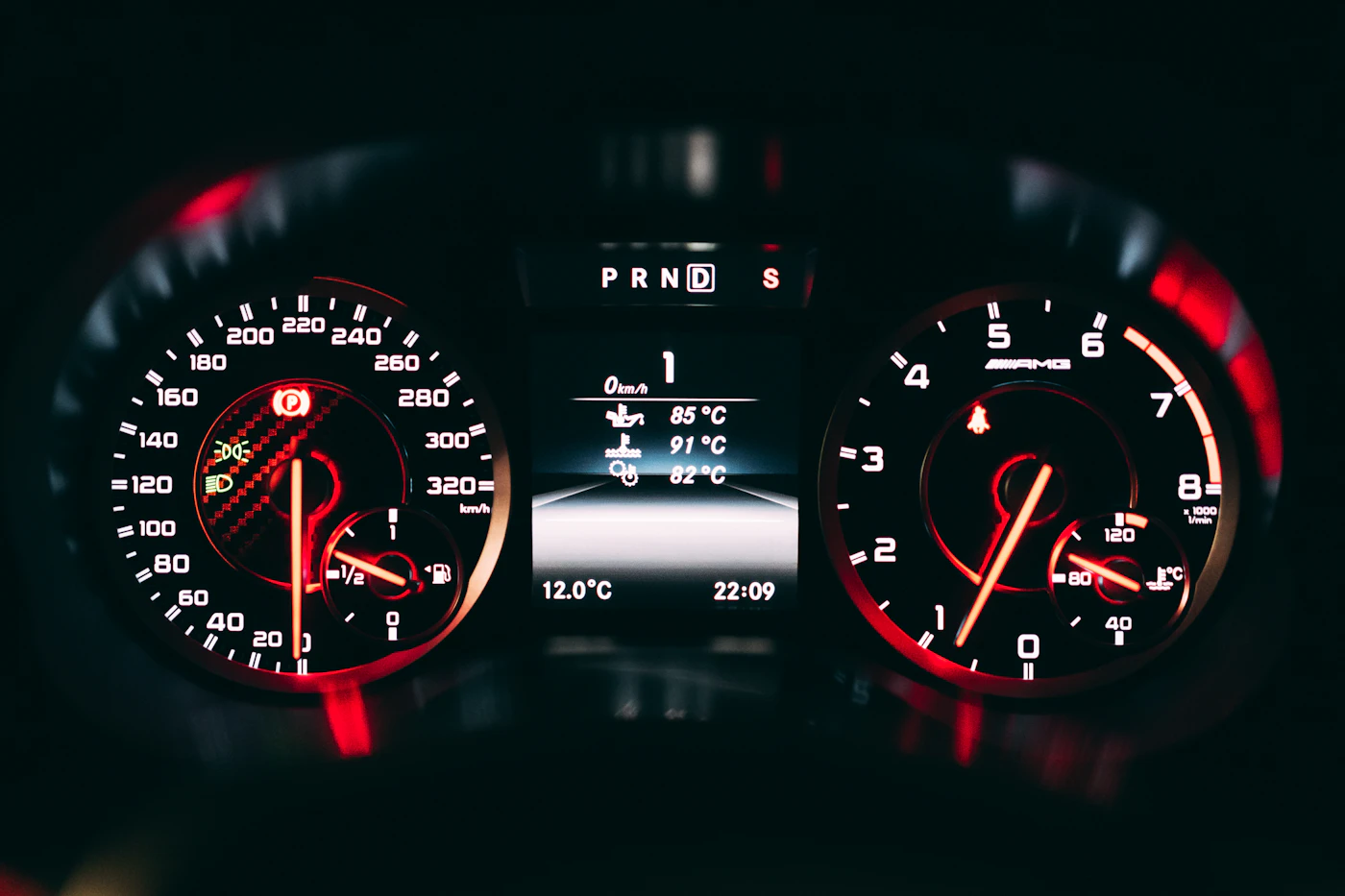
Your dashboard is your car’s way of starting a conversation. Before you turn the key, the cluster of symbols glows briefly—a quick self-check that everything is ready for the road. Once driving, those same lights are your first line of information about systems that, until a moment ago, were working in the background. It helps to think of each warning light not as a diagnosis, but as a prompt. The light says, *"Something deserves attention,"* not *"Here is the exact problem."*
The most productive approach is calm observation. When a light appears, note where you are and how the car feels. Does the engine sound different? Is there an unusual smell? Does the light stay steady, or does it flash? That simple distinction matters. A flashing light often signals a condition that needs immediate action—such as pulling over safely—while a steady light might allow you to finish a short trip before investigating further.
Here are a few general principles to guide your response:
- What changed? Did the light come on after filling the tank, driving through deep water, or a hard stop? Context is useful.
- How does the car behave? If the light is accompanied by rough idling, loss of power, or unusual heat, that information is valuable to a technician.
- When in doubt, slow down. Reduce speed, avoid heavy acceleration, and plan a safe, short route home or to a repair shop.
Approaching warning lights with patience instead of panic keeps you safer and helps you describe what you see accurately. The light is a clue, not a verdict—and the next step is to read the owner's manual, then decide whether the task is a simple check or one for a qualified professional.
The Most Common Lights and What They Usually Mean
When a dashboard light flickers on, it’s easy to feel a spike of uncertainty. The good news is that most warning lights fall into a small handful of categories, and knowing the basics can help you respond calmly and sensibly.
The battery light is one you’ll want to notice early. It typically means the charging system isn’t working as it should, so the car may be running on battery power alone. Common triggers include a failing alternator, a loose belt, or worn battery connections. If this light appears while driving, keep the engine running and head toward a safe spot. The car may still drive for a while, but turning off the engine could leave you stranded.
The oil pressure light looks like a classic oil can with a drip. This one deserves immediate attention. It usually means oil pressure has dropped, which can happen with low oil, a clogged filter, or an internal leak. If the light stays on, stop the car as soon as it’s safe to do so. Continued driving with low oil pressure can cause serious engine damage.
The engine temperature light—often shown as a thermometer in waves—signals that the engine is running hotter than normal. A low coolant level, a faulty thermostat, or a radiator fan issue are frequent causes. If you notice it, pull over and let the engine cool before checking anything. Opening the hood immediately after driving can be dangerous.
Finally, the check engine light is the broadest of the group. It can indicate anything from a loose gas cap to a more involved emissions or sensor issue. If it’s steady and the car feels normal, a safe routine check is to confirm the gas cap is tight and see if the light resets after a few drives. If the light blinks, that’s a stronger signal to reduce speed and have the vehicle looked at by a professional soon.
- Dashboard lights are alerts, not diagnoses—use them as a starting point.
- For any warning light, consult your owner’s manual for model-specific guidance.
- If you are unsure about the cause, a qualified mechanic should inspect the vehicle.
Remember, these lights are designed to help you act before a small issue becomes a larger one.
Safe First Checks You Can Do at Home
Before you schedule a service visit, there are a few simple observations you can make in your own driveway. These checks are meant to give you a clearer picture of what might be going on, not to replace a professional diagnosis. Always let the engine cool completely before opening anything under the hood.
Start with the gas cap. If your fuel-filler warning light is on, a loose or cracked cap is a common and easy fix. Remove it, inspect the seal for visible wear, and reinstall it until you hear a click. This small step can clear a warning that simply means the system detected a small vapor leak.
Next, look at your tires when they are cold. The dashboard light for tire pressure does not tell you which tire is low, so a visual sweep is useful. Walk around the car and check for obvious flattening, bulges, or nails in the tread. If one tire looks lower than the others, that is a clear clue to share with a technician. You can also use a basic handheld gauge to check the pressure, but for exact readings and adjustments, a service station or tire shop is the safer bet.
Finally, if you have a warning light for engine temperature or oil, do not open the hood right away. Park, turn off the car, and wait at least 30 minutes. While you wait, you can safely check the ground beneath the vehicle for fresh fluid stains and note their color. This information is valuable, but any fluid inspection or top-off should be left to a professional who knows the correct type and level for your car.
When a Warning Light Means Stop Immediately
Most dashboard lights are gentle reminders—a nudge to fasten a seatbelt or schedule an oil change. But a few indicators serve a far more serious purpose. When certain lights illuminate, they are not asking for your attention; they are telling you that continuing to drive could cause significant damage to the engine or create an unsafe situation.
The two most urgent are the oil pressure warning and the engine temperature warning. The oil pressure light, often depicted as a red oil can or dripping spout, signals that the engine is not receiving adequate lubrication. Moving parts are grinding without proper protection. When this light appears, do not drive further to “see if it clears.” Pull over to a safe, level spot as soon as you can and shut the engine off.
Similarly, a red thermometer symbol or a message indicating high engine temperature means the engine is overheating. Continuing to drive can warp components or crack the engine block. Find a safe place to stop, turn off the car, and allow it to cool. Opening the hood immediately can be hazardous; wait for the heat to subside.
Other lights that warrant an immediate stop include:
- The battery charging warning, if it appears with a loss of power or dimming lights.
- The brake system warning, especially if the pedal feels soft or sinks toward the floor.
When you are safely stopped, a professional can inspect the issue. Checking fluid levels when the engine is cool is reasonable, but diagnosing a pressure loss or electrical fault is best left to a qualified mechanic. Your safety is worth more than the few minutes you might save.
Common Misconceptions About Warning Lights
One of the most persistent myths is that a warning light which turns off on its own means the problem has disappeared. In many cases, the system has simply completed a self-check cycle under certain driving conditions, or the fault has become intermittent. The light may stay off for days, only to return at the least convenient moment. Treat a temporary disappearance as a clue, not a cure.
Another widespread misunderstanding involves resetting the light without addressing the underlying issue. Some drivers assume that clearing the code is the same as fixing the car. It is not. The light is tied to sensors and diagnostic systems that have detected a deviation from normal operating parameters. Erasing the signal does nothing for the mechanical or electrical condition that triggered it. You may gain a quiet dashboard, but the risk remains, and in some cases it can worsen because the vehicle is driven harder while the fault is unresolved.
It is also easy to assume that every warning light signals an immediate emergency. That is not accurate. Many indicators simply alert you to routine maintenance needs or reduced system efficiency. The color and behavior of the light matter. A steady amber light often means plan a check soon, while a flashing red light typically asks for prompt attention.
- A light that goes off is not proof the issue is resolved.
- Resetting a warning without repairs only hides the symptom.
- Not all warnings require pulling over immediately, but all deserve a timely investigation.
When in doubt, consult your owner’s manual for the specific symbol and its general meaning, then have a qualified technician take a look if the light persists.
Building a Healthy Relationship With Your Dashboard
Your dashboard is less like a report card and more like a quiet conversation. Most of the time, it is simply confirming that all is well—a steady temperature gauge, a fuel level that makes sense, and the reassuring glow of the usual lights blinking on for a moment at startup. The goal is not to memorize every symbol, but to become fluent in your own car’s particular rhythm.
Start with simple observation. Pay attention to how your engine sounds on a cold morning versus after a long drive. Notice where the temperature needle typically rests once warmed up. This baseline knowledge is invaluable; it makes it far easier to spot the small changes that matter long before a warning light ever appears.
A simple log can be a surprisingly useful tool. Keep a small notebook in the glove compartment, or use a notes app on your phone. Once a week, jot down the date and your mileage. Notice any subtle differences in how the car starts, idles, or shifts. If you hear a faint squeal that disappears after a minute, write that down too. This practice turns vague unease into a clear timeline that you can share with a mechanic if the issue persists.
When a warning light does illuminate, use it as a prompt for gentle investigation, not alarm. Before calling anyone, check the obvious things:
- Is the gas cap fully tightened?
- Is the parking brake completely released?
- Do the headlights, taillights, and turn signals all work?
- Are the tire pressures visibly low when you walk past the car?
These straightforward checks solve a surprising number of minor issues. For anything that remains, such as a persistent check-engine light or a drop in oil pressure, that light is your cue to schedule service with a professional. The goal is not to ignore the lights, but to understand the normal state of your car so that the abnormal is unmistakable.