Mistake 1: Using Too Many Storage Containers
It seems logical that more bins and baskets mean more places for toys to go. In practice, however, a surplus of containers often creates new problems. When every shelf holds three different boxes, children cannot easily remember which item belongs where. The result is usually a pile of mixed toys on top of the containers, because sorting them feels like too much work.
An overload of storage also gives small items more places to hide. Lost puzzle pieces and lone crayons tend to accumulate in the bottom of bins that are rarely opened. Instead of simplifying cleanup, you end up with an extra layer of stuff to sift through just to find a single toy.
A more practical approach is to reduce the number of containers to what you actually use each week. Keep only one or two open bins for the most common items, such as stuffed animals or blocks. For smaller pieces, use a single, flat tray with a lid. Label each container with a simple picture or a single word, matching the label to the toy category.
When you use fewer containers, children can see what is inside without digging. They also learn a clear rule: one bin for one type of item. This makes putting toys away a faster, less frustrating task.
- Choose containers that are open and easy to reach, not stacked high.
- Use plain labels with a photo or a large printed word.
- Remove containers that hold mixed odds and ends; give those items a permanent home elsewhere.
The goal is not maximum storage, but easy, repeatable habits. A small number of clearly defined spots will keep the seating area tidier than a wall of mismatched baskets ever will.
Mistake 2: Storing Items Out of Reach
It is natural to want to keep a child’s seating area looking neat by placing cups, wipes, bibs, or small toys on a high shelf or counter. The logic seems sound: if the items are out of reach, they cannot be dragged down, spilled, or lost. In practice, however, this setup often works against you.
When a child cannot easily reach what they need—whether it is a drink, a napkin, or a preferred toy—they will usually try to get it anyway. This might mean climbing onto the chair, pulling at the edge of a shelf, or asking for help repeatedly. The result is not a tidier space. It is a chair that gets pushed out of place, items that get knocked to the floor, and a cycle of spills and messes that you have to clean up again and again.
Instead of storing things high, look at where the child actually sits and eats. Keep the most-used items within their natural reach, at seat height or slightly lower. This does not mean leaving everything loose on the table. A small, low bin or a shallow caddy placed on an adjacent, stable surface can hold the few essentials. Consider these points:
- Place only one or two items on the table at a time. A full tray is easier to knock over.
- Use a low, open container with a wide base so the child can see and retrieve items without stretching.
- Store refills—like extra wipes or bibs—in a nearby drawer or lower cabinet, not on a high shelf.
When children can reach what they need without climbing or straining, they are far less likely to create a mess trying to get it. The space stays calmer, and the tidy setup actually lasts.
Mistake 3: Forgetting to Secure the Seating Area
Tidiness around a child’s seating area is about more than picking up crumbs or folding away blankets. A space that looks neat can still hide a safety concern if the seating itself is unstable or if cushions have shifted out of place. Many parents focus on wiping down trays and stashing toys, but overlook the simple act of checking that the seat is actually secure before each use.
The most common oversight is assuming that because a high chair or booster seat was properly set up last week, it is still properly set up today. Kids wiggle, siblings bump into chairs, and straps get pulled loose during play. A quick visual check can catch obvious problems before they become real ones.
Here are a few simple checks you can do as part of your regular tidying routine:
- Look, don’t just wipe. When you clean the tray or seat surface, take two seconds to glance at the base. Are all legs flat on the floor? Is the seat frame visibly free of cracks or bends?
- Give cushioning a gentle press. For seats with removable padding, press down on the cushion to confirm it sits flat and does not slide forward. Loose padding can make a child feel unsteady, even if the frame is fine.
- Check straps and buckles for twists. Tangled or flipped webbing is easy to miss when you are in a hurry. Straighten the straps as you wipe down the area, so they are ready for the next meal or activity.
If you notice that a seat rocks, a leg is uneven, or a buckle no longer clicks into place firmly, stop using that seat and contact the manufacturer or a qualified repair service. Everyday tidiness should never replace a proper safety inspection, but a quick hands-on check while you are already cleaning is a practical habit that keeps the seating area both neat and safe.
Mistake 4: Trying to Keep It Clean After Every Use
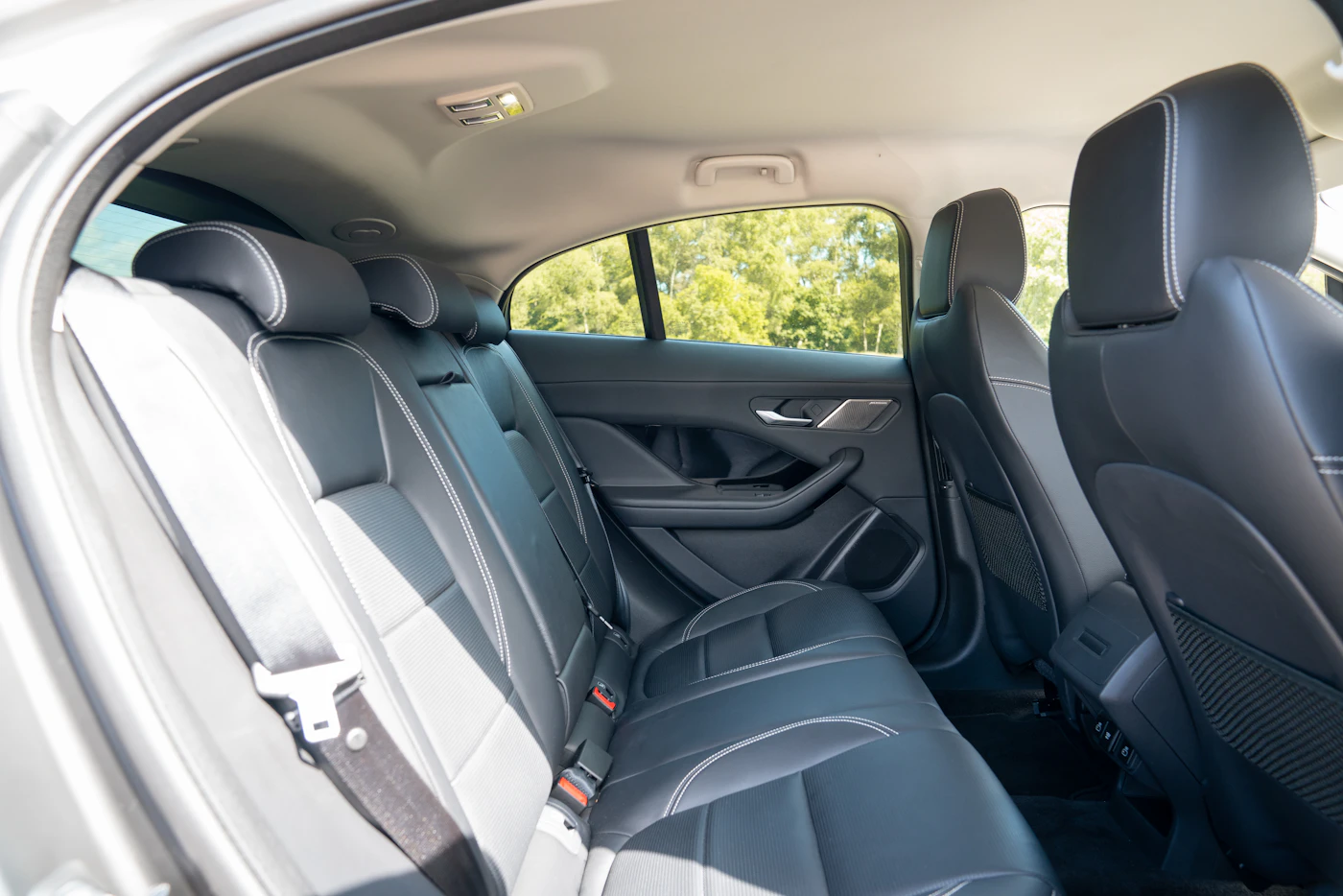
It is easy to fall into the habit of wiping down the car seat, vacuuming the floor mats, and brushing crumbs off the upholstery every time you unbuckle your child. While it feels productive in the moment, this approach is rarely sustainable. Life with young children involves frequent short trips, and treating every errand as a full cleaning session quickly leads to burnout. The frustration comes not from a lack of effort, but from an unrealistic standard: the space will get messy again within hours, so the cycle never feels complete.
A practical system works better when it separates light daily upkeep from deeper weekly cleaning. This way, you protect the seating area without turning every departure into a chore.
- Daily (one to two minutes): Before you drive away, quickly shake out loose floor mats or sweep crumbs off the seat with a dry cloth. A small handheld brush kept in the door pocket works well. The goal is simply to prevent food residue from being ground into the fabric, not to make the area spotless.
- Weekly (ten to fifteen minutes): Set aside one day for a more thorough pass. Remove the car seat if easily detachable, vacuum the crevices and straps, wipe down hard surfaces with a mild cleaner, and launder any removable seat covers according to their general care instructions.
This schedule acknowledges that a child’s seating area will never remain pristine. By accepting a reasonable level of daily mess and addressing buildup only weekly, you reduce frustration and keep the space genuinely usable. If you notice stains or odors that do not improve with regular cleaning, or if the car seat has been involved in a crash, consult the manufacturer’s guidance or a certified child passenger safety technician rather than attempting disassembly beyond routine cover removal.
Mistake 5: Ignoring the Child's Input
It is tempting to design the perfect seating zone—bins labeled, shelves aligned, and everything placed just so. The problem is that this system is yours, not the child’s. When a child returns to a space they had no say in, the tidy arrangement often reads as just another set of adult rules. Within days, the neat rows give way to the same tangle of hats, shoes, and bags, simply because the child never felt invested in the outcome.
A more practical approach is to involve the child in the simple decisions that shape the area. This does not mean surrendering control or asking for complex opinions. It means offering a few concrete choices that are easy for a young child to grasp.
- Ask about location. Let the child pick which hook or cubby is "theirs," even if all the hooks look identical to you.
- Offer two container options. A plain basket versus a canvas bin gives the child a real choice without overwhelming them.
- Let them name the space. A label like "Duck Landing Zone" or "Muddy Boot Corner" makes the area feel like theirs.
When a child participates in these small choices, they are more likely to use the space as intended. You are not asking them to manage a complex routine; you are simply giving them a stake in it. The goal is not a picture-perfect entryway but a practical one that works for the whole family. A child who feels heard is far more willing to cooperate with the daily habit of putting things away.
Mistake 6: Overlooking Hidden Nooks and Crannies
Surface cleaning can make a child seating area look presentable at a glance, but the real test usually happens when a snack cup tips over or a small toy rolls under the seat. Crumbs, dried food bits, and tiny accessories tend to settle into the crevices where the seat cushion meets the frame, along the edges of armrests, and in the gap between the seat base and the floor. Over time, these hidden pockets collect dust and debris, which can make the entire area feel less fresh even after a thorough wipe-down.
The good news is that most of these spots are easy to reach with a few simple tools. A vacuum with a narrow nozzle attachment works well for the gaps between cushions and along seams. For tighter spaces, a clean, dry pastry brush or an unused craft paintbrush can loosen trapped crumbs without scratching surfaces. If you notice sticky residue in a crevice, lightly dampen a cotton swab or a corner of a microfiber cloth with plain water and gently wipe the area. Avoid harsh sprays or excessive moisture near seams, as they can leave a damp film or work their way into padding.
To keep things manageable, focus on a few high-traffic nooks:
- Check under removable seat cushions once a week during regular tidying.
- Run the vacuum nozzle along the base of the seat where it meets the floor or carpet.
- Inspect toy storage bins or baskets for small items that have slipped behind or between them.
If you notice a persistent odor, visible mold, or a sticky buildup that will not come off with gentle cleaning, that is a sign to contact a professional upholstery cleaner or the seat manufacturer for guidance. Those conditions may require disassembly or specialized care that goes beyond an everyday tidy.