Why Most Maintenance Routines Fail
Most car maintenance plans look great on paper. The problem is that they are built for a person who has a free Saturday every month, a spotless garage, and a memory that never slips. Real life rarely cooperates. Between work, family, and the general chaos of the week, a detailed checklist with twelve steps and a strict schedule becomes one more chore waiting to be ignored.
The usual roadblocks are predictable. Time is the first one. A routine that demands an hour of inspection and a trip to the parts store will get skipped when the week turns sideways. Complexity is the second. When a routine involves deciphering a manual, tracking multiple intervals, and remembering which fluid goes where, it stops feeling simple and starts feeling like homework. The third is habit. Most of us do not naturally remember to check tire pressure or wiper fluid. If the routine is not tied to something we already do, it will fade away by the second month.
The fix is not more discipline. It is a leaner, more flexible approach. A routine that works should take about ten minutes, happen on a day you choose, and focus on the handful of items that prevent the most common breakdowns. That means it should look something like this:
- Check engine oil level and coolant when the engine is cold.
- Look at the tread and sidewalls of your tires for obvious wear or damage.
- Verify that all lights, signals, and the horn work.
- Note any new or unusual sounds, smells, or vibrations on your last drive.
That is it. No spreadsheet required. If you spot a problem, that is the moment to call a professional. The goal is not to become your own mechanic; it is to catch small issues before they turn into expensive surprises. Keep the routine short, keep it flexible, and it will actually stick.
The Core Habit: Weekly Visual Walkaround
You do not need to be handy to keep a close eye on your car's health. A simple walkaround once a week, taking only a few minutes, catches small problems before they turn into costly surprises. The goal is not to diagnose; it is simply to notice changes.
Start at the front of the car and work your way around in one direction. Look at the condition of each tire. Check for obvious flattening, sidewall bulges, or items stuck in the tread that seem deep. Glance at the ground beneath each tire for fresh fluid stains. A few drops of clear water from air conditioning are normal, but oily or colored spots are worth tracking.
While you are down there, take a quick look at the lights. Turn on the headlights and walk around to confirm the low beams, high beams, and turn signals are working. Have a neighbor or family member press the brake pedal while you check the rear lights. This is a two-minute task that prevents a ticket and keeps you visible.
Under the hood, you do not need to touch anything. Just open it and look. Check that the oil dipstick is seated and the cap is on. Scan for anything that looks out of place, like a loose hose, a cracked belt, or a puddle forming on top of the engine. Look for signs of rodents or nesting material, which are more common than people expect.
Finally, do a mental checklist as you close the hood:
- Any new noises on the drive that week, like squeaks or rattles?
- Any warning lights that came on and stayed on?
- Any smells, especially sweet, oily, or burnt odors?
If something looks or sounds wrong, note it and check it again in a day or two. If the issue progresses, or if you see a large puddle or a light that stays on, that is the time to call a professional. The walkaround is about awareness, not repair. Over a few weeks, you will build a feel for what is normal for your car, and that instinct is the most useful tool you can have.
Monthly Fluid and Filter Basics
A monthly check of three fluids covers most of what a typical driver needs without turning your driveway into a garage. Start with the oil. Park on level ground, let the engine sit for at least ten minutes, then pull the dipstick, wipe it clean, reinsert it fully, and pull it again. The oil should fall between the two marks and look amber to light brown. If it looks like thin coffee or feels gritty between your fingers, that is a sign to schedule an oil change rather than check again next month.
Coolant is next, but only check it when the engine is fully cool. Never open the radiator cap while the system is warm, since pressurized hot fluid can cause serious burns. Instead, look at the translucent overflow tank next to the radiator. The fluid level should sit near the “cold fill” line marked on the side. If the tank is empty or you consistently add coolant each month, that points to a leak or an internal issue—something a professional needs to trace.
Windshield washer fluid is the easiest of the three. Pop the hood and locate the cap with the wiper icon. Fill it to the neck with standard washer fluid, not plain water, because the additives keep the fluid from freezing in winter and help cut road grime.
For air filters, keep it to visual checks. The engine air filter lives in a black plastic box toward the front of the engine. Unclip the lid, lift the filter out, and hold it up to the light. If you can see light through the pleats, it is fine. If it is clogged with leaves, dust, or dark debris, replace it or have a shop do it. The cabin air filter, usually behind the glovebox, is similar—pull it and check for visible dirt, but leave any deeper cleaning to a professional.
Seasonal Maintenance: Tires, Battery, and Wipers
When the weather shifts, your car feels it first in three places: the tires, the battery, and the wipers. These are the components that take the brunt of temperature swings, and a quick seasonal once-over can save you from a roadside inconvenience. You don’t need to be a mechanic to do the basic checks.
Tires. Start with a visual inspection. Look for uneven wear patterns, cracks in the sidewall, or anything embedded in the tread that shouldn’t be there. Check the pressure when the tires are cold, using the figure listed on the sticker inside your driver’s door frame—not the number molded into the tire sidewall. If the gauge reads low, add air until it matches. If you notice one tire consistently losing pressure, that’s a sign of a slow leak and worth having a shop look at. Tread depth matters too. The old trick of a penny works for a rough estimate, but if you have any doubt, a tire shop can measure it accurately in minutes.
Battery. You can safely check the battery terminals for white or bluish corrosion. If you see buildup, that’s a job for a professional—cleaning terminals involves disconnecting cables, and doing it wrong can damage the car’s electronics. What you can do yourself is pay attention to how the engine cranks on a cold morning. If it sounds slow or labored compared to six months ago, have the battery tested at an auto parts store. Many will do it for free while the battery is still in the car.
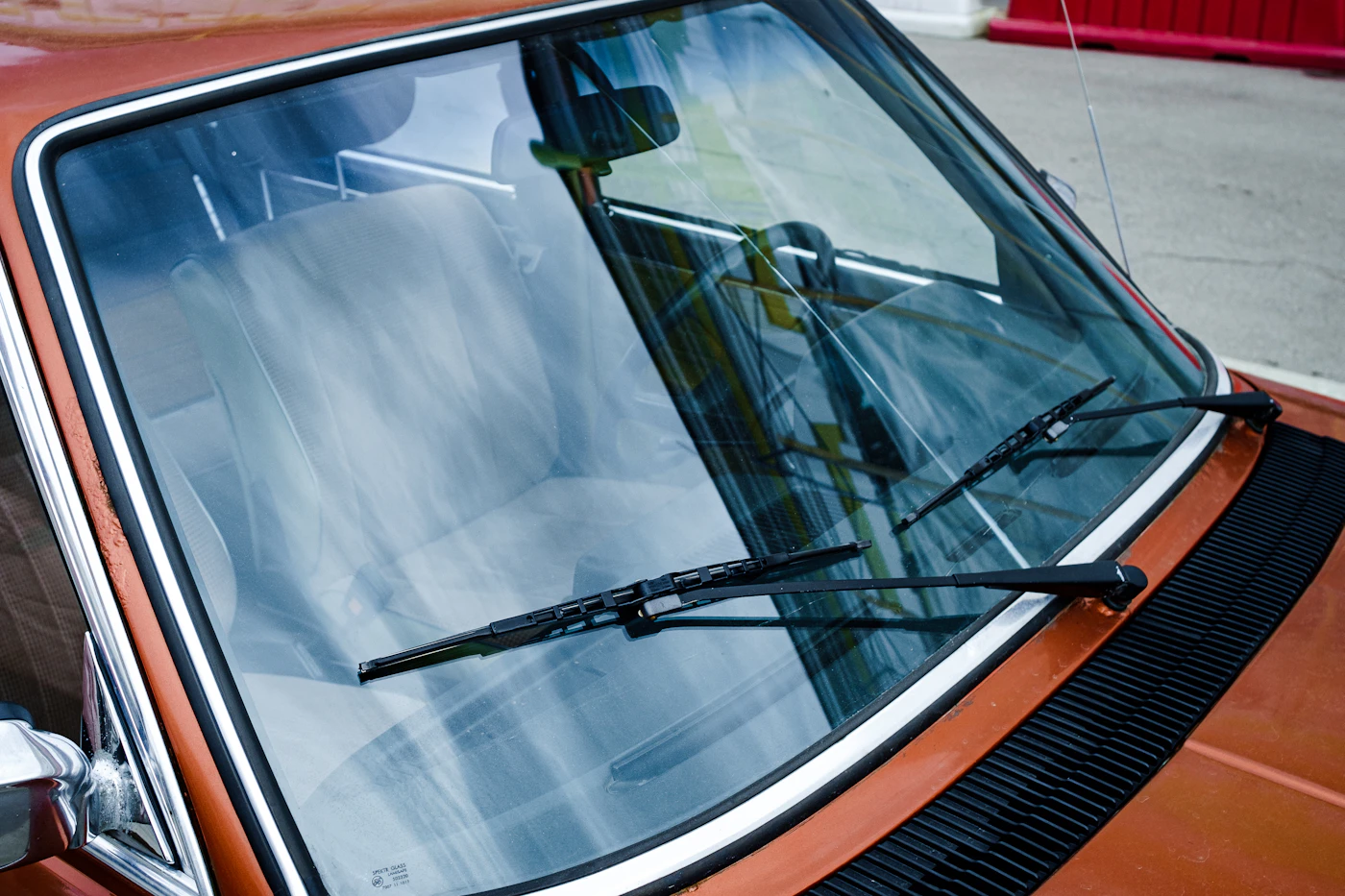
Wipers. Run your finger along the rubber edge. If it feels rough, cracked, or has a hard spot, it’s time for new blades. Replacing them is a straightforward DIY task for most vehicles—just lift the arm, press the release tab, and slide the old one off. If the clip seems stuck or the arm snaps back unexpectedly, stop and let a shop handle it to avoid a bent arm.
Set a reminder to do these checks when the clocks change. It takes about fifteen minutes and no special skills.
When to Call a Professional
Some checks are smart for you to do in the driveway, but others are best left to a shop. A good rule of thumb: if a job involves taking apart something that holds fluid, stops the car, or manages engine timing, it’s time to make an appointment. Brake pad replacement, rotor resurfacing, timing belt service, and any work on the cooling system or airbags fall into this category. Electrical diagnostics also belong here, since tracing a short or a faulty sensor usually takes specialized tools and wiring diagrams.
You should also hand over the keys if you notice a warning light that stays on, a fluid leak that returns after topping off, or a vibration or noise that gets worse with speed. These are signs of a deeper issue, not a quick fix.
To prepare for a shop visit, do a little homework first.
- Write down when the problem started and whether it happens when the engine is cold or warm, at low speed or highway speed.
- Note any recent work you’ve done yourself, like an oil change or new wipers, so the technician has the full picture.
- Check your owner’s manual for the recommended service intervals and bring it along if you’re unsure of what’s due.
- Ask for a written estimate before approving any repair, and confirm whether the shop will call you before doing extra work beyond that estimate.
Keeping a simple log of these observations will make the conversation clearer and help you avoid surprises when the bill comes due.
Keeping the Routine Sustainable
The best maintenance schedule is the one you actually keep. Grand plans that require a full Saturday every month tend to fade by spring. Instead, build a system that fits into the life you already have.
Start by attaching a new habit to an existing one. If you fill up with gas every week or two, use that stop to check your tire pressure and give the under-hood fluids a quick glance. If you park in the same spot each evening, take ten seconds to look for fresh drips on the pavement. These small, regular touches replace the need for a dedicated "car day."
For reminders, keep it simple. A recurring alarm on your phone set for the first of the month works well for fluid checks. For oil changes or tire rotations, you do not need a special app. Just write the date and mileage on a sticky note placed on the sun visor or inside the fuel door. Better yet, use a small notebook kept in the glovebox. When you get the oil changed, jot down the date and the odometer reading. That single line, kept consistently, is your complete history.
Simplify record-keeping wherever you can:
- Keep a single envelope in the glovebox for every paper receipt from service visits.
- Photograph the receipt with your phone and add it to an album labeled "Car."
- Note the next service due date directly on the receipt before you file it away.
Do not overcomplicate the system. A missed month is not a failure. Just pick it back up the next time you are at the pump. The goal is a routine with enough slack that it survives a busy week, not one that adds another source of stress.