Start with a Vet Visit to Rule Out Health Issues
Before you invest time in training aids, calming treats, or new routines, make an appointment with your veterinarian. A dog that seems anxious or disruptive in the car is often responding to physical discomfort, not just a behavioral quirk. Sorting out the difference early can save you weeks of frustration and make the process kinder for your dog.
Nausea is one of the most common culprits. Like some people, dogs can feel motion sick on winding roads or during stop-and-go traffic. The drooling, whining, or pacing you see may be a sign of an upset stomach rather than fear of the vehicle itself. Your vet can help you recognize the subtle signs and talk through options that might ease the queasiness.
Pain is another possibility that is easy to overlook. An aging dog with stiff joints may dread climbing into a tall SUV, while a dog with a back issue might associate the jostling of the car with genuine hurt. If your dog hesitates to jump up or seems tense when placed on a seat, mention that to your vet. An exam can reveal arthritis, ear infections, or other conditions that make travel miserable.
Anxiety can also have a physical component. Some dogs are genuinely distressed by the noise of the engine, the unfamiliar vibrations, or the confinement of a crate. A veterinarian can help you tell the difference between a dog that is feeling sick and one that is having a panic response. They can also recommend a safe path forward, which might include gradual training, medication for severe cases, or simply adjusting how you secure your dog in the car.
In general, if your dog’s car behavior includes heavy panting, excessive drooling, vomiting, or signs of pain, schedule a checkup before trying any behavior program. Once your vet gives the all-clear, you can focus on comfort and calm with confidence.
Assess Your Dog’s Current Car Behavior and Environment
Before you change a single thing about your routine, take a step back and watch your dog during an ordinary trip. The goal is to identify the specific moments that cause stress, not to guess. Start by noting your dog’s body language before you even open the car door. Is the tail tucked or wagging stiffly? Are the ears pinned back, or is the mouth open in a relaxed pant? A tucked tail, lip licking, or sudden yawning often signal discomfort, while a soft, wiggly posture suggests a calmer state.
Next, think about when the trouble begins. Some dogs react to the sight of the garage or the sound of jingling keys, while others only become upset once the engine turns over. Others are fine at a standstill but begin trembling as the car moves. Track the sequence of events on a short, low-stakes drive around the block. You might find that the parking lot is fine, but the freeway entrance is not. This detail matters because it tells you whether the issue is motion, noise, or the anticipation of the trip itself.
Finally, examine the car’s interior as a sensory space. Consider what your dog experiences from their position:
- Visual triggers: Moving objects, fast-passing vehicles, or people walking near the window can cause overstimulation.
- Sound: Wind noise, rattling cargo, or the hum of the road may be amplified depending on where your dog sits.
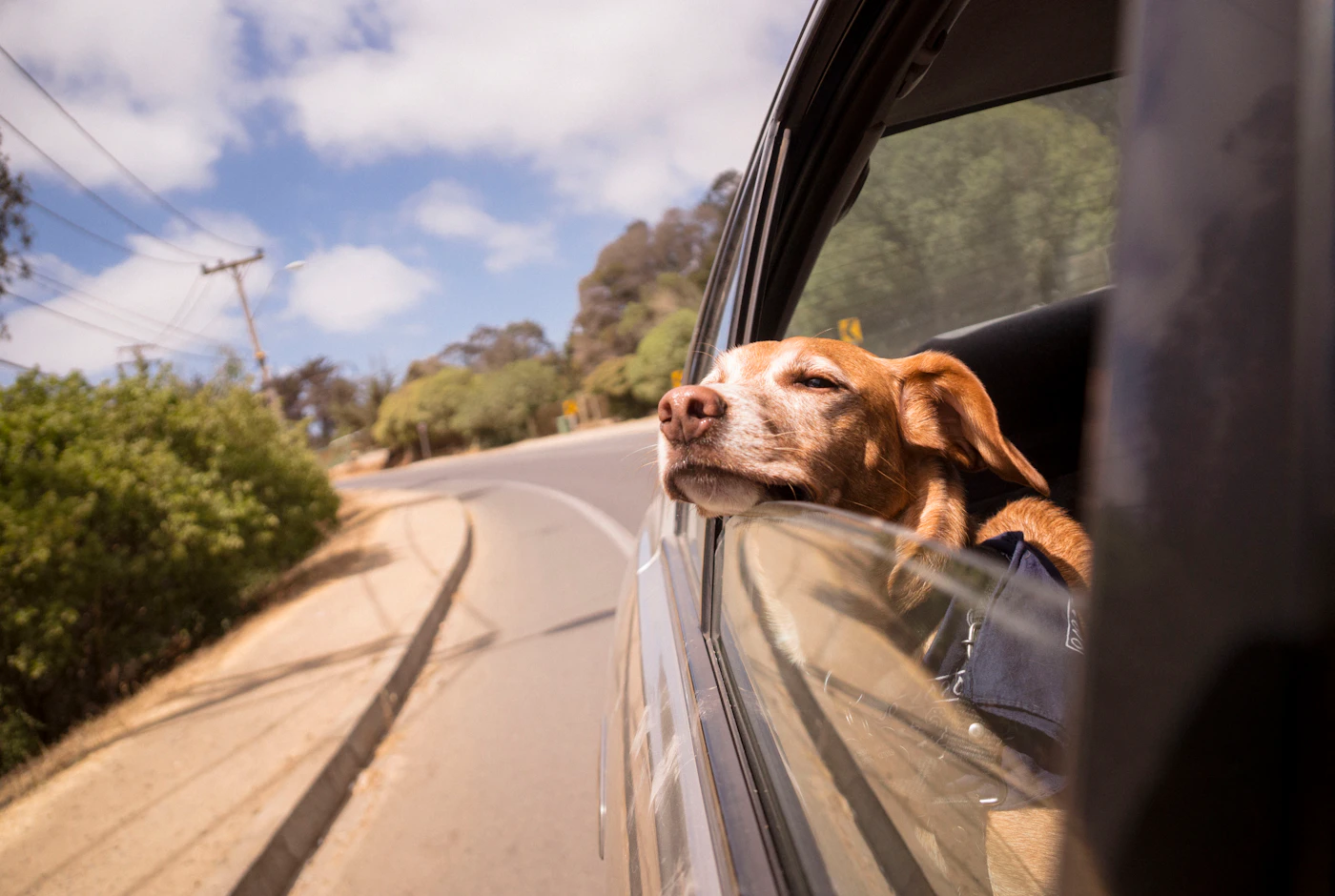
- Temperature and airflow: A stuffy car with no vent aimed at the back seat feels far different from a comfortably cool cabin.
- Stability: A slippery seat or loose footing can make any movement feel unpredictable.
Avoid making changes until you have a clear picture of these triggers. Take notes after each ride, and if your dog’s stress is intense or includes attempts to escape, growling, or vomiting that persists, consult your veterinarian before attempting any behavioral adjustment. They can rule out underlying health issues that simple observation cannot. Your own careful records will make the next steps—whether they involve desensitization, a new restraint, or a vet visit—far more focused and effective.
Ensure Basic Safety and Comfort in the Vehicle
The first step toward a calmer ride is making sure your dog is physically secure. A loose dog in the car is a distraction and, in a sudden stop, can be thrown against seats or passengers. The right restraint depends on your vehicle and your dog’s size, but the goal is always the same: keep them from roaming while allowing them to sit, stand, or lie down in a natural position.
- Look for a crash-tested harness that attaches to the seat belt system. These distribute force more evenly than a collar and prevent neck strain.
- Consider a sturdy travel crate for smaller dogs. A crate should be strapped down and placed in the cargo area or the footwell of the back seat, never in the front seat where an airbag could deploy.
- Avoid clip-on tethers that simply hook to a collar, as they offer little protection and can cause injury in a collision.
Temperature is another quiet but important factor. Even on mild days, the interior of a closed car heats up quickly, and on cold mornings it can stay chilly for a while. Always start the car with the heat or air conditioning adjusted to a comfortable level. If you are moving between errands, do not leave your dog alone in the vehicle for any length of time, especially in warm weather—internal temperatures can rise faster than most people expect.
Finally, make the space feel familiar. Lay down a non-slip mat or a favorite blanket with a scent from home. A soft bed can cushion the ride and help your dog settle. Keep the area free of loose objects, like water bottles or shopping bags, that could slide around and startle them. If your dog seems anxious, try a short five-minute drive around the block first, just to let them reacquaint themselves with the motion and the space. For ongoing fear or signs of motion sickness, speak with your veterinarian before attempting longer trips.
Gradual Desensitization and Counterconditioning
When a dog associates the car with motion sickness, a past scare, or an unfamiliar destination, the vehicle itself can trigger anxiety. Trying to force the issue rarely works. A calmer response comes from changing how your dog feels about the car, not just how they behave in it. Two straightforward training concepts can help: gradual desensitization and counterconditioning.
Desensitization means exposing your dog to the car in very small, manageable steps that stay below their stress threshold. Counterconditioning pairs each of those steps with something pleasant—usually a high-value treat—so the car begins to predict good things instead of discomfort.
You might begin at a distance. Sit with your dog on a lawn chair near the driveway, offering small treats simply for being calm while the car is in sight. No approaching. No opening doors. Just relaxed presence. Over several sessions, you can move a little closer, always watching your dog’s body language. A loose tail, soft eyes, and a willingness to take treats are good signs. Lip licking, yawning, or a tucked tail suggest the step is too big.
- Start with the car parked and engine off; reward calm behavior from a distance.
- Gradually work up to sitting inside with the doors open.
- Practice closing doors, then starting the engine, then short drives around the block—each level only once the previous one feels easy.
Keep sessions short and end them before your dog gets worried. If you notice heavy panting, whining, or a refusal to take food, back up a step. If the anxiety is intense or persistent, a certified trainer or veterinary behaviorist can offer more tailored guidance.
Use Calming Aids and Routines Wisely
Before adding anything new to your dog’s travel experience, take a close look at the environment inside the car. A familiar, well-ventilated space often matters more than the items you bring. Start by placing a favorite blanket or worn t-shirt in the crate or on the seat. The familiar scent can anchor your dog to a sense of home, especially when the world outside the window is rushing past. Keep the temperature comfortable and crack a window slightly for fresh air, as a warm, stuffy car can increase restlessness.
Pheromone sprays or wipes designed for dogs are a common, over-the-counter option. These products aim to release a scent that mimics a calming canine signal. They are simple to apply to the blanket or the car’s interior fabric about fifteen minutes before the trip. For some dogs, they appear to take the edge off; for others, the effect is subtle. It is worth trying, but observe your dog’s reaction honestly—if the first few minutes of the ride remain tense, the spray is not a fix-all.
Routine is another tool you can control. Consider a short, predictable pre-trip sequence: a brief walk to relieve yourself, then a quiet sit in the driveway with the engine off, then a slow drive around the block. Repeating this same order each time helps your dog learn the pattern, reducing surprise. Keep your own voice low and steady during these moments.
- Never leave a dog alone in a parked car, even briefly.
- Use a crash-tested harness or secured crate for safety.
- If you are considering calming supplements, chews, or medications, consult your veterinarian first. These products vary widely, and proper dosing and safety depend on your dog’s health, age, and any current medications.
Know When to Stop and Seek Professional Help
Some signs of car travel stress go beyond a simple dislike of motion. Your safety and the dog’s safety come first, and persistence is not always the answer. If you observe any of the following, stop the current training approach and consult a qualified professional:
- Deep, continuous distress: If your dog pants without stopping, drools heavily, whines constantly, or attempts to escape through a window or door, they are not easing into the ride. These behaviors indicate extreme anxiety rather than mild nervousness.
- Vomiting that does not settle: Occasional motion sickness can be managed with gradual acclimation and veterinary advice. If your dog vomits repeatedly despite your counterconditioning efforts, or if they refuse food or water for hours after a trip, do not keep trying the same routine.
- Showing aggression in the car: Growling, snapping, or stiff body language when approached near the vehicle or while inside it signals fear-based defense. This is not a stubbornness issue. Forcing a dog through these moments increases the risk of a bite and significantly sets back progress.
- Panic that turns to injury risk: A dog that chews through seat belts, claws at windows, or thrashes in a crate is in a state of panic that can cause physical harm. Do not attempt to soothe them while driving.
When these signs appear, move the dog to a safe, quiet indoor space, and make an appointment with your veterinarian first. Medical conditions such as inner ear problems or nausea from illness can mimic behavioral issues. If the vet finds no physical cause, ask for a referral to a certified veterinary behaviorist or a qualified positive-reinforcement trainer who has experience with vehicle-related phobia. Your goal is to make trips tolerable, not to push an animal past its limit. A professional will help you break the cycle with a structured plan, and that help is worth far more than repeating a failed approach.