Start With Your Pet's Daily Rhythms, Not the Sitter Search
Before you open a single booking app or draft a help-wanted message, sit down and write out what a normal day actually looks like for your pet. This is the step most owners skip. They start with the sitter search, then realize halfway through an interview that they are describing their pet in vague terms like "pretty chill" or "likes walks." That does not help anyone make a good decision.
Instead, track your pet for two or three ordinary days. Write down the concrete details you usually handle without thinking:
- Feeding times and portion sizes, plus any food sensitivities or medication schedules.
- Walk lengths and preferred routes, including whether your pet pulls, stops to sniff, or avoids certain streets.
- Play preferences—fetch, tug, puzzle toys, or simply chewing on a specific toy.
- Sleep spots, including which rooms are off-limits and whether your pet uses a crate or a bed.
- Quirks that matter, such as fear of loud noises, reactions to other dogs, or a habit of bolting out the front door.
This baseline serves two purposes. First, it forces you to notice anything unusual that a sitter would not know to watch for. If your pet has started drinking more water or hesitates on stairs, that is worth mentioning to your vet before you leave town—not something to drop on a sitter at the door. Second, it gives you a clear checklist to review with each candidate. A good sitter should ask follow-up questions about these routines, and their answers will show whether they actually listened or just nodded along.
Once you have this written down, you can compare what you need with what each sitter offers. That comparison is far easier when you are looking at a real schedule, not a memory.
The Home Environment Checklist: What Sitters Notice First
Before you focus on food schedules or vet contacts, take a slow walk through your home at pet eye level. Sitters walk in cold, and they will notice what your pet can reach before they notice how tidy the counters are. Your goal is to remove surprises before they happen.
Start at the front door. Are there any gaps under doors, loose window screens, or a gate that doesn’t latch fully? A curious dog or cat can slip out in the first five minutes of a sitter’s arrival if an escape route is obvious. Fix or clearly block those spots now.
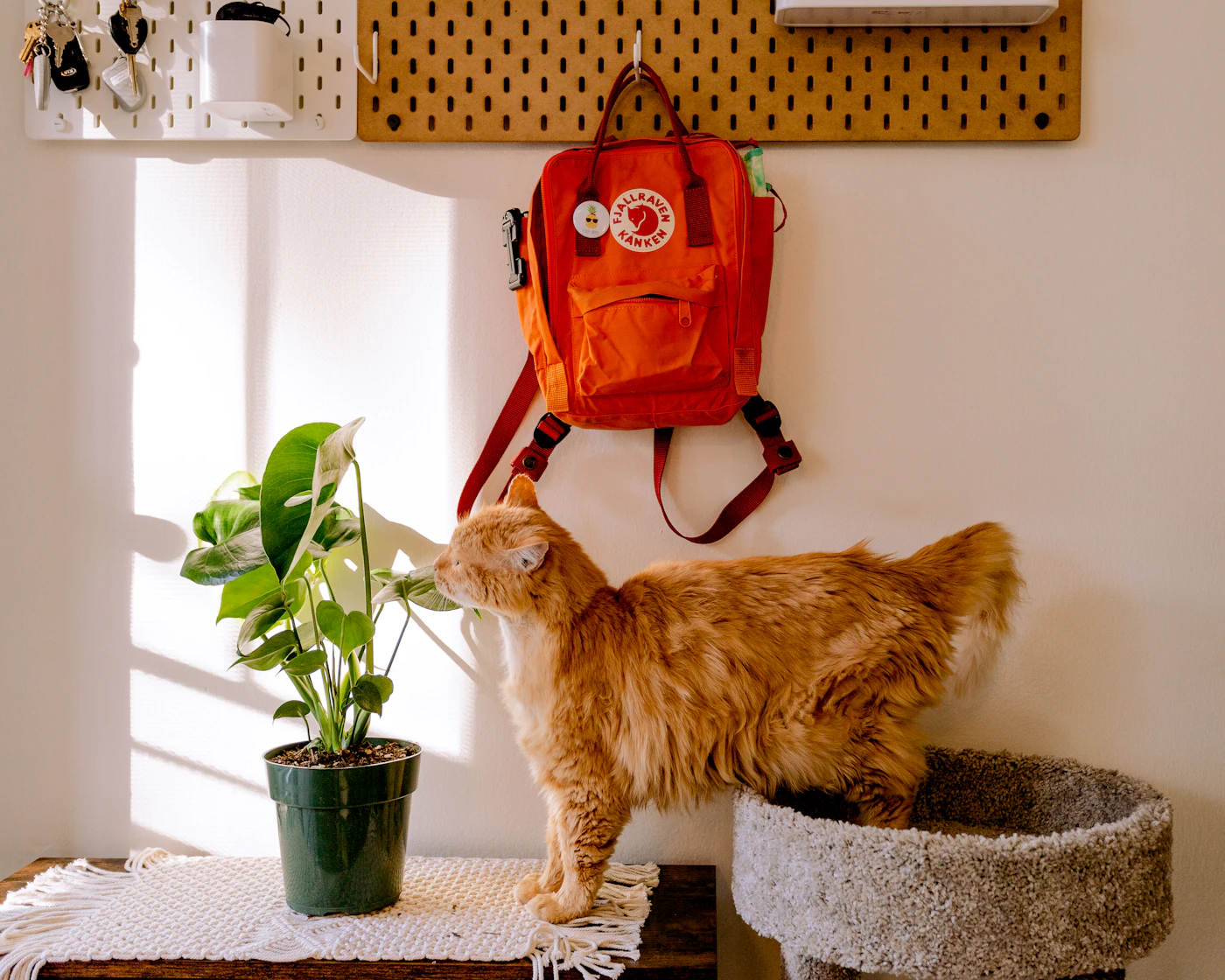
Next, scan every room for plants. Many common houseplants are toxic to pets if chewed, and sitters are not botanists. Move anything questionable to a high shelf or a closed room for the duration of your trip. When in doubt, keep it out of reach.
Check your trash cans. An open kitchen bin is an invitation for a bored pet to dig. Use cans with secure lids, or place bins inside a pantry or cabinet before you leave. The same applies to countertops: clear away food scraps, wrappers, or anything scented.
- Look for fragile items on low tables, shelves, or windowsills that a swishing tail could knock over.
- Secure loose cords, blinds strings, or small objects that could be swallowed.
- Confirm cleaning supplies are in locked cabinets or high shelves—never under the sink with a pet that can paw open doors.
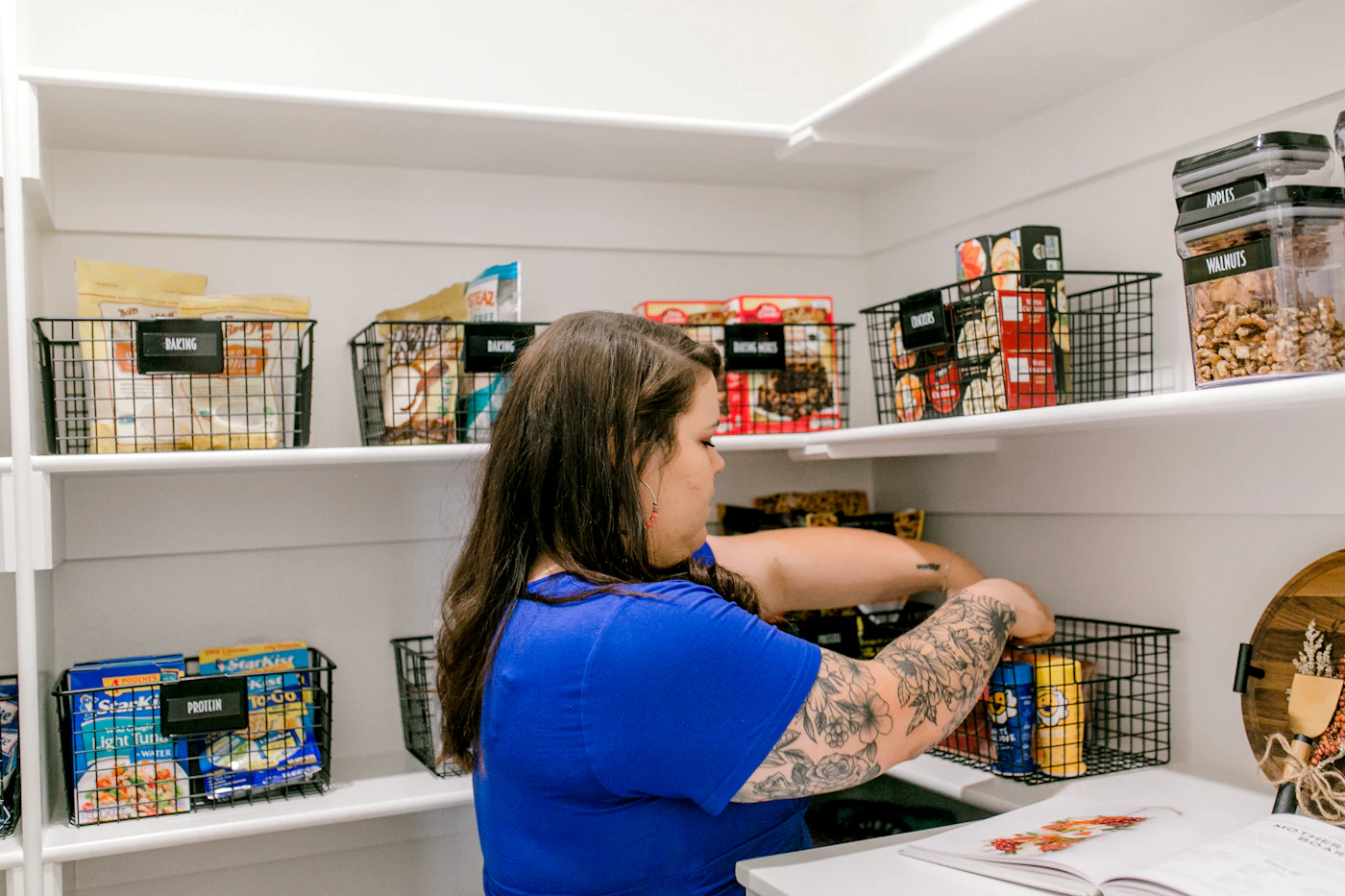
Finally, walk through your storage areas. If the sitter needs to clean up an accident, make sure they can actually reach the supplies without moving your belongings. A clear path to the broom, mop, and pet-safe cleaner reduces stress for everyone involved. These small adjustments make your home feel predictable to a sitter and safer for your pet.
How to Interview a Pet Sitter Without Making It Awkward
The goal of the interview is not to trip anyone up. It is to confirm that your pet will be safe, comfortable, and well cared for in your absence. A straightforward list of questions keeps the conversation focused and makes it clear that you are a responsible owner who expects clear communication in return.
Start with the basics of their schedule and experience. Ask how long they have been sitting professionally and whether they do this full time or as a side job. You also want to know how many clients they typically take on at once, because that affects how much time they can spend with your pet each visit. It is fair to ask about their daily routine for a typical booking, including feeding times, walks, and play.
Next, move to the less comfortable topics: what happens if something goes wrong. A reliable sitter will have a clear answer without hesitation. Ask about their backup plan if they become ill or have a family emergency mid-booking. You also want to know how they handle a pet that stops eating, seems lethargic, or has an accident indoors. Their answer should include a plan to contact you and your veterinarian, not just a vague “I will handle it.”
Finally, confirm they can meet your pet’s specific needs. If your dog pulls on the leash, ask how they manage strong dogs. If your cat needs daily medication, ask if they are comfortable giving it and how they would do so. Always request at least one reference from a current client, and do not skip calling them.
Keep the tone polite and respectful. You are not interrogating them; you are gathering information that any thoughtful pet owner would want before handing over a key.
The Handover Document: What to Write Down (and What to Skip)
A verbal rundown is helpful, but a written reference will save your sitter from guessing. The goal is not a novel; it is a single, clear page they can glance at quickly. Start with the essentials that affect your pet’s health and safety.
At the top of the page, list your pet’s basic care schedule: feeding times, portion sizes, and any specific food storage or preparation steps. If your pet takes medication, write the name, dose, and exactly when and how to give it. Note whether the pill needs to be hidden in food, given directly, or administered with a syringe.
Next, include the practical contact information. Your vet’s phone number and address are obvious, but also add the nearest 24-hour emergency animal hospital. Write down your own cell number, a backup contact, and one trusted neighbor who has a key. If your pet is microchipped, include the chip number and the registry’s phone number in case the sitter needs to report a lost pet.
Finally, record your pet’s routine and quirks that affect daily life. Jot down typical walk times, bathroom habits, favorite sleeping spots, and any behaviors that are normal for your pet but might alarm a stranger, such as occasional barking at shadows or hiding during storms.
- Keep it to one page—front and back is acceptable, but no folders of paperwork.
- Use bullet points for feeding and medication schedules rather than paragraphs.
- Avoid writing down every training rule or command; focus on what keeps the day moving safely.
- Skip topics like grooming preferences or treat names that are nice-to-know but not essential.
If your pet has a medical condition, do not attempt to summarize treatment yourself. Instead, provide a printout from your vet that explains the condition and required care. When health or safety questions arise, the sitter should call you or the vet rather than improvise. Your written note should make their job easier, not turn them into a medical professional.
Build a Trial Visit Into Your Preparation Plan
Choosing a sitter from a profile or a phone call only tells you so much. The real test happens in your own home, with your pet present. Before you commit to a booking, arrange a short visit while you are still there. This is not an interview; it is a working session where you can see how the two of them actually get along.
During this visit, let your sitter handle the basics: filling a water bowl, offering a treat, or leashing your dog for a quick walk around the block. Watch how your pet responds. Some animals warm up in minutes, while others need repeated, calm exposure before they feel comfortable. That is normal, so give them space to approach on their own terms.
A trial visit also gives you a chance to correct small misunderstandings before they become problems. You might notice the sitter uses a different hand signal for “sit,” or does not realize your cat hides under the bed when the doorbell rings. Point these things out politely. Most sitters appreciate the guidance, and your pet benefits from a clearer routine.
Use the time to walk through the house together and confirm what is off-limits. Show them where you keep cleaning supplies, how the latch on the back gate works, and which rooms your pet is allowed in. This is also a good moment to leave written instructions for the actual booking, so nothing is forgotten later.
- Keep the first trial visit short, around 20 to 30 minutes.
- Let your pet approach the sitter first; do not force interaction.
- Observe your sitter’s body language and how they respond to your pet’s signals.
- Discuss any special routines your pet relies on, like meal times or medication.
If the visit goes well, you will leave with more confidence. If it does not feel right, trust that reaction and keep looking. A few extra days of planning is worth the peace of mind while you are away.
Last-Minute Checks Before You Walk Out the Door
The moment before you grab your keys is the best time to do a quick mental sweep. Most issues with a new pet sitter are not about big mishaps; they are about small oversights that are easy to fix in thirty seconds.
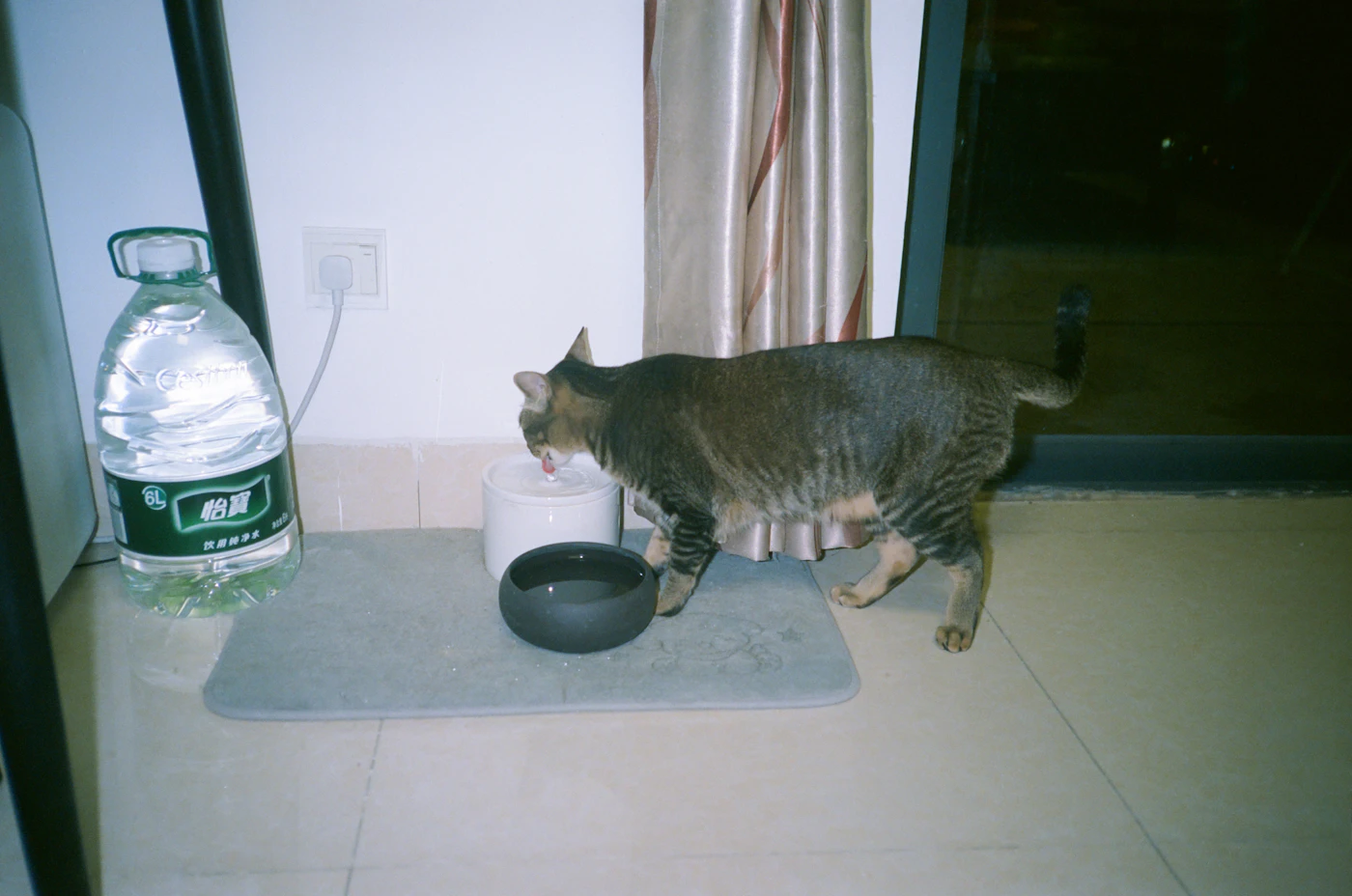
Start with the basics—food and water. Even if you filled the bowls this morning, do a visual check right before you leave. Tip out any stale water and refill it. Scrape out the remnants of a previous meal so your pet is not eating from a dirty dish while you are gone. Next, look at the litter box or the yard access. A fresh box does not mean a spotless one; scoop it one last time so your pet does not have to deal with leftover waste, and confirm the sitter knows exactly where the supplies are kept.
Walk the route your pet uses inside the home. Are interior gates latched? Are crate doors secured so they cannot swing shut and startle an anxious animal? Make sure any cleaning products or small items that could be swallowed are out of reach in rooms your pet can access.
Finally, confirm the details are visible:
- Post your phone number and the sitter’s number on the fridge or near the door.
- Leave a spare key with a trusted neighbor, and tell the sitter where it is.
- Verify the sitter knows your return time and any medication schedule.
If the sitter has a question while you are on the road, they should have a practical way to reach you. A quick final walk-through prevents the most common mistakes, so you can leave with less worry.