Why a Dedicated Feeding Area Matters
Cats are creatures of habit, and a fixed feeding spot does more than keep the floor clean. When your cat knows exactly where to find food and water, mealtime becomes a calm, predictable part of the day. This consistency reduces your cat’s need to patrol the kitchen or follow you around waiting for signs of food. A dedicated area also gives your cat a secure place to eat without feeling watched or rushed.
In multi-cat households, a separate, designated spot for each cat can prevent competition and tension. Even if your cats get along, having their own space—even just a few feet apart—lets them eat at their own pace. For shy cats, a quiet corner with a clear view of the room’s entrances offers a sense of safety while they eat.
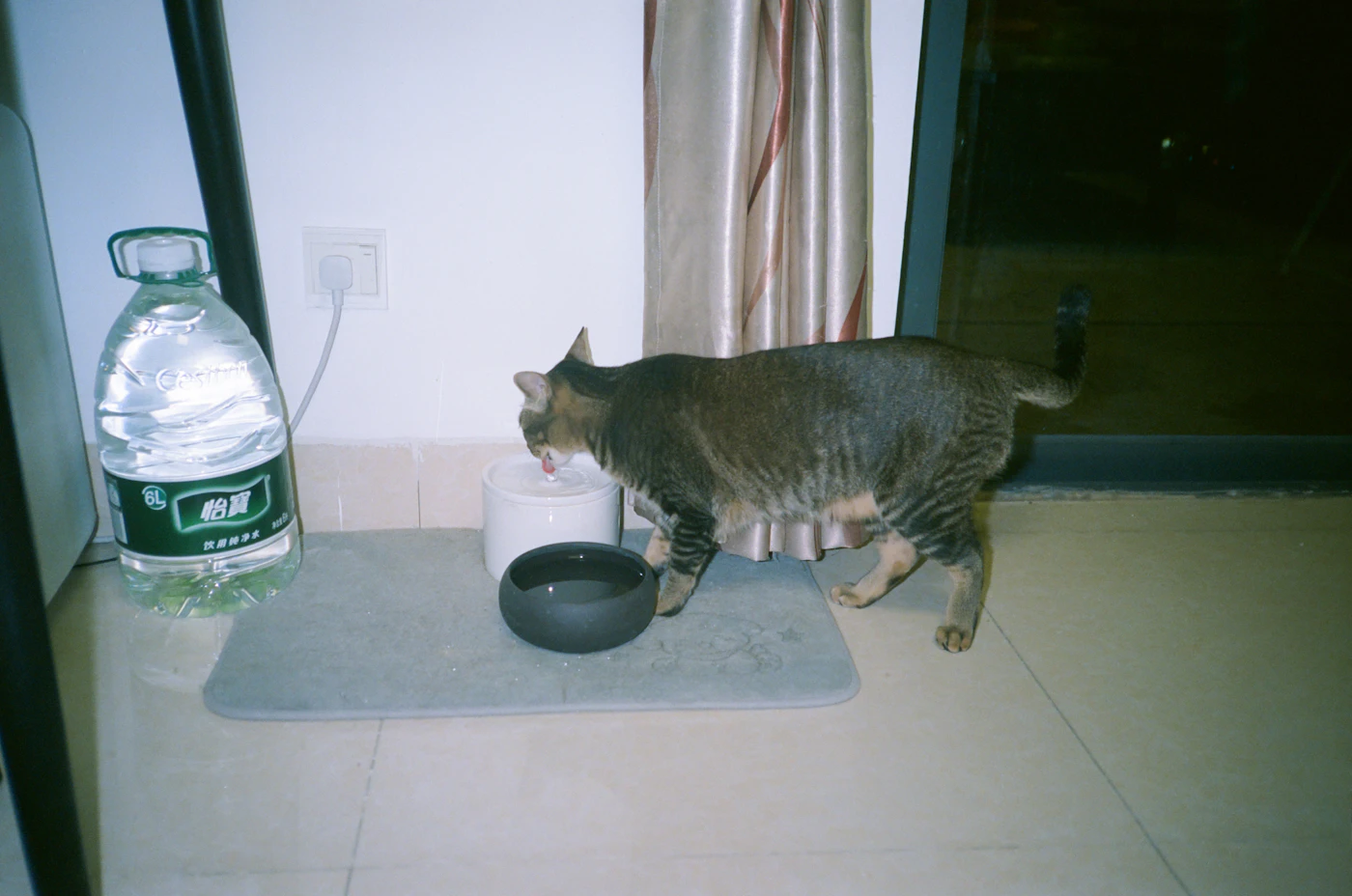
From a practical standpoint, confining food and water to one area makes daily cleanup easier. You’ll know exactly where to sweep up crumbs, wipe down sticky spots, or refill the water bowl. It also protects other parts of the house from spills and stray kibble.
- Choose a spot away from litter boxes and noisy appliances.
- Keep food and water bowls separated by a few feet; many cats prefer them not side by side.
- Use a mat under bowls to catch drips and crunch spills.
- Keep the area accessible but out of high-traffic walkways.
If your cat suddenly refuses to eat in its usual spot, do not assume it is being finicky. A change in appetite or eating habits can signal a health problem, so it is wise to consult your veterinarian if the behavior lasts more than a day or two.
Choosing the Right Spot in Your Home
Before you place bowls down, take a look at how your home actually flows during a normal day. The goal is a spot that feels calm and predictable for your cat, not one that simply fills an empty corner. Watch where your cat already likes to nap or hang out. That is often a better starting point than trying to force a new routine somewhere else.
Consider these factors when picking a location:
- Foot traffic. Avoid hallways, doorways, or the direct path between the couch and the kitchen. Cats prefer to eat without people stepping over them or brushing past while they are mid-bite.
- Noise and activity. Skip areas right next to washing machines, loud appliances, or the main TV speakers. A quiet, low-traffic corner is usually more appealing.
- Separation from litter box and water. Keep the feeding area well away from the litter box. Cats naturally avoid eating where they eliminate, and a nearby bathroom area can cause a cat to eat less or rush through meals.
- Water placement. Put water bowls in a separate spot from the food, even if it is just a few feet away. Some cats prefer their drinking water not to be near strong-smelling food, and this also prevents food crumbs from drifting into the water.
Also think about the floor surface. A hard floor is easier to wipe down than a rug that will trap crumbs and odors. If you must place bowls on carpet, use a washable mat or tray underneath. Finally, make sure the spot is safe from other pets and small children who might move the bowls or interrupt your cat while it eats.
Selecting Bowls and Mats That Work
Bowls are one of those items where a little thought goes a long way. You do not need anything fancy, but the material and shape will affect how easy the area is to clean and how comfortable your cat feels at mealtime.
Start with the material. Stainless steel is a solid, everyday choice because it does not absorb odors and is easy to wash. Ceramic is another good option, provided it has a non-skid base or sits on a mat; just check that the glaze is intact with no chips. Plastic bowls are inexpensive, but they can develop scratches that trap grime and hold onto smells, so they tend to need replacing more often.
Size and depth matter more than you might expect. A shallow, wide bowl is generally better for most cats, as it lets them eat without brushing their whiskers against the sides. This is often called whisker fatigue—some cats are simply bothered by constant contact while they eat. Look for a bowl that is wider at the bottom than the rim so the food settles in a low, accessible mound.
- Depth: Choose a bowl that is noticeably wider than deep. This reduces whisker bumping and makes the last bits of food easier to reach.
- Material check: Run your fingernail across the surface. If it catches, the bowl is likely too rough for daily use.
Finally, a non-slip mat underneath does two jobs. It keeps the bowl from sliding across the floor, which many cats find annoying, and it catches spills and stray kibble. A simple silicone or rubber mat with a raised lip works well. Just make sure it lies flat and is easy to wipe down or toss in the sink. A mat that curls at the edges becomes a tripping hazard and a place for crumbs to hide.
Managing Food Storage and Freshness
How you store cat food matters as much as where you set the bowl. Dry kibble and wet food have different needs, and a little thought about each will save you money and keep your cat’s meals appetizing.
For dry food, the main enemies are air, light, heat, and moisture. Keep the bag rolled tightly closed, or transfer the kibble to a clean, airtight container with a snug lid. A dedicated plastic or metal bin works well. Leave the kibble in its original bag inside the container if you prefer—that helps preserve the manufacturer’s freshness seal and lists the lot number if you ever need it. Store the container in a cool, dry spot, away from direct sunlight and the warmth of an oven or radiator. Avoid keeping it in the garage, where temperature swings can cause condensation.
Wet food is more perishable. Once you open a can or pouch, cover it with a tight lid or plastic wrap and refrigerate it promptly. Most cats prefer wet food brought back to room temperature before serving, so take out the portion a short while before mealtime. Any uneaten wet food left in the bowl should be discarded after a reasonable time—usually within a few hours—to prevent bacterial growth.
Pests are rarely a problem if you stay disciplined:
- Wipe up crumbs and spills around the feeding area regularly.
- Keep the storage container off the floor on a shelf or counter.
- Do not leave open bags or cans exposed overnight.
- Check the feeding area occasionally for ants, pantry moths, or rodents, especially in warmer months.
If you notice an unusual smell, mold, or insects in any food, throw it out. When in doubt about whether something is still fresh, err on the side of caution and start a fresh batch.
Establishing a Feeding Routine
Cats do best when their day has a predictable shape. A set feeding schedule—rather than a bowl that stays full all day—helps you notice changes in appetite early, which can be useful information for your veterinarian. It also gives your cat a sense of security, since they learn when to expect their next meal.
Portion control is simpler when meals happen at specific times. Most cat food packaging offers a recommended daily amount, but that is only a starting point. Your cat’s ideal portion depends on age, activity level, and body condition. A good habit is to measure the daily total, divide it into two or three meals, and adjust based on whether your cat is maintaining a healthy weight. Your veterinarian can help you set a reasonable target.
If you are changing from free-feeding to scheduled meals, do it gradually. Sudden changes can cause stress or digestive upset. A slow transition might look like this:
- Start by leaving food out for a set window, such as one hour, then removing the bowl.
- Over a week or two, shorten that window until you are offering two or three meals at consistent times.
- Keep the same feeding times daily, even on weekends, to reinforce the routine.
During the transition, watch for signs of anxiety, such as excessive meowing or hiding. If your cat is not finishing meals after a few weeks, slow down the process. For households with multiple cats, you may need to feed in separate areas so each cat eats at their own pace. A patient, steady approach builds good habits without turning mealtime into a struggle.
Everyday Cleaning and Safety Checks
Once the feeding area is set up, most of the work is routine. A quick daily and weekly habit keeps things tidy and helps you notice small problems before they turn into bigger ones.
Start with the bowls. Wash food and water dishes every day with hot, soapy water, then rinse them well. Residual food film can harbor bacteria that you cannot see, and a clean bowl also makes the area less attractive to ants or other pests. Dry the bowls before refilling so standing water does not sit in the bottom.
Look around the feeding spot each day for spills and crumbs. Wipe up wet spots promptly, especially if the floor is tile or wood, to avoid slick surfaces or staining. Check the floor for stray kibble that might attract insects, and sweep or vacuum the immediate area a couple of times a week.
- Inspect the bowls for cracks, chips, or rough edges. Damaged ceramic or plastic can harbor bacteria and may irritate your cat’s chin.
- Check the mat or tray under the bowls. If it is worn, curling, or difficult to clean, replace it.
- Look for signs of mold or discoloration around the base of the bowls or on the mat itself.
You should also watch for wear near the feeding station itself. If the bowls sit against a wall, glance for scuffs or dampness that could indicate a slow leak from a water fountain or a spill that was missed.
If you notice your cat avoiding the food area, scratching at the floor near the bowls, or showing signs of discomfort while eating, do not assume it is a behavioral quirk. A checkup with your veterinarian is the right step to rule out dental, digestive, or other health issues. Similarly, if you see peeling paint, exposed wiring, or a structural problem near the feeding station, address it before your cat is hurt, and call a professional for repairs beyond a simple DIY fix. Your daily observations are the best tool for keeping the space safe.