Start with the Basics: Why Boredom Happens
Before you buy another toy or try a new trick, take a step back and consider what your dog is actually missing. Indoor restlessness rarely comes from a single cause. More often, it is the result of a routine that simply does not line up with your dog’s natural energy level or breed tendencies. A dog bred to work or hunt will not be satisfied by a short walk around the block, just as a senior companion may find a long hike more tiring than fun.
Two factors drive most indoor pacing, whining, or attention-seeking behavior:
- Lack of physical movement. A dog that has not burned off daily energy will often redirect that buildup toward chewing, barking, or following you from room to room. Physical release does not mean exhaustive exercise for every dog; it means the right duration and intensity for that individual animal.
- Lack of mental engagement. Even a physically tired dog can become bored. Sniffing, problem-solving, and using their nose are tiring in a different way. Without mental work, the same four walls become monotonous, and your dog may invent their own entertainment—which is rarely the kind you want.
Set realistic expectations before you change anything. No indoor setup can fully replace outdoor time or human interaction. Your goal is not to exhaust your dog into stillness, but to build a daily rhythm that includes clear periods of activity, quiet, and rest. If your dog continues to seem distressed despite consistent changes, talk to your veterinarian. Boredom is common, but persistent pacing or destructive behavior can also point to something needing professional attention. Start with the environment, watch what shifts, and adjust from there.
Simple Environmental Tweaks that Make a Difference
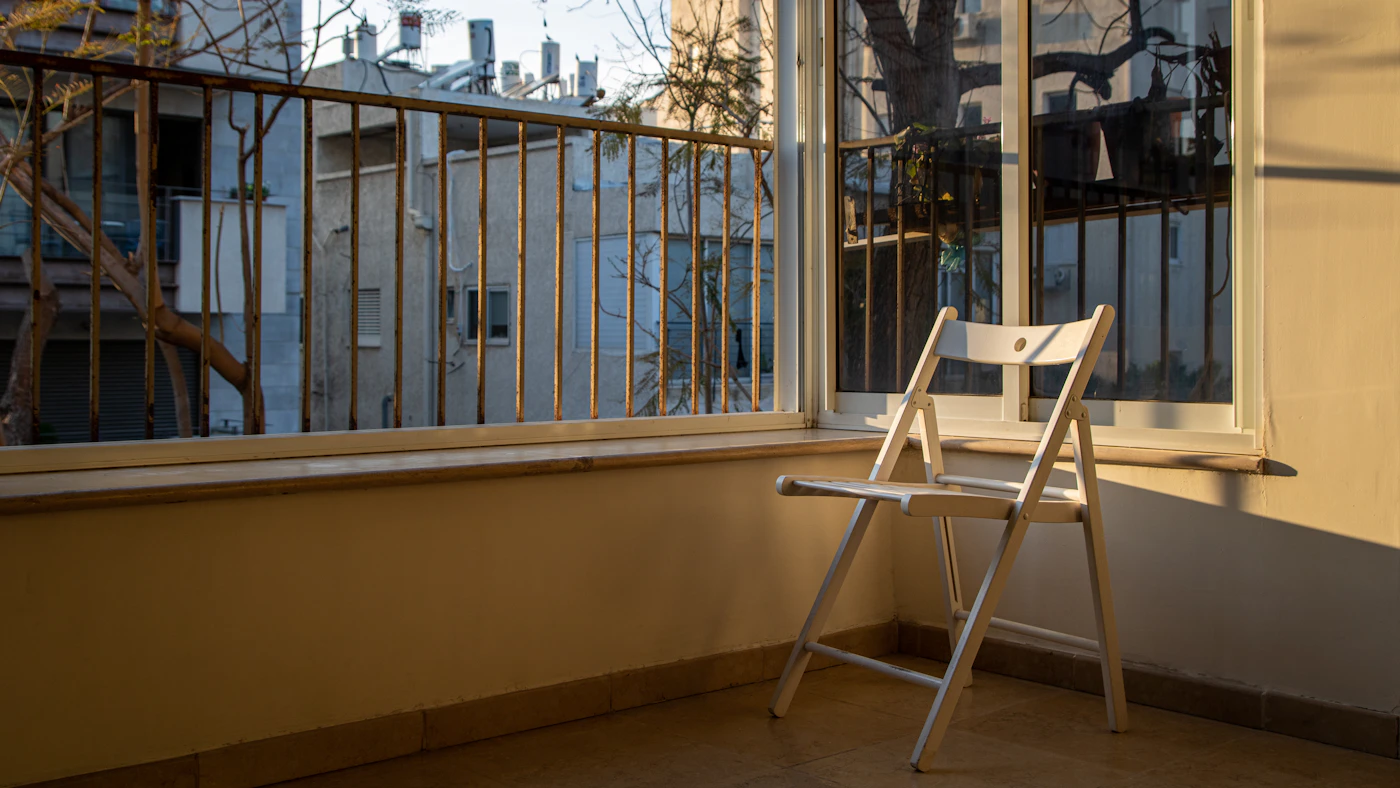
Before you invest in another gadget or puzzle, look at the space your dog already has. Boredom often comes from a static environment, not a lack of toys. The cheapest fix is usually access to a window. A clear view of the street, a walking path, or even a busy bird feeder provides low-level, ongoing stimulation that you do not have to manage. Just make sure the sill is safe and the window is secure so your dog cannot push through a screen.
Next, rethink the toy bowl. Leaving everything out at once loses its appeal quickly. Instead, rotate a small selection every few days. What was ignored on Tuesday feels new again by Friday. Keep two or three bins and swap them, rather than buying more.
Safe chew variety is just as important as play toys. Dogs often chew out of stress or monotony, and a single texture gets dull. Offer a mix of hard and softer chews, but always supervise the first use of anything new. If you are not home, limit access to items that are proven durable for your specific dog.
- Rotate toys weekly to refresh interest without new purchases.
- Use puzzle feeders for meals instead of a bowl to add mental work.
- Set up a "sniff station" with a few treats hidden in a towel or box for supervised exploration.
These tweaks do not replace walks or training, but they reduce the need for constant supervision. If you notice obsessive pacing, destructiveness that does not respond to rotation, or a sudden drop in interest in food or play, that is a health or behavior concern. Have a veterinarian or a certified trainer look into it rather than trying more environmental fixes on your own.
DIY Puzzle Toys and Snuffle Mats (Without the Expense)
Before you buy another treat-dispensing gadget from the store, look around your kitchen and laundry room. The most effective indoor enrichment often uses items you already own, and it takes less than ten minutes to set up. The goal is simple: make your dog work a little for their food or kibble, which taps into natural foraging instincts and burns mental energy far faster than a walk.
Start with a standard muffin tin. Drop a few pieces of kibble or a small treat into several of the cups, then cover each one with a tennis ball or a crumbled paper cupcake liner. Your dog has to nose or paw the covering off to get the reward. For a flatter challenge, scatter kibble across a large tray and hide it under a few rolled-up hand towels. This is a safe, low-risk version of a snuffle mat using materials you can toss in the wash.
Cardboard boxes also work well for supervised play. Place a small box inside a larger one, add some crumpled packing paper, and hide a few treats throughout. Tear off any tape or labels first. Always watch your dog with cardboard and paper; if they start shredding and swallowing large pieces, end the session and remove the materials.
- Safety first: Use only items that are too large to swallow and avoid anything with glue, staples, or small plastic parts.
- Keep it short: Ten to fifteen minutes of puzzle time is plenty. Stop while your dog is still interested.
- Washable materials: Towels and fabric mats should be cleaned regularly to prevent odor buildup.
If your dog shows signs of frustration, like excessive drooling or whining, simplify the puzzle. If they lose interest completely, you can increase difficulty next time. For any dog that aggressively chews or tries to eat non-food items, skip these homemade options and consult your veterinarian for safer alternatives suited to your dog's habits.
Turn Everyday Routines into Mini Training Sessions
You don’t need a dedicated block of time to reinforce good behavior. The most effective training often happens in the moments you already have. By attaching simple cues to your daily routine, you give your dog a job to do without making it feel like work.
Start with meals. Before you set the bowl down, ask for a simple “sit” or “down.” Hold the bowl at your side and wait for the behavior. The moment you see it—even a partial effort—mark it with a calm “yes” and place the bowl down. This teaches patience and impulse control, and it costs you nothing extra. Over time, you can ask your dog to hold the position for a few seconds longer before releasing them with a word like “okay.”
Greetings are another easy opportunity. When you come home, avoid making a big fuss until your dog is calm. Wait for all four paws on the floor and a quiet moment before you offer attention. This reinforces the idea that calm behavior earns rewards, while jumping or excited barking gets none. Consistency matters here; even one enthusiastic greeting can undo a week of practice.
Other small moments can be turned into quick games:
- Waiting at doors: Ask your dog to sit before you open the door, then release them to go through.
- Treat toss: While you’re waiting for coffee, toss a few kibble pieces one at a time, asking your dog to “find it” or “leave it.”
- Household check-ins: Randomly call your dog to you, give a treat, and let them go back to what they were doing.
These exercises are short, safe, and easy to keep consistent. They don’t replace formal training, but they build a reliable foundation using habits you already have. If you notice your dog becomes frustrated or confused, simplify the cue and end on a success.
Physical Play Indoors: Safe Games for Tight Spaces
When outdoor walks are impractical, a tired dog is still a happy dog. You just have to adjust the game to the square footage. The goal here is controlled movement, not a full sprint through the living room. Start a session with a clear path: move coffee tables, secure rugs with non-slip pads, and close doors to rooms where you don’t want paws or tails.
Classic hide-and-seek works well in most homes. Have your dog wait in a down-stay, then go to another room and call them. Keep the hiding spots easy at first—around a corner or behind a chair. As they get the hang of it, you can make the search more interesting. This game exercises their nose and their mind, which is often more tiring than physical running.
Gentle tug is another reliable option, but only with a durable rope toy and clear rules. Keep the motion low and horizontal, not swinging up and down. If your dog’s back teeth touch your hand, that’s a signal to end the round. A quick “drop it” and a short pause resets the game. Never drag a dog by the neck or twist the toy forcefully—that invites injury.
For smaller spaces, consider simple targeting games:
- Teach a “nose target” to a sticky note on the wall, then move it around for a mini obstacle course.
- Set up a low tunnel using chairs and a blanket, if your dog is comfortable with enclosed spaces.
- Use a flirt pole in a large, clear area, but keep the toy low and stop before your dog is panting heavily.
Know when to stop. Watch for these signs that your dog needs a break: excessive panting, lying down mid-game, a stiff body posture, or a sudden loss of interest. End on a calm note with a chew or a quiet settle. If your dog seems sore, limps, or shows any sign of pain during indoor play, stop immediately and consult your veterinarian.
When to Call a Professional: Recognizing Deeper Issues
A dog that is suddenly destructive or withdrawn is not being stubborn; that is a signal. While many indoor behavior problems stem from insufficient exercise or mental stimulation, some do not resolve with a longer walk or a new puzzle toy. Before you attempt to self-correct a pattern, consider whether the behavior is rooted in discomfort rather than boredom.
Watch for changes that are out of character. A dog that has lost interest in food, avoids being touched, or paces without settling is not simply acting out. Similarly, if house-training regresses after months of reliability, or if your dog begins growling or snapping when approached, these may indicate pain, anxiety, or a medical condition that no amount of play will fix.
You can safely check your environment first. Confirm that the dog has a quiet place to retreat, that the indoor temperature is comfortable, and that there are no obvious stressors like excessive noise or a new pet. Keep a short log of when the behavior happens and what preceded it. This information is useful for your veterinarian, but it is not a substitute for an examination.
- Veterinarian first: If you notice limping, excessive panting, sudden aggression, or a loss of appetite, schedule an appointment before addressing training.
- Certified trainer or veterinary behaviorist: If the vet finds no physical cause, seek professional help for persistent anxiety, compulsive pacing, or destructive chewing that continues despite changes in routine.
Do not attempt to punish away a problem that might be pain related. Trying to fix the dog’s behavior without knowing the cause risks making it worse. When in doubt, a professional evaluation is the practical path, not a failure on your part.