Why Water Bowl Hygiene Matters More in Small Spaces
When your home has limited square footage, your pet’s water bowl often shares space with food dishes, litter boxes, and foot traffic. That tight setup makes hygiene a bigger job than it might be in a larger house. In a compact area, dust, hair, and tracked-in debris settle into the water quicker. The bowl also sits closer to surfaces you touch daily, so spills and splashes spread more easily.
Consistent cleaning is the simplest way to manage this. A bowl that is rinsed but not scrubbed can develop a slippery film, which is a sign of bacterial growth. This film forms faster in warm, small rooms with less air movement. Rinsing alone will not remove it. You need to wash the bowl with hot, soapy water every day or two, then dry it with a clean towel. Letting it air-dry upside down on a dish rack works, but only if the rack itself is clean and out of reach of pets.
Keep these habits in mind for compact homes:
- Place the bowl on a washable tray or mat to catch drips, reducing floor grime that migrates back into the water.
- Use a separate sponge or brush just for pet dishes; kitchen sponges carry residues from human food.
- Check the bowl by touch, not just sight. If the surface feels slick after rinsing, it needs a full wash.
If you notice your pet drinking less or showing signs of stomach upset, a dirty bowl can be a factor. Clean it thoroughly first, but do not hesitate to contact your veterinarian if the issue continues. Routine care is safe for you to handle, but persistent health symptoms are not something to guess about at home.
Choosing the Right Bowl for Tight Quarters
When floor space is limited, the shape and material of a water bowl matter more than you might expect. A bowl that tips easily or collects grime quickly will create extra work, so it helps to choose one that fits both your space and your routine.
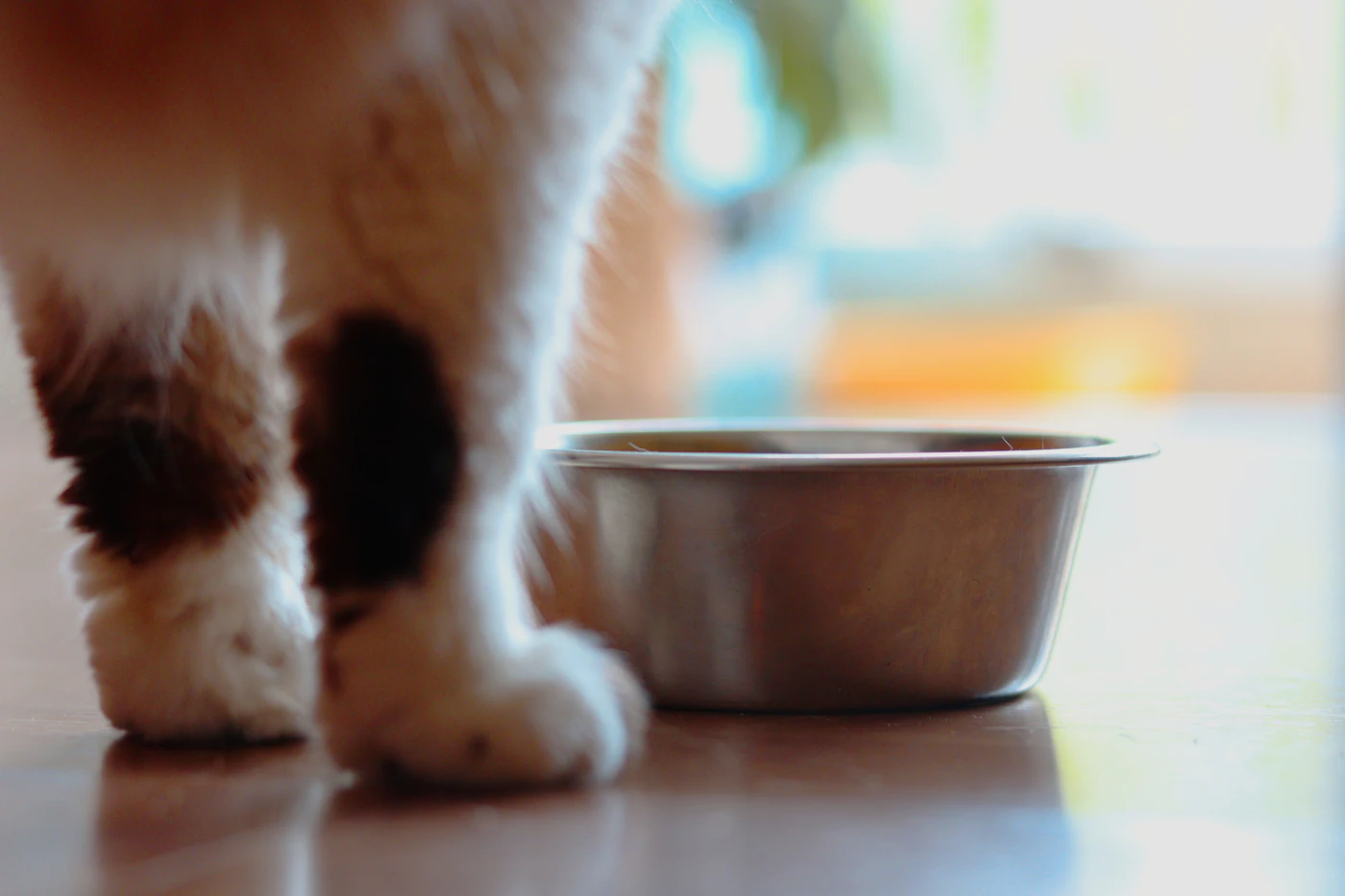
Stainless steel is a practical choice for most households. It does not absorb odors, rinses clean without lingering film, and holds up well to regular washing. Ceramic bowls are another solid option, especially heavier styles that are less likely to slide across the floor. Avoid porous materials that can trap residue and require more scrubbing than is convenient.
Size also plays a role. A bowl that is too large may not fit under a cabinet or beside a wall, while one that is too small means refilling several times a day. Look for a capacity that matches your pet’s water intake without forcing you to squeeze it into an awkward spot. A low, wide base is often more stable than a tall, narrow one.
- Consider a bowl with a rubber or silicone base to reduce sliding on smooth floors.
- Choose a design with smooth, rounded corners; crevices make cleaning harder.
- If you place the bowl in a corner, measure the available area before purchasing.
For everyday upkeep, rinse and wipe the bowl daily, and wash it fully with mild dish soap a few times each week. If you notice slime or buildup despite regular cleaning, switching to a simpler shape or a different material may reduce the problem. When a bowl seems difficult to keep clean or your pet avoids drinking, it is worth consulting a veterinarian to rule out other issues. A bowl that is easy to manage will feel less like a chore and more like a small part of your daily routine.
Smart Placement: Keeping Water Accessible and Mess-Free
Where you put the water bowl matters as much as how often you clean it. A bowl placed in a high-traffic hallway or directly in front of a doorway invites accidental kicks and spills, especially when pets are excited or moving quickly. Choose a spot that is out of the main flow of movement but still easy for your pet to find and reach without feeling cornered.
A corner of the kitchen or a quiet section of the mudroom often works well. Keeping the bowl off the direct path between rooms reduces the chance of it being knocked over. If your pet tends to splash while drinking, place the bowl on a washable mat or a low tray with raised edges. This contains drips and makes wiping up much faster. Avoid placing the bowl near electrical cords, heating vents, or area rugs that absorb moisture and are difficult to dry.
- Raise it slightly if your pet is older or large. A short, stable stand can reduce strain, but make sure the bowl itself stays firmly seated and does not slide.
- Separate from food if your pet is a messy eater. Moving the water bowl a few feet away from the food dish keeps kibble crumbs out of the water and makes both areas easier to clean.
- Consider a second station in another room, not for convenience alone but to reduce the chance of one spill causing a complete loss of water access for the day.
When space is tight, look for a bowl that fits snugly into a corner or against a wall, and check that its base is wider than its top. A heavier ceramic or stainless steel option resists tipping more than a lightweight plastic one. For cleaning, pick a spot that allows you to wipe the floor underneath regularly without moving furniture. The goal is simple: position the bowl so it works for your pet’s routine, not against your floor’s well-being.
Daily Habits That Prevent Slime and Bacteria
In a compact home, a water bowl can quickly become a breeding ground for biofilm—that slippery film you feel on the inside surface. While a full deep-cleaning session happens weekly, a few daily habits keep the water safe and appealing without adding much to your routine.
- Refresh, don’t just top off. It is tempting to add fresh water to a half-empty bowl, but this leaves behind old saliva, dust, and debris. Instead, tip out the remaining water completely, give the bowl a quick rinse under warm tap water, and refill with fresh water.
- Wipe the rim and exterior. Bacteria cling to the edges where your pet drinks and where dust settles. A daily pass with a clean paper towel or a dedicated cloth removes the invisible layer before it turns into slime.
- Check for floating particles. A quick glance before you fill can catch stray fur, food crumbs, or litter that has drifted in. Removing these immediately prevents them from breaking down in the water.
- Keep the bowl in a low-traffic spot. Even in a small space, move the bowl a few inches away from the litter box, the base of a plant, or a heating vent. Foot traffic stirs up particles, and warm air accelerates bacterial growth.
- Let the bowl air-dry once a day. If you have a second bowl, swap them out every morning. The used bowl can air-dry fully before its next use, which naturally stops bacteria from multiplying in standing moisture.
These checks take under a minute each. They reduce the grime that requires scrubbing later and keep the water tasting fresher. If you ever notice a strong odor, visible discoloration, or your pet refusing to drink, stop using the bowl and wash it thoroughly with hot, soapy water. For persistent issues, consult your veterinarian, as the cause may be unrelated to your cleaning routine.
Weekly Deep Cleaning: When and How
Even with daily rinsing and refilling, a weekly deep cleaning keeps your pet’s water bowl from developing a slick film or an off odor. This is a simple job you can do safely with items already in your kitchen. The goal is to remove buildup that a quick rinse simply cannot reach.
Start by emptying the bowl and giving it a preliminary wash with hot, soapy dishwater. Use a dedicated sponge or brush that you do not use for human dishes, or wash the bowl separately in a clean sink. Pay attention to the bottom inside corners where residue tends to collect. Rinse thoroughly to ensure no soap remains.
For a deeper clean, you have two common household options:
- White vinegar: Fill the bowl with a solution of equal parts white vinegar and water, and let it sit for several minutes. Then scrub and rinse well. The vinegar helps cut through mineral deposits and film.
- Diluted bleach: If you prefer a more thorough sanitizing, use a small amount of unscented bleach mixed into a full bowl of water. Soak the bowl briefly, then rinse it multiple times with fresh water and let it air dry completely. Bleach residue is unsafe, so rinsing well is essential.
Never use harsh chemical cleaners, abrasive scouring pads, or dishwasher detergent on a bowl without checking the bowl’s material. Stainless steel and ceramic are generally more durable, but plastic bowls can scratch and harbor bacteria in those scratches.
If the bowl shows signs of cracking, chipping, or deep scratching, replace it; those damaged areas are not truly cleanable at home. For any question about your pet’s health or water intake, contact your veterinarian. Trust your own observation—if a bowl does not look and smell clean after your efforts, repeat the process rather than assume it is fine.
Space-Saving Solutions: Bowls, Fountains, and Alternatives
When floor space is tight, a standard bowl can quickly become a hazard or a hassle. Fortunately, several compact options keep fresh water within reach without overtaking your home. The trade-off is that nearly every space-saving design requires a bit more attention to cleaning than a simple, open bowl.
Wall-mounted bowls are a popular choice for small kitchens, mudrooms, or porches. They attach at a height that keeps the water off the floor and out of the way of foot traffic. Before installing one, confirm the mounting hardware suits your wall type—drywall, tile, or wood—and check the bowl’s weight when full. These bowls are easy to tip or knock loose if your pet is enthusiastic, so inspect the bracket weekly for any wobble.
Drip trays and non-skid mats are not exactly water holders, but they solve the mess that comes with a tight space. A shallow tray placed under a bowl catches splashes and drips, protecting floors and reducing daily wiping. The catch is that trays collect debris and must be rinsed frequently, or they become a slimy surface that defeats their purpose.
Pet fountains often have a compact footprint and encourage drinking through moving water. They do save counter or floor space, but they bring more regular upkeep:
- Filters need changing on a regular schedule, usually every few weeks.
- Pumps must be disassembled and cleaned to prevent buildup.
- The water level should be checked daily, as low water can strain the pump.
Because fountains include electrical parts and small crevices, they are not ideal for every household. If you choose one, watch for unusual noise or reduced flow—these signs often mean a part needs cleaning. For routine maintenance, you can safely wash removable parts with mild dish soap and warm water. If you notice stubborn buildup, discoloration, or a part that will not come apart, stop using the fountain and contact the manufacturer or a small-appliance repair person. Likewise, if your pet seems reluctant to drink from any new setup, consider returning to a simple, wide bowl placed in a quiet corner—it may take up a little room, but it is the easiest to keep clean and the hardest for your pet to ignore.