Why a Routine Works Better Than Occasional Cleanups
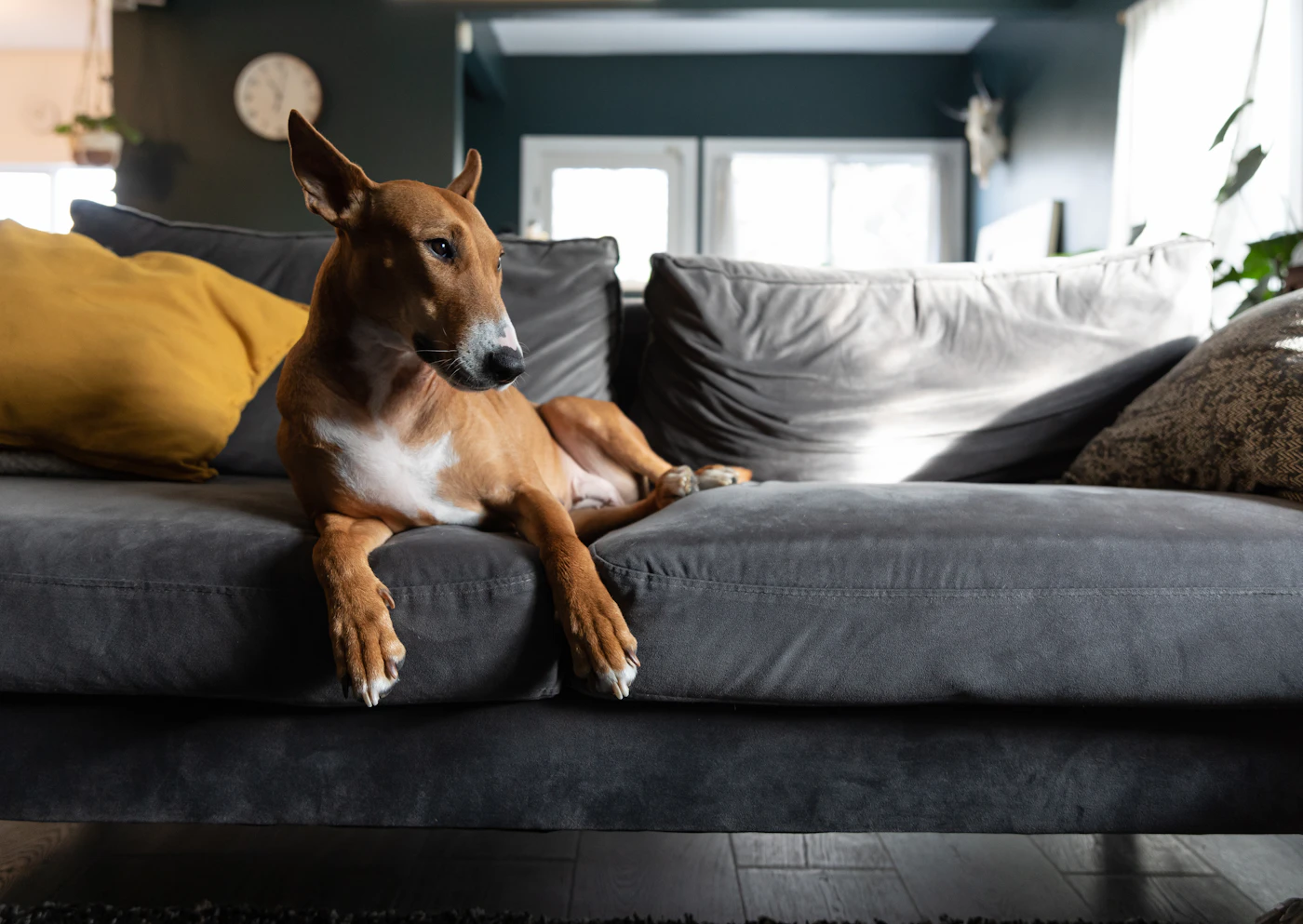
When pet hair is allowed to gather for days, it stops being a minor nuisance and starts feeling like a second layer of upholstery. The difference between a home that looks tidy and one that constantly looks furry often comes down to timing, not effort. A few small, deliberate actions repeated throughout the week prevent the buildup that makes deep cleaning so laborious.
Frequent touch-ups also keep hair from working its way deep into fabric fibers. Once embedded, it becomes far harder to lift, even with a strong vacuum. By addressing the surface layer while it’s still loose, you protect the underlying weave of your couches and chairs. This simple habit can reduce the need for heavy extraction cleaning down the road, saving you weekend time and frustration.
Tailoring the routine to your particular situation is what makes it stick. Consider the following factors when mapping out your weekly approach:
- Your pet’s shedding cycle. Certain times of year call for a few extra passes with the roller or vacuum wand.
- Fabric type. Smooth surfaces like leather or microfiber release hair with a quick wipe, while textured weaves need a gentler, slower approach.
- Furniture placement. A spot that gets direct sunlight or sits near a favorite napping area will collect more hair and may need daily attention.
Pair your cleaning task with an existing habit, such as refreshing your water glass in the morning or brewing coffee. A two-minute swipe every day is far easier to remember than a thorough hour-long session on an arbitrary Saturday. Consistency, even in small amounts, transforms the chore from a dreaded project into an almost invisible part of your home’s natural rhythm. The result is furniture that looks presentable every day, not just after a big push.
The Daily Five-Minute Fur Sweep
You do not need a special gadget or an elaborate system to keep your sofa presentable. A quick daily pass, before the day gets away from you, makes a surprising difference. The goal is simple: remove loose hair before it works its way into the weave of the fabric.
Keep a rubber glove or a damp microfiber cloth near the seating area your pet favors. A plain household glove with a textured palm works well. Run your hand over the cushions, the backrest, and the arms in long, firm strokes. The hair collects into easy-to-remove clumps. If you use a damp cloth, rinse it out and wring it thoroughly before starting—moisture helps gather hair, but a soaking wet cloth will only dampen the furniture.
Focus on the spots where your pet actually sits. That might be one corner of the sectional, the center cushion, or the armrest nearest the window. Spend the bulk of your five minutes there. The rest of the sofa likely needs only a light pass.
- Work top to bottom so loosened hair falls onto areas you have not yet cleaned.
- Shake the glove or cloth outside or over a trash bin as you go.
- For textured upholstery, move your hand in one direction rather than back and forth.
For a deeper clean, a squeegee with a rubber blade can pull embedded hair from tightly woven fabric, but save that for a weekly session. This daily sweep is about maintenance, not perfection. It keeps the hair from settling in, so your weekend cleaning stays quick and your furniture looks better between visits from family and friends.
Weekly Maintenance: Washable Throws and Vacuum Attachments
The simplest layer of defense against pet hair on furniture is also the most straightforward: a washable throw. Draped over your dog’s or cat’s favorite spot on the sofa or armchair, a cotton or microfiber blanket catches the bulk of loose fur before it weaves into the upholstery. Because these throws are machine-washable, you can refresh them on a regular weekly cycle—no special treatment required. Choose a fabric that resists clinging, and keep two or three in rotation so a clean one is always within reach.
For the furniture itself, a vacuum with a dedicated pet-hair attachment makes a noticeable difference. These tools typically feature rubberized bristles or a motorized brush roll that lifts hair from fabric more effectively than a standard floor nozzle. Once a week, take a few minutes to run the attachment over the seat cushions, armrests, and back panels. Pay special attention to seams and creases where hair tends to collect into small, stubborn lines.
- Work in slow, overlapping strokes so the brush has time to pull hair loose.
- Empty the vacuum canister or bag after each session to keep suction strong.
- Spot-clean any visible hair on decorative pillows with a damp rubber glove or a lint roller.
If you notice hair deeply embedded in a cushion’s fabric, or if your vacuum seems unable to lift it even after a thorough pass, it may be time to check the brush roll for wrapped fibers or consult your vacuum’s manual for servicing. For heavily soiled or unusually matted upholstery, a professional cleaning service can handle deeper restoration. But for most weeks, a throw and a good attachment keep things tidy without much fuss.
Monthly Deep Clean: Brushing Furniture and Rotating Cushions
While a weekly wipe-down keeps things presentable, pet hair has a way of working itself deep into the weave of upholstery. Once a month, set aside a few minutes for a more thorough session that targets what you cannot see at first glance.
Start with a dry, firm rubber broom or a squeegee. Run it across the surface of your sofa or chairs in one direction, using short, steady strokes. The rubber creates gentle friction that pulls embedded hair loose from the fabric, gathering it into tidy clumps that are easy to sweep away. This step is far more effective than simply vacuuming first, because it lifts the hair to the surface where your vacuum can actually reach it.
After the brushing pass, follow up with your vacuum’s upholstery attachment. Move slowly over every seat back, armrest, and base. Pay special attention to seams and crevices where hair tends to accumulate along with crumbs and dust. If your cushions have removable covers, this is a good time to give them a light shake outdoors before vacuuming them directly.
Next, rotate and flip your cushions. This simple act does more than even out wear patterns; it also redistributes the hair that has settled into one side. By changing the position regularly, you keep any buildup from becoming a permanent fixture in the fabric. Over time, you may notice that some sides stay cleaner simply because they are used less often.
- Brush first with rubber, then vacuum.
- Focus on seams and under-cushion areas.
- Flip and rotate cushions to balance wear.
For furniture with non-removable cushions, lift them slightly to brush and vacuum the deck below. If you notice any stains, strong odors, or signs of damage during this deeper clean, pause and consult a professional upholstery cleaner. These monthly sessions take only a few minutes but make a visible difference in maintaining a fresh, comfortable home.
Reducing the Source: Grooming Your Pet
The most effective place to deal with pet hair is on your pet, not your sofa. A few minutes of regular brushing removes loose fur before it has a chance to drift onto upholstery and embed itself in fabric. Think of it as intercepting the problem at the source.
For best results, groom your dog or cat outdoors when weather permits. If you are inside, choose a room with hard flooring and a door you can close, or lay down an old sheet or towel to catch the fallout. This keeps the loose hair contained to one easy-to-clean spot rather than letting it float through the air and settle on nearby surfaces.
Select a brush that matches your pet’s coat type. A slicker brush works well for many medium- and long-haired pets, while a rubber curry comb is gentle for short coats and helps lift loose fur from the undercoat. If you are unsure what is right for your pet, a groomer or your veterinary team can point you in the right direction.
Make grooming a positive ritual by pairing it with a small treat and a calm tone of voice. Begin with short sessions of just a few minutes, especially if your pet is not used to being brushed. Stop before either of you becomes frustrated, and gradually build up to a comfortable routine.
- Brush outdoors or over a designated drop cloth to minimize mess.
- Match the brush to your pet’s coat length and texture.
- Keep sessions short and rewarding to build a lasting habit.
If you notice any skin irritation, bald patches, or excessive scratching during grooming, pause and consult a veterinarian. Routine brushing is a safe daily task, but a professional should evaluate any signs of discomfort or underlying skin issues.
When to Call a Professional
Your regular maintenance routine will handle a great deal of what daily life throws at your sofa. However, there comes a point when a deeper reset is the wiser choice. Knowing the difference between a surface issue and a deeper problem can save you both time and frustration.
Consider a professional upholstery cleaning service if you notice a few specific signs. Persistent odors that remain after vacuuming and airing out are a strong indicator that grime has settled deep within the cushions and fibers. Likewise, visible staining that resists your chosen spot-cleaning method may need the more powerful extraction equipment that professionals use.
Here are a few other situations where it makes sense to call in an expert:
- Delicate fabrics: If your furniture is silk, velvet, or an antique with a fragile weave, a professional understands the proper techniques to avoid water marks or fiber damage.
- Allergies and sensitivities: If you or a family member are experiencing persistent respiratory discomfort that seems to ease when away from home, allergens may be trapped deeply in the upholstery, beyond what a household vacuum can reach.
- After a major event: Spills from wine, pet accidents, or other biological messes often require specialized treatments to fully neutralize and prevent future issues.
Most routine upkeep is perfectly safe to manage yourself with a good vacuum and a gentle cleaning solution. But when odors linger despite your best efforts, or when you are dealing with something fragile, professional expertise is the most practical way to protect your investment and your home environment. It is also a smart conversation to have with your veterinarian if you suspect pet-related health concerns, as they can offer guidance specific to your situation.