Mistake 1: Expecting Immediate Calmness Without Preparation
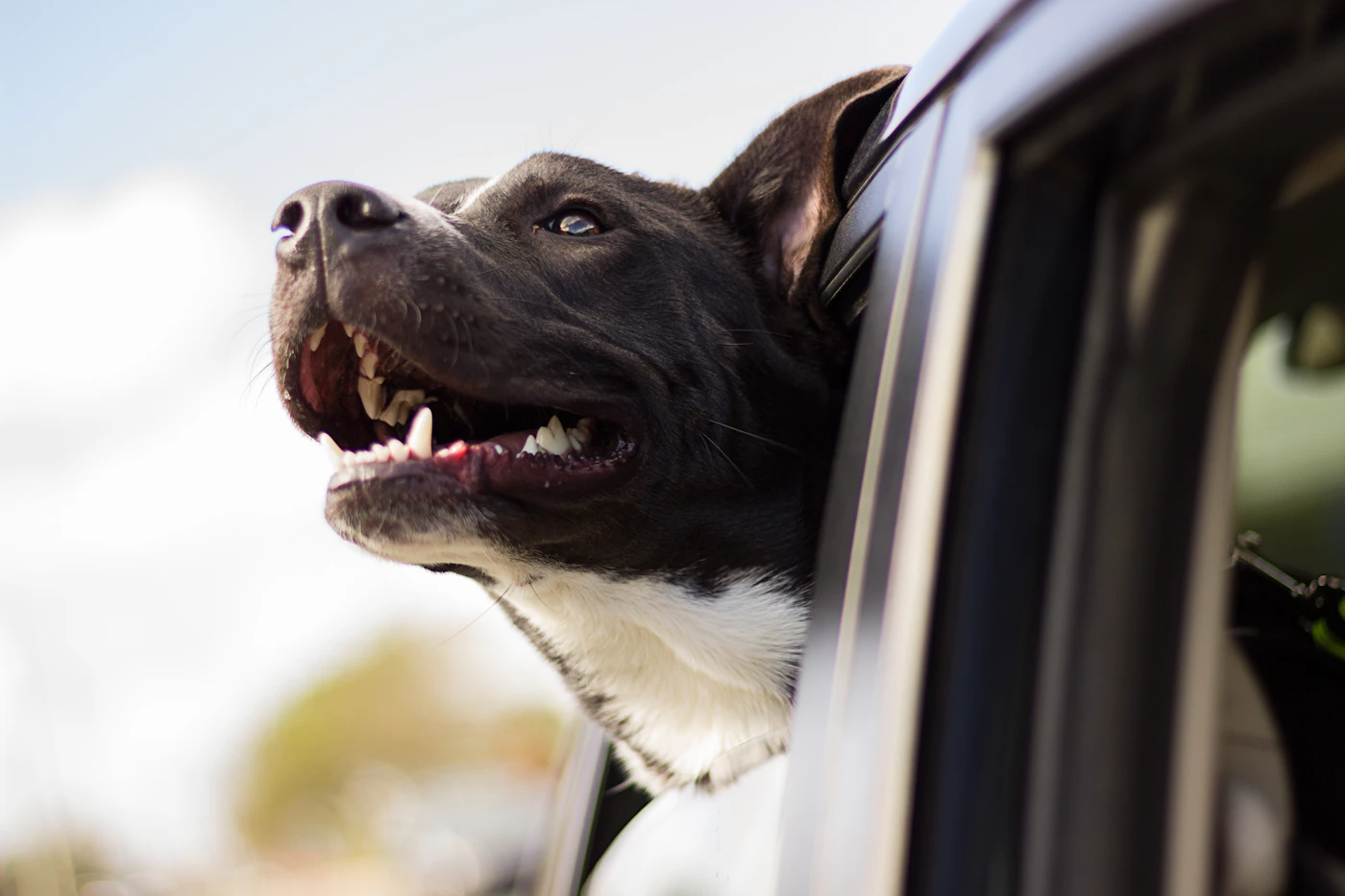
It is tempting to think a dog will simply enjoy sticking its head out the window and watching the world go by. Many owners assume that if the destination is a park or a hike, the ride itself will be a natural joy. In practice, a car is a loud, moving, and sometimes unsettling environment for a dog that has not built up familiarity with it. Expecting a calm passenger on the first trip without any groundwork often leads to pacing, whining, or outright distress.
The more practical approach is to treat the car as something to learn about gradually. Start with the vehicle parked and the engine off. Sit in the back with your dog, offer a few treats, and use a relaxed, quiet tone. Keep these sessions short and positive. Once your dog seems at ease, turn the engine on without going anywhere. Let them hear the hum and feel the vibration while you continue to reward calm behavior. The next step is a very short drive around the block, followed by plenty of praise. Slowly increase the distance over multiple outings, not in a single day.
Some useful points to keep in mind:
- Always pair the car with good things, like treats or a favorite toy, so the association stays positive.
- If your dog shows signs of nausea or heavy stress, stop the session and talk to your veterinarian about safer options.
- Never force a nervous dog to stay in a moving car; that can make the fear worse.
Setting a realistic expectation that calmness is built, not assumed, makes the process smoother for both of you.
Mistake 2: Using the Wrong Restraint or No Restraint at All
Many owners let their dog ride loose in the cabin, thinking it gives the animal freedom and comfort. Others use a standard walking harness or a collar clipped to the seat belt, assuming that is enough. Neither approach keeps your dog safe or calm. A loose dog is a moving weight in a sudden stop, and a poorly fitted harness can rub, twist, or fail under pressure.
Movement is also a major source of anxiety. When the car turns or brakes, an unrestrained dog has to brace and shift constantly. That instability raises stress and can lead to pacing, whining, or even attempts to climb into the driver’s lap. A secure dog, by contrast, learns quickly that the ride has a stable “spot” where they can relax.
Look for a crash-tested harness designed for vehicle use, or choose a crate that can be anchored in the cargo area. A few simple checks help:
- Fit the harness snugly, so you can slide two fingers flat under the straps at the chest and shoulders.
- Attach the harness tether to the seat belt latch, not the belt webbing or a loose hook.
- If using a crate, secure it with the vehicle’s tie-down points or a manufacturer-approved strap, and keep the crate door facing rearward.
- Never use a collar alone; it can strain the neck in a sudden stop.
A restrained dog feels secure because their body is not sliding or swaying. That stability also keeps your hands on the wheel and your eyes on the road. For safety and calm, secure your dog every time, even for a short trip around the block. If you are unsure how to anchor a particular crate or harness, consult the product instructions or ask a professional dog trainer for hands-on help.
Mistake 3: Ignoring Motion Sickness and Physical Discomfort
It is easy to assume a dog that drools, whines, or vomits in the car is simply anxious about the destination. In many cases, though, the real problem is motion sickness. The physical queasiness comes first, and the anxious behavior follows because the dog learns to associate the car with feeling ill.
One of the most common contributors to nausea is how you manage food before travel. Driving with a completely empty stomach can make some dogs feel worse, but a large meal right before the ride is often a bigger problem. A heavy meal sloshing around during starts, stops, and turns can quickly lead to an upset stomach.
Instead of guessing whether your dog should eat, try a practical routine for travel days:
- Feed a light meal or snack a few hours before you plan to leave, so digestion has time to settle.
- Keep the car well ventilated with a window cracked or the climate fan on a gentle setting.
- Plan for frequent, short breaks on longer trips so your dog can stretch, drink, and relax outside the moving vehicle.
- Position your dog so they can look forward through the windshield rather than out the side windows. Side-facing motion is more disorienting for many dogs.
If your dog continues to drool, pace, or vomit despite these adjustments, do not assume it is a habit you must simply tolerate. Motion sickness can often be managed with veterinary guidance. A veterinarian can rule out other causes of nausea and may recommend medication or a specific desensitization plan that is safe for your individual dog.
The goal is to make the car a neutral, comfortable place. Addressing physical discomfort first is often the key step that makes everything else easier.
Mistake 4: Overlooking the Power of Routine and Predictability
Many owners treat each car ride as a completely new event. The dog hops in on Tuesday, waits on Wednesday, and gets lifted in on Thursday. Maybe the engine starts right away, or perhaps you fiddle with the radio first. From the dog’s perspective, nothing about the ride is knowable, and that unpredictability can be a major source of stress.
A consistent pre-ride ritual helps your dog understand what is about to happen. When the sequence of events is familiar, uncertainty fades. You do not need elaborate training—just a calm, repeatable order of actions.
- Use the same phrase before every ride, such as “let’s go” or “car time.” Say it in a neutral, relaxed tone.
- Walk to the car slowly and calmly. Do not rush or drag the dog by the collar.
- Follow the same physical steps each time: open the door, let the dog hop in, close the door, buckle a safety harness, then start the engine.
- Keep the order consistent. If the dog settles before you start the engine, wait a few seconds so the engine start is not a surprise.
If you can, use the same car for routine rides. Different vehicles have different smells, sounds, and suspension feel, which can reset your dog’s sense of familiarity. Also try to make the ride’s purpose predictable. If you always drive to the same park or trail, your dog learns to expect something pleasant. Vet visits will still be stressful, but you can pair them with gradual desensitization, such as short practice rides that end with praise and a treat, so the car itself does not become a predictor of discomfort.
Routine does not eliminate every anxious moment, but it gives your dog a clearer picture of what comes next. That simple clarity often does more than any calming gadget.
Mistake 5: Allowing Nervous Behaviors Without Redirection
It is natural to want to scoop up a trembling or whining dog and shower them with reassurance. While comforting a scared pet is not inherently harmful, the timing matters more than most owners realize. If you offer a flood of attention, treats, or soothing talk the moment your dog paces, whines, or shakes in the car, they can easily link that anxious state with reward. The behavior is not deliberate defiance; it is stress, but the message may still become "this is the right way to act in the car."
The more effective approach is to stay calm and neutral. Use a steady, low voice, but do not make a fuss. Then, redirect your dog’s attention to a simple cue they already know well, such as sit or look at me. The moment they shift their focus to that cue, reward the effort. This breaks the cycle of worry by giving the dog a clear, familiar job to do.
Keep these points in mind:
- Wait for calm: If your dog settles into a relaxed position, even for a moment, quietly reward that stillness.
- Use distractions wisely: A favorite chew or toy can help, but only if your dog can actually focus on it. If they are too worked up to take it, put it away and try again later.
- Do not ignore fear: Redirection is not about dismissing your dog’s feelings. It is about guiding them toward a more manageable state.
The goal is not to scold anxiety, but to reinforce a relaxed state so your dog learns that calm behavior earns the rewards. If your dog’s fear appears severe or worsens with practice, consult a qualified trainer or veterinarian for guidance tailored to their needs.
Mistake 6: Skipping Professional Help When Needed
Some dogs experience more than simple nervousness in the car. They may pant heavily, drool excessively, or try to escape the vehicle. In more serious cases, a dog might bark without stopping, destroy seatbelts or upholstery, or even injure itself trying to get out. When fear reaches this level, it is no longer a training problem you can solve alone with treats and patience.
Many owners put off getting help because they hope the behavior will fade with age or more exposure to driving. Unfortunately, intense anxiety often gets worse rather than better when left unaddressed. The dog is not being stubborn; it is genuinely overwhelmed, and repeating the stressful experience can reinforce the panic.
If you see signs of extreme distress, a good next step is to talk with your veterinarian. They can check for underlying medical issues that might make car rides uncomfortable, such as motion sickness or joint pain. Once those are ruled out, a certified professional dog trainer or a veterinary behaviorist can build a step-by-step behavior modification plan tailored to your dog’s specific triggers.
In some situations, a veterinarian may prescribe anti-anxiety medication to help your dog cope during the retraining process. This is not a permanent crutch for most dogs, and it is never something to try on your own. Medication works best when combined with a structured training program, and only a qualified professional can determine if it is appropriate.
- Watch for signs of panic, not just mild unease
- See a vet first to rule out physical causes
- Work with a certified trainer for a custom plan
- Use medication only if prescribed and supervised by a vet
Reaching out for help is not a failure. It is a practical way to keep your dog safe and make car travel manageable for both of you.