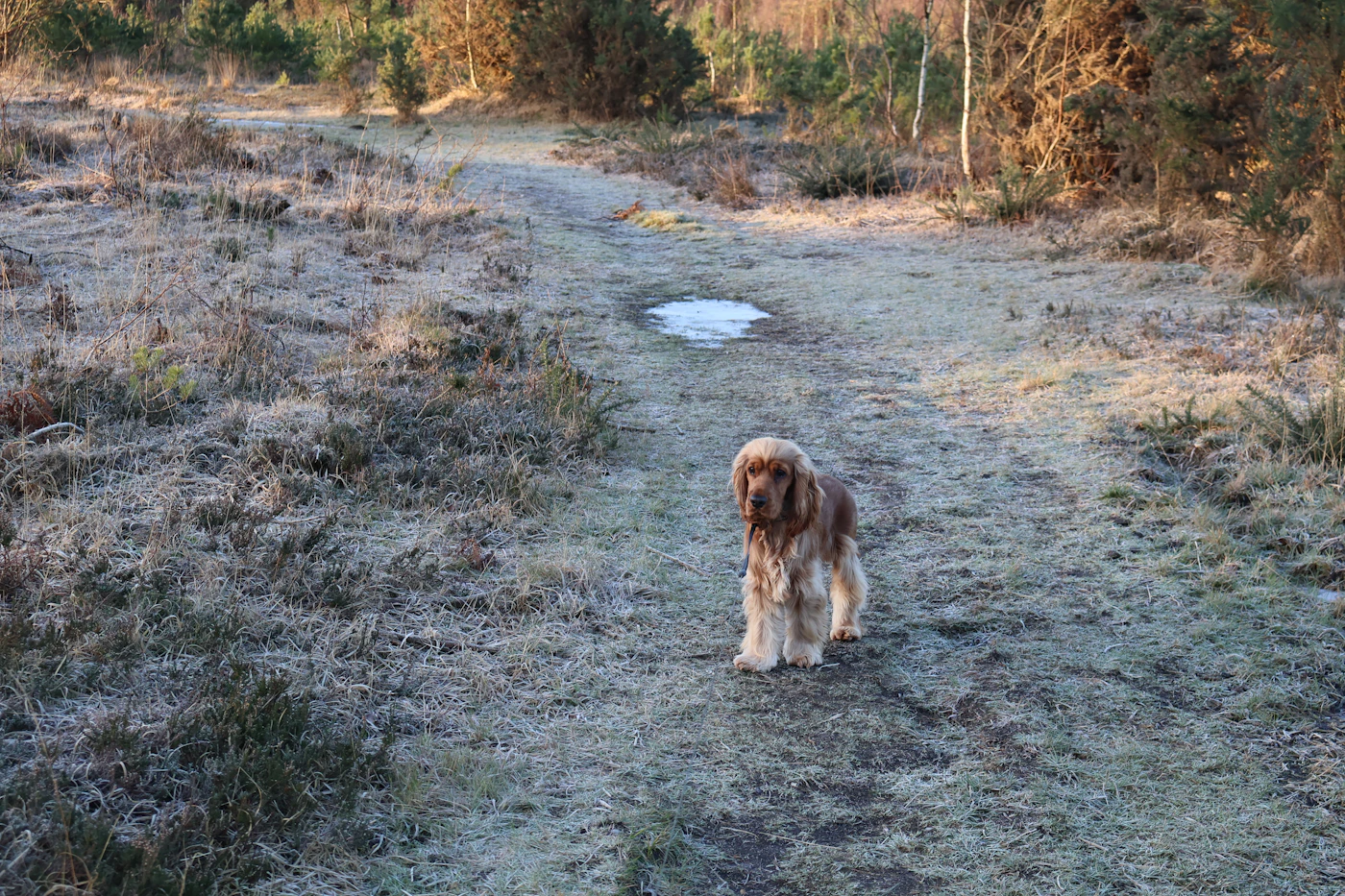
Why a Seasonal Checklist Helps Your Dog
Dogs notice shifts in temperature, daylight, and humidity long before we do. Their routines, energy levels, and even their coats respond to these changes. A simple seasonal checklist takes the guesswork out of preparing for those shifts, helping you stay consistent without having to remember every detail from memory.
The main benefit is early awareness. When you check your dog’s paws, coat, and behavior at the start of each season, you are more likely to catch small changes before they become bigger problems. For example, cracked paw pads, dry skin, or a sudden change in thirst can be addressed sooner when you are already looking for them.
A checklist also supports consistency. Dogs thrive on predictable routines. When you regularly adjust walks, hydration, and grooming habits to match the season, your dog knows what to expect. This reduces stress for both of you.
- Spring and fall: Watch for mud, pollen, and temperature swings. Check paws after wet walks and adjust coat brushing as shedding increases.
- Summer: Focus on hydration, paw heat, and adjusting outdoor time to cooler parts of the day.
- Winter: Inspect paws for ice, salt, or cracks. Keep an eye on how long your dog tolerates cold exposure.
What belongs on your checklist are safe, everyday observations: skin condition, paw health, water intake, and how your dog reacts to being outside. These checks do not require a professional. You know your dog’s normal behavior best, so trust what you see.
If something seems off, such as persistent lameness, extreme lethargy, or a skin issue that does not improve, do not try to treat it yourself. Contact your veterinarian for guidance. A checklist is not a substitute for medical care; it is a tool to help you notice when care might be needed.
Daily Observations: Your First Line of Insight
Before you adjust routines or pull out gear, take a quiet minute to watch your dog at home. These simple observations require no special tools and give you reliable clues about how your dog is handling the current weather.
- Energy level: Notice if your dog is more eager for walks or more reluctant to leave the house. A dog that usually sprints to the door but now hesitates may be reacting to heat, cold, or wet conditions on the ground.
- Appetite: Some dogs eat less during temperature swings. Offer meals at the usual time and note whether food is finished within a reasonable window. A skipped meal here and there is not alarming, but a consistent loss of interest is worth mentioning to your veterinarian.
- Water intake: Check the water bowl at the same time each day. Increased thirst can be normal in warmer weather, but a sudden drop in drinking during hot spells deserves attention.
- Bathroom habits: Pay attention to frequency and ease of urination and bowel movements. Weather changes can alter how much water your dog drinks, which naturally shifts bathroom schedules. Straining, repeated unsuccessful attempts, or a noticeable change in output are signals to consult a professional.
Keep a simple mental note or jot down patterns for a few days. The goal is not to overanalyze, but to recognize your dog’s normal baseline. When you know what is typical, you can spot meaningful shifts early. These checks are safe for any owner to perform daily. If you see signs of distress, persistent vomiting, diarrhea, or labored breathing, contact your veterinarian promptly rather than waiting to see if the situation resolves.
Adjusting the Home Environment for Comfort
Your dog’s daily comfort often comes down to small, manageable changes inside your home. Because dogs cannot adjust the thermostat or move a fan themselves, their environment is your responsibility. The goal is to give your dog easy access to areas that feel right for the current weather, without forcing a drastic shift in temperature.
Start with bedding. In cooler months, offer a thick, insulated bed placed off cold floors and away from exterior doors. In warmer months, switch to a lighter bed or a cooling mat, and move it to a spot with good air movement. Observe whether your dog chooses one bed over another; that choice is a reliable signal of preference.
Think about airflow and drafts. During hot weather, a room with a ceiling fan or an open window (with secure screens) provides relief. During cold weather, seal gaps under doors and keep your dog’s resting area clear of drafts. Humidity matters too. A very dry home in winter can irritate skin, while a damp, stuffy house in summer feels hotter than it is. A simple humidifier in winter or a dehumidifier in summer can make a noticeable difference, but watch for any signs of discomfort and adjust gradually.
- Provide multiple resting spots so your dog can move to a cooler or warmer area as needed.
- Keep water fresh and accessible in more than one location during temperature swings.
- Avoid placing beds near radiators, heating vents, or air conditioning units blowing directly.
These are everyday checks. If your dog shows persistent signs of overheating, shivering, or distress despite your adjustments, consult a veterinarian promptly.
Seasonal Grooming and Coat Care
Your dog’s coat changes with the seasons, and a simple routine keeps them comfortable without guesswork. The goal is not to shave or strip the coat, but to manage shedding, prevent mats, and inspect the skin and paws regularly.
At home, the most valuable habit is consistent brushing. A good undercoat rake or slicker brush works for most double-coated breeds, while a soft bristle brush suits short-haired dogs. Brush before baths, not after, to remove loose fur and tangles more easily. In spring and fall, expect heavier shedding; increase brushing frequency during those transitions. In winter, reduce bathing frequency to avoid stripping natural oils, and in summer, keep an eye out for burrs, seeds, and debris that can work into the fur.
Paws need attention year-round. Check between toes for ice balls, salt residue, or heat-related dryness. Wipe paws after walks, and trim the hair between the pads if it becomes long enough to collect dirt. Keep nails trimmed; if you hear tapping on the floor, they are due for a cut. For ear care, just look and smell – clean, dry, and odor-free is the standard.
You can handle all of the above safely at home. However, call a professional groomer if you notice:
- Mats that are tight against the skin – do not attempt to cut them out yourself, as skin folds are easy to nick.
- Heavy seasonal shedding that leads to bald patches or irritated, red skin.
- A coat that stays greasy, smells strongly, or has flaking that routine brushing does not resolve.
- Tangles in sensitive areas like the belly, armpits, or behind the ears that you cannot brush out gently.
If you see signs of skin irritation, swelling, parasites, or raw patches, consult your veterinarian before any grooming appointment. Regular observation and consistent brushing will handle most seasonal changes, but when the coat or skin looks unhealthy, professional guidance is the right call.
Exercise and Outdoor Safety by Season
Weather affects how and when you exercise your dog. Adjusting your routine for the season keeps outdoor time comfortable and reduces risk. Pay attention to the air temperature, the surface underfoot, and how your dog is behaving.
Hot weather: Walk during cooler parts of the day, such as early morning or later evening. Check pavement with the back of your hand; if it is too hot for you to hold for several seconds, it is too hot for your dog’s paws. Carry water and offer it frequently. Watch for heavy panting, drooling, or sluggishness, and head indoors if you see these signs. Shade does not replace hydration, and paved areas retain heat long after the sun goes down.
Cold weather: Short-coated or small dogs may need a sweater or coat, but not every dog does. Keep walks shorter when temperatures drop, especially in wind or wet conditions. Check paw pads after walking for cracked skin, ice buildup, or irritation from road salt. Wipe paws and belly when you return inside to remove de-icing chemicals. Do not let your dog linger on frozen surfaces that may be slippery or uneven.
Wet and windy conditions: Rain and wind increase heat loss. Towel your dog dry after a wet walk and check ears for moisture, which can lead to irritation. High winds can carry distracting scents or debris; keep your dog on a leash if conditions feel unstable.
Everyday checks before you go out:
- Touch the ground surface to gauge heat or cold.
- Check the forecast for sudden temperature swings or storms.
- Bring water and a collapsible bowl even on mild days.
- Carry a light or reflective gear when daylight is low.
If your dog shows signs of distress, discomfort, or unusual fatigue during or after exercise, stop the activity and contact your veterinarian. Routine adjustments handle most conditions, but professional guidance matters when you are unsure.
Knowing When to Call the Veterinarian
Daily checks are useful for catching small issues early, but they are not a substitute for professional judgment. Certain signs go beyond normal seasonal adjustment and warrant a call to your veterinarian. Trust your instincts; if something feels off, it is reasonable to ask.
Contact your veterinarian promptly if you notice any of the following:
- Persistent vomiting or diarrhea that lasts more than a day, or occurs alongside lethargy.
- Obvious difficulty breathing, frequent coughing, or wheezing that is new or worsening.
- Sudden reluctance to move, lameness, or visible pain when touched.
- Loss of appetite lasting more than 24 hours, especially if your dog is also not drinking.
- Seizures, collapse, or any sudden change in coordination.
- Repeated scratching, head shaking, or red, inflamed skin that does not settle within a day or two.
- Any swelling, especially around the face, neck, or paws.
Seasonal changes can cause temporary shifts in energy or thirst, but they should not cause distress. A dog that is uncomfortable, in pain, or showing unusual behavior needs a professional assessment. Do not wait to see if a serious sign resolves on its own, as some conditions progress quickly.
When you call, describe exactly what you have observed, including when it started and how often it occurs. The veterinary team can then advise whether you should monitor at home or come in for an examination. It is always better to ask a professional than to guess when your dog’s health is involved.