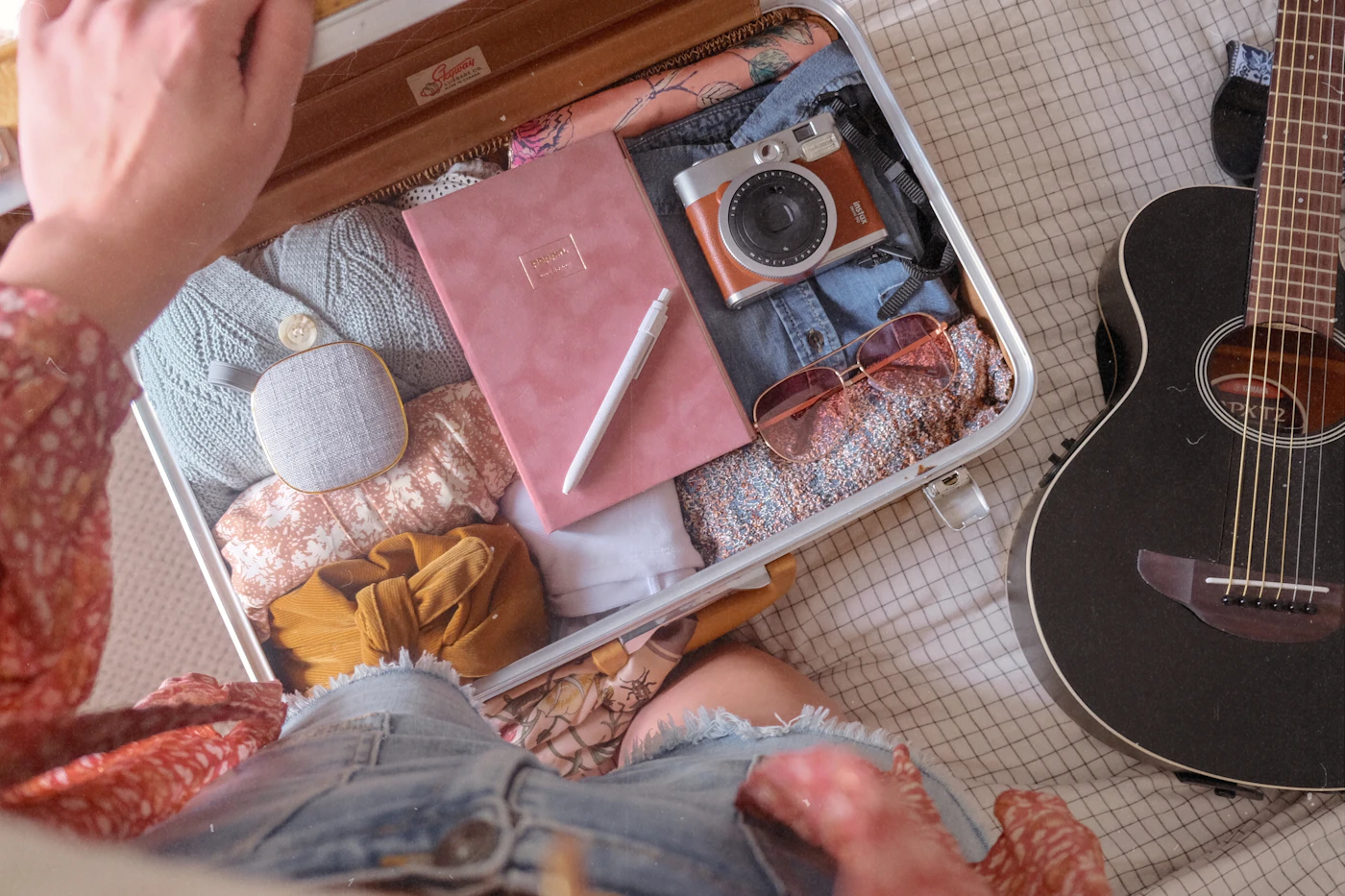
Start with Your Itinerary and Climate
Before you sort through your closet or shop for anything new, take a quiet hour to map out your trip in practical terms. The most useful travel wardrobe begins not with fabric technology but with honest answers about where you are going and what you will actually do there.
Look up the destination’s typical weather for your specific travel dates, not just its general reputation. A coastal city can feel cool and damp in the evenings even when afternoons are sunny. Mountain regions often bring sudden temperature shifts after sunset. Note the range between the warmest part of the day and the coolest, then plan layers that bridge that gap comfortably.
Next, list your planned activities in order of how much time you will spend on each. A week of museum visits, restaurant dinners, and short walks calls for a different kit than one built around long hikes, market days, or beach time. Be realistic about what you will actually do, not what you hope to do. That extra dress or second pair of trail shoes may never leave your suitcase.
Finally, consider cultural norms at your destination. In many places, modest shoulders or covered knees matter for entering religious sites, while other regions expect casual resort wear almost everywhere. A quick review of local customs prevents awkward moments and helps you avoid packing items you cannot wear.
- Check typical highs and lows for your exact dates.
- Match garments to your real activity list, not an idealized version.
- Note any dress expectations for temples, churches, or formal restaurants.
With this framework in place, you can choose pieces that earn their space in your bag—and leave the rest at home.
Prioritize Fabric and Function Over Fashion
When you are shopping for travel clothing, the first thing to check is not the cut or the color but the fiber content. Fabric determines how you will feel after a long day of sightseeing, a delayed flight, or an unexpected rain shower. The right material keeps you comfortable with less effort, while the wrong one can make even a short outing feel miserable.
Fabrics that breathe allow air to circulate against your skin, which helps regulate body temperature in warm conditions. Moisture-wicking materials pull sweat away from your body so it can evaporate more quickly, leaving you drier when you are moving between air-conditioned museums and sunny sidewalks. Quick-drying properties are equally valuable because they allow you to wash items in a hotel sink and wear them again the next morning. Wrinkle resistance matters less for your appearance than for your peace of mind—it means fewer ironing requests and less time fussing with a steamer in a cramped room.
Both natural and synthetic fibers have trade-offs you should understand before you pack:
- Natural blends—such as cotton combined with a small amount of elastane or linen with a touch of viscose—offer softness and breathability but can hold onto moisture and take longer to dry.
- Synthetics—like polyester and nylon—excel at wicking and drying quickly, yet they can retain odors more readily and may feel less soft against sensitive skin.
- Wool—especially fine merino—strikes a useful balance: it resists odor, handles temperature shifts well, and dries faster than cotton, though it requires gentler care and a higher budget.
For most trips, a mix works best. Choose quick-drying synthetics for base layers and active days, but keep one natural-blend piece for evenings when you want a softer feel. Before committing to a garment, check the care label for washing temperatures and drying instructions. If a fabric needs special handling, ask yourself whether you are willing to manage that on the road. The goal is simple: choose clothes that serve your itinerary, not ones that make you serve them.
Master the Art of Layering
The quickest way to stay comfortable on any trip is to think in layers. Rather than packing bulky sweaters or heavy coats, choose pieces that work together, trap warmth when needed, and peel off easily when the sun appears or the indoors feel stuffy. A good layering system gives you flexibility without adding bulk to your bag.
Start with a base layer worn closest to your skin. Look for fabrics that wick moisture away rather than absorbing it, especially if your plans include walking or hiking. Merino wool and certain synthetics work well, while cotton tends to stay damp and cold once you sweat. A lightweight, long-sleeved top is a strong foundation for most climates.
The mid layer provides insulation. This is where a packable fleece, a thin down jacket, or a synthetic puffer shines. You want something that compresses small in your luggage and traps heat without feeling heavy. A vest can be a clever alternative—it keeps your core warm while leaving your arms free for movement.
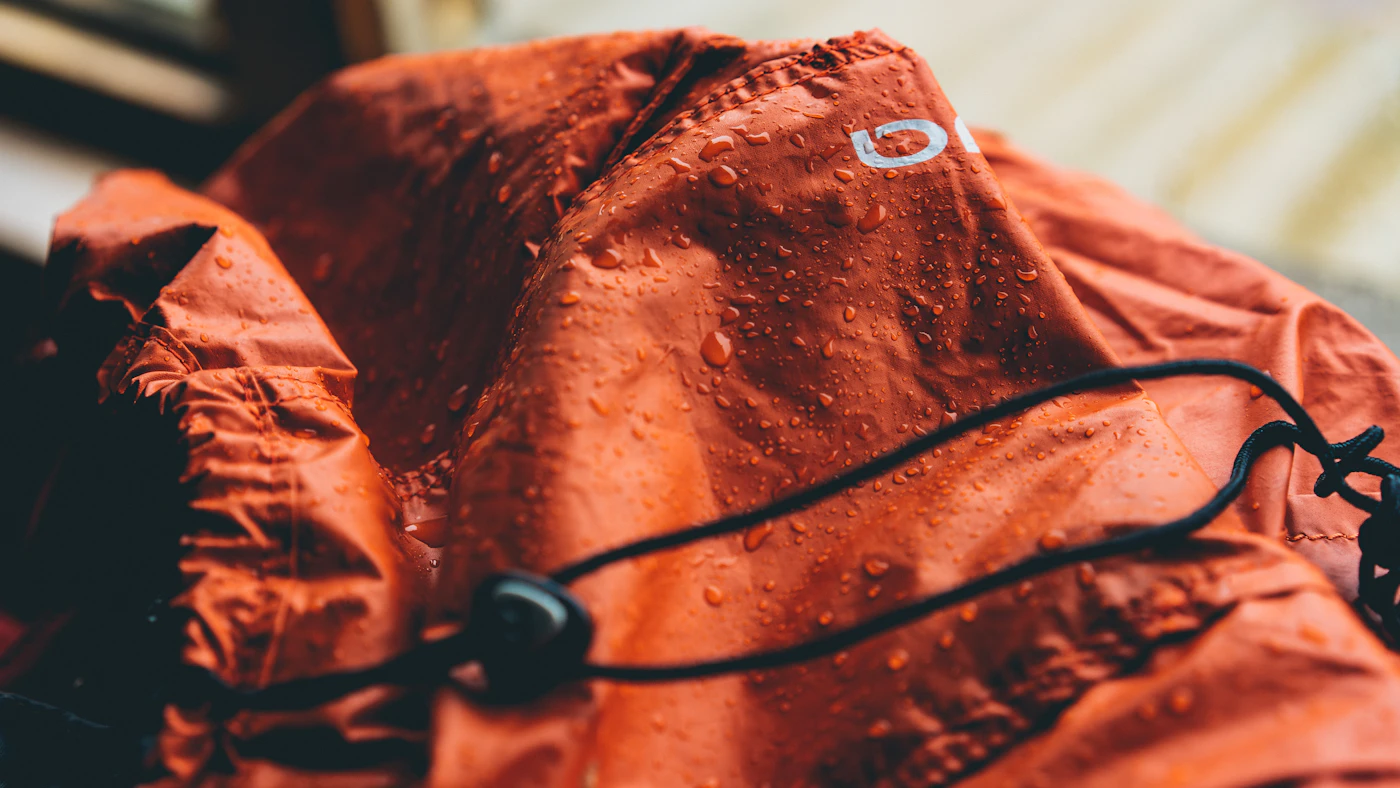
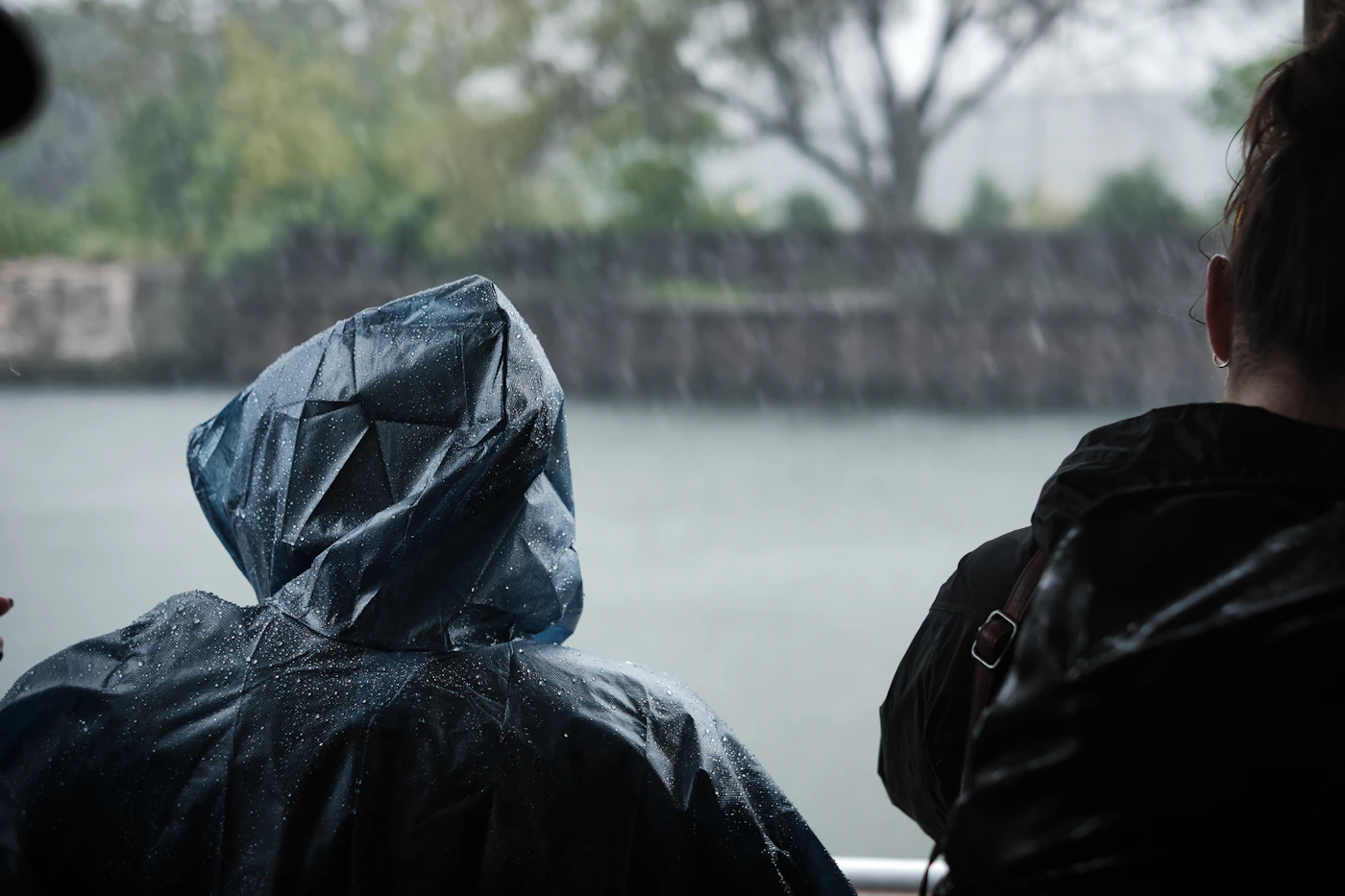
Finish with an outer layer that protects from wind, rain, and chill. A water-resistant or waterproof shell is often enough; you can add or remove the mid layer underneath as temperatures shift. Look for one that breathes, so you do not overheat during active stretches.
- Choose darker or neutral colors for outer layers—they hide stains and blend with more outfits.
- Test your full layering system at home by moving around in it; you should feel comfortable, not restricted or sweating.
- Pack each layer in a stuff sack or compression cube to save space and keep them organized.
With the right combination, you can handle morning chill, afternoon sun, and air-conditioned restaurants alike, all without hauling a separate outfit for every change in the weather.
Build a Cohesive Color Palette
A limited color scheme is one of the quietest luxuries in a travel wardrobe. When every top, bottom, and layer works with the others, you stop packing for specific outfits and start packing for combinations. The goal is not monotony but ease: fewer items, more possibilities, and a suitcase that feels lighter before you even lift it.
Start with a base of neutrals. Think of these as the structural pieces—the trousers, skirts, and jackets that anchor everything else. Classic choices include shades of navy, charcoal, olive, camel, or a warm off-white. The key is choosing neutrals that flatter your coloring and suit your destination’s climate. If you favor cooler tones, lean toward gray and navy; if you prefer warmth, consider tan and rust-toned browns.
From there, introduce two, perhaps three, accent colors that genuinely please you. These accents should appear in smaller items—tees, scarves, a lightweight knit—so they add interest without dominating. A brick red, a dusty sage, or a soft mustard can transform the same neutral base from day to evening.
- Test the mix: Before packing, lay every piece on a bed and ensure at least three different tops work with each bottom.
- Consider prints sparingly: If you love a pattern, keep it in one or two pieces that share a background color with your neutrals.
- Think about laundry realities: Medium-depth colors hide minor stains better than pale or stark white options.
This approach does not demand a rigid uniform. It simply gives you a system for saying no to that tempting but unworkable third pair of pants. When everything coordinates, getting dressed each morning becomes a fast, pleasant decision rather than a negotiation with your suitcase.
Choose Shoes and Accessories Wisely
Footwear often determines how much you enjoy a day of exploring. A pair that looks sharp but rubs after an hour will overshadow even the best-planned itinerary. The goal is to select shoes that move easily between contexts—a morning walk, a long lunch, an evening event—without requiring a second pair for each stop.
Start with your most-used shoe: a comfortable, broken-in option that suits the primary activities of your trip. If your days involve significant walking, prioritize support and grip over style. Save room for one slightly dressier pair that remains practical, such as clean leather sneakers or low-profile loafers. Leave behind anything brand-new or untested; a short test walk at home can reveal trouble spots before you are far from a shoe repair shop.
Accessories deserve the same scrutiny. A lightweight scarf can serve as a sun shield, a light blanket on a cool flight, or a way to dress up a simple outfit. A hat with a brim offers shade and keeps rain off your face without requiring an umbrella. Choose items that fold flat or roll small, and resist the urge to bring a different accessory for every outfit.
- Stick to neutral colors for shoes so they pair with multiple looks.
- Pack one versatile layer, like a pashmina or packable jacket, rather than several single-purpose extras.
- Test zippers, straps, and buckles before you leave—small repairs are easier at home.
When in doubt, leave it behind. The best accessory is the freedom of carrying less.
Test and Break In Before You Go
New clothing often looks perfect on the hanger but feels entirely different after a few hours of wear. Before you commit to packing an untested item, spend time wearing it around the house. This simple habit can save you from blisters, chafing, and the frustration of discovering a shirt rides up or a pair of pants digs in at the waist. Move the way you would on a typical travel day—sit, stand, bend, walk up and down stairs—so you can gauge how the garment behaves in real life, not just in a dressing room mirror.
Shoes deserve extra attention. Even styles that seem comfortable in the store can develop pressure points after an afternoon on your feet. Wear new pairs with the socks you plan to travel in, and walk on both carpet and hard flooring if possible. This helps you judge traction, arch support, and whether your feet feel cramped after an hour or two. If any item causes discomfort at home, it will only feel worse after a long flight or a day of sightseeing.
- Wash new garments before packing to confirm they hold their shape and color.
- Check that zippers, buttons, and pockets function smoothly and lie flat.
- Layer items together to ensure they combine comfortably without bunching.
Keep in mind that everyday testing is not the same as professional tailoring or repair. If a seam is loose, a shoe needs resoling, or a jacket’s lining is pulling, take it to a tailor or cobbler before your trip. Home wear-testing reveals fit issues, but it cannot fix structural problems. A little preparation at home means you leave with confidence that every piece earns its place in your suitcase.