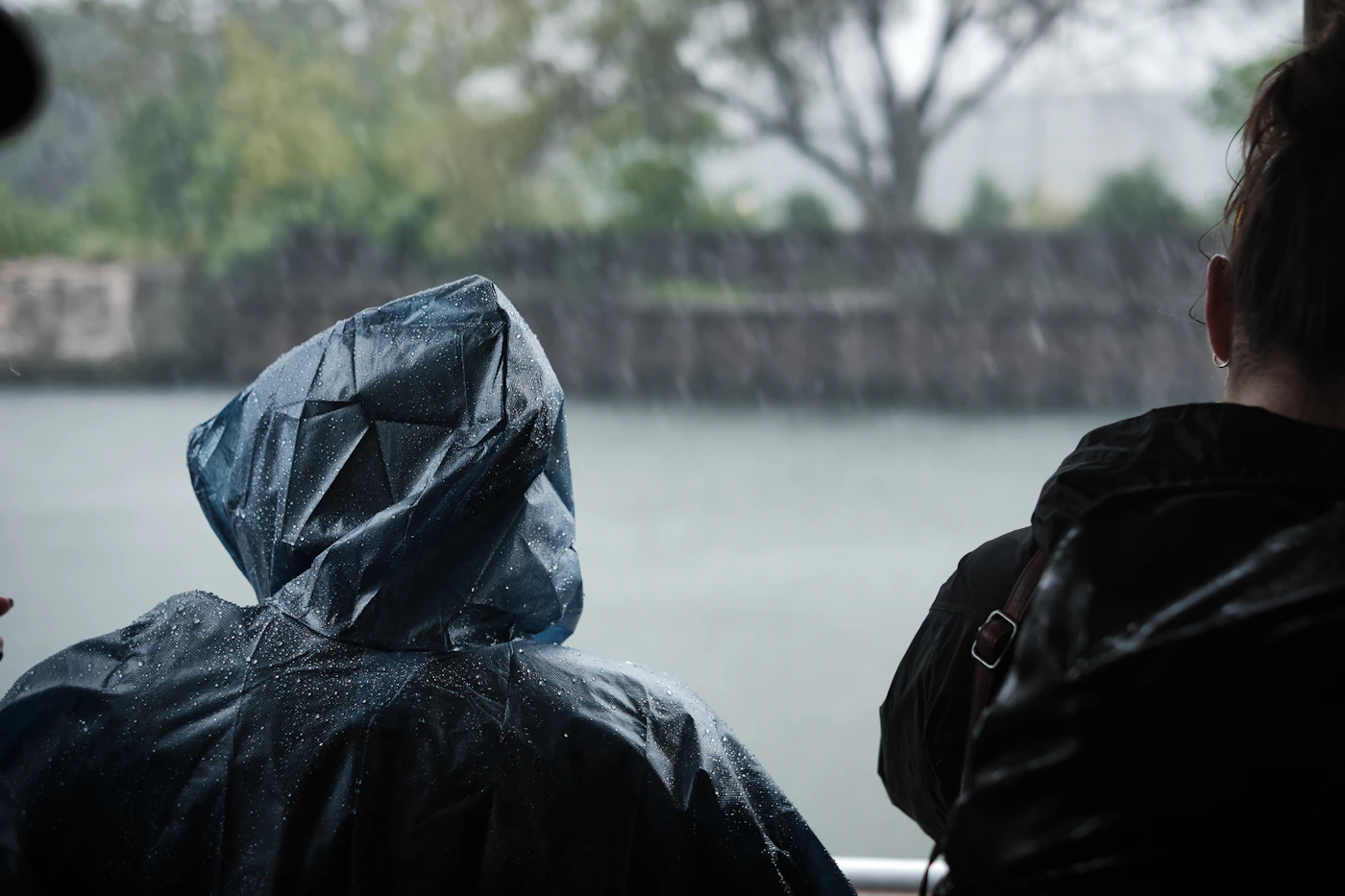
Start With Your Rain Shell, Not Your Umbrella
A reliable rain jacket is the backbone of any damp-weather packing list. A good waterproof and breathable shell keeps you dry while letting body heat escape, which is something an umbrella simply cannot do in wind or crowded streets. Before you leave, check your jacket’s condition at home. Look at the seam tape inside—if it is peeling or cracked, the jacket will leak. Check the outer fabric for worn spots, especially around the shoulders and hood, and confirm the zippers still close fully with a fabric flap over the top.
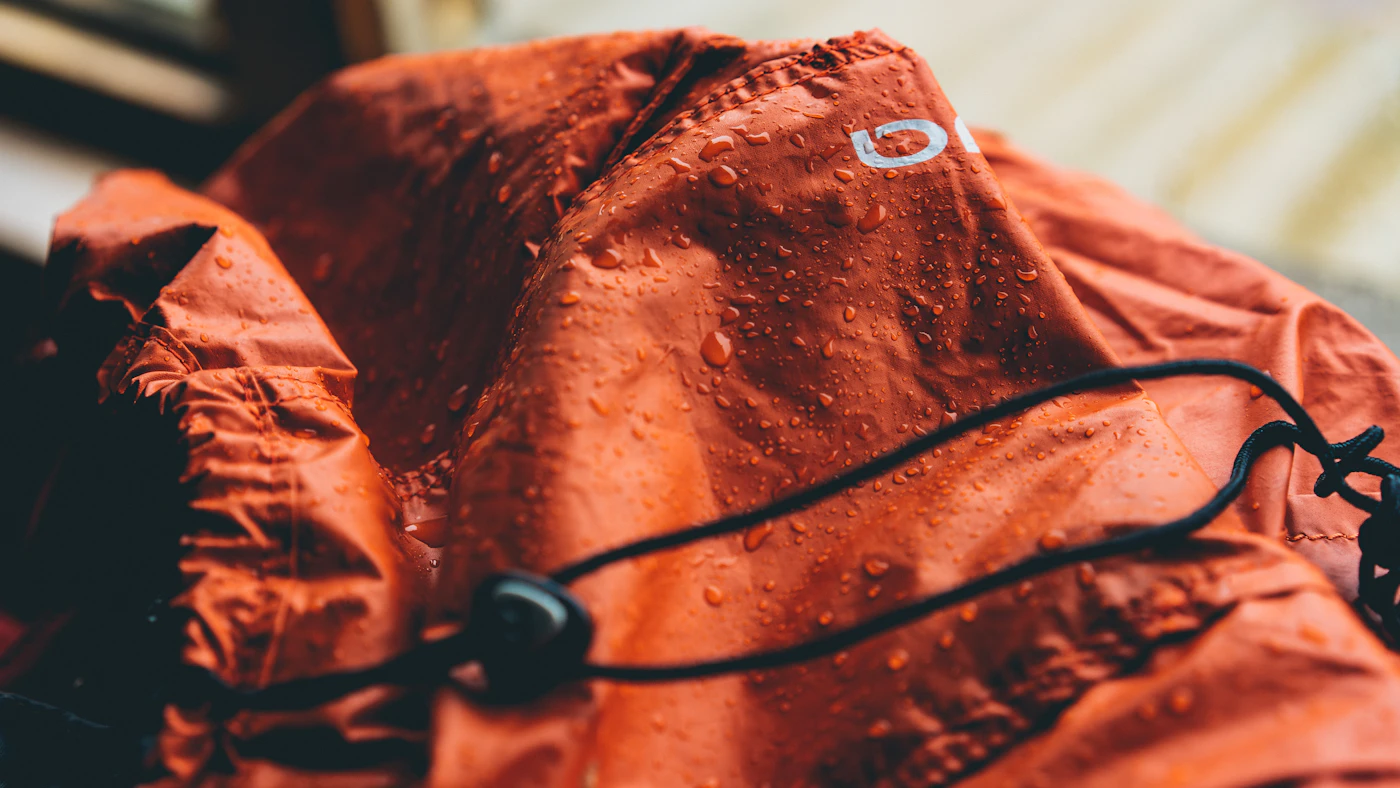
If water no longer beads up on the face fabric, the durable water repellent (DWR) finish has worn off. You can restore it at home with a wash-in or spray-on treatment, but do that before your trip, not the night before. For most trips, a single midweight shell with pit zips gives you flexibility for changing temperatures.
Keep the umbrella as a backup, not your primary defense. It works well for short walks between covered areas or as extra shade on a warm drizzle. But in a gusty downpour, it will turn inside out, and it occupies one hand you may need for a door, a rail, or your phone. Pack a compact one only if you have room after your shell, a dry bag for electronics, and a pair of quick-dry shoes or waterproof boots.
- Test your jacket under a running shower at home—check shoulders, cuffs, and hood seams.
- Reapply DWR treatment a few days before departure if water no longer beads on the fabric.
- Leave the umbrella behind if wind is a real possibility; a hood with a stiff brim serves you better.
Choose Footwear That Dries Fast And Grips Well
Wet pavement, slick tiles, and sudden downpours make your choice of shoes one of the most practical decisions of the trip. The right pair keeps you upright and comfortable, while the wrong one turns a short walk into a day of blisters and damp feet. Look for materials that shed water rather than soak it in. Synthetic uppers, mesh panels, and lightweight trail-style soles generally dry faster than thick leather or canvas. Avoid open-toe styles if you expect heavy rain; wet toes get cold quickly, and loose sandals offer little traction on slick surfaces.
Pay close attention to the tread. Deep, multidirectional lugs grip wet concrete and packed dirt better than flat street soles. If your primary shoes have worn-down tread, consider replacing them before you leave. A simple at-home test: sprinkle a few drops of water on a hard floor and slide the sole across it. If it glides without resistance, the grip is probably too weak for rainy sightseeing.
Treat your shoes with a water-repellent spray before packing. Apply it the day before departure so it has time to cure. Reapply once more after you arrive if you expect several days of rain. This adds a thin barrier that helps water bead off rather than soak through.
- Pack one spare pair of moisture-wicking socks per travel day, plus an extra pair of insoles.
- Swap wet insoles at midday to reduce foot fatigue and odor.
- Carry a small dry bag or plastic zip pouch specifically for damp shoes and socks.
For routine upkeep, air-dry shoes overnight in a well-ventilated spot. Avoid placing them near direct heat, which can warp adhesives. If you need professional resoling or waterproofing services, see a cobbler—this is not a do-it-yourself fix for most footwear.
Layer With Wicking Fabrics, Not Cotton
When the forecast calls for steady rain, the fabric closest to your skin matters more than the waterproof shell you pack on top. Cotton absorbs moisture and holds it against your body, which accelerates heat loss and leaves you chilled long after the rain stops. Synthetic materials and wool do the opposite: they pull sweat and light rain away from your skin and release it into the air, so you stay drier and warmer from the inside out.
Think of your clothing as a three-part system. The base layer sits directly on your skin and manages moisture. The mid-layer traps warmth even if it gets damp. The outer layer blocks wind and keeps the worst of the rain off the inner layers.
- Base layer: Choose a snug fit in polyester, nylon, or merino wool. Avoid loose cotton t-shirts, which sag and soak.
- Mid-layer: A fleece or wool sweater works better than a hooded cotton sweatshirt. These fabrics retain some insulation value even when wet.
- Fit: Keep layers close but not tight. Enough room for air to move helps your body regulate temperature without trapping moisture.
This system is not about staying completely dry—that is nearly impossible in a downpour. It is about managing the dampness so you can keep moving comfortably. If you only bring cotton and a raincoat, plan on changing into dry clothes as soon as you reach shelter. If you bring wicking layers, you gain more flexibility: you can pause for a meal, wait out a heavy band of rain, or adjust your pace without feeling the cold seep in.
Protect Your Electronics And Critical Documents
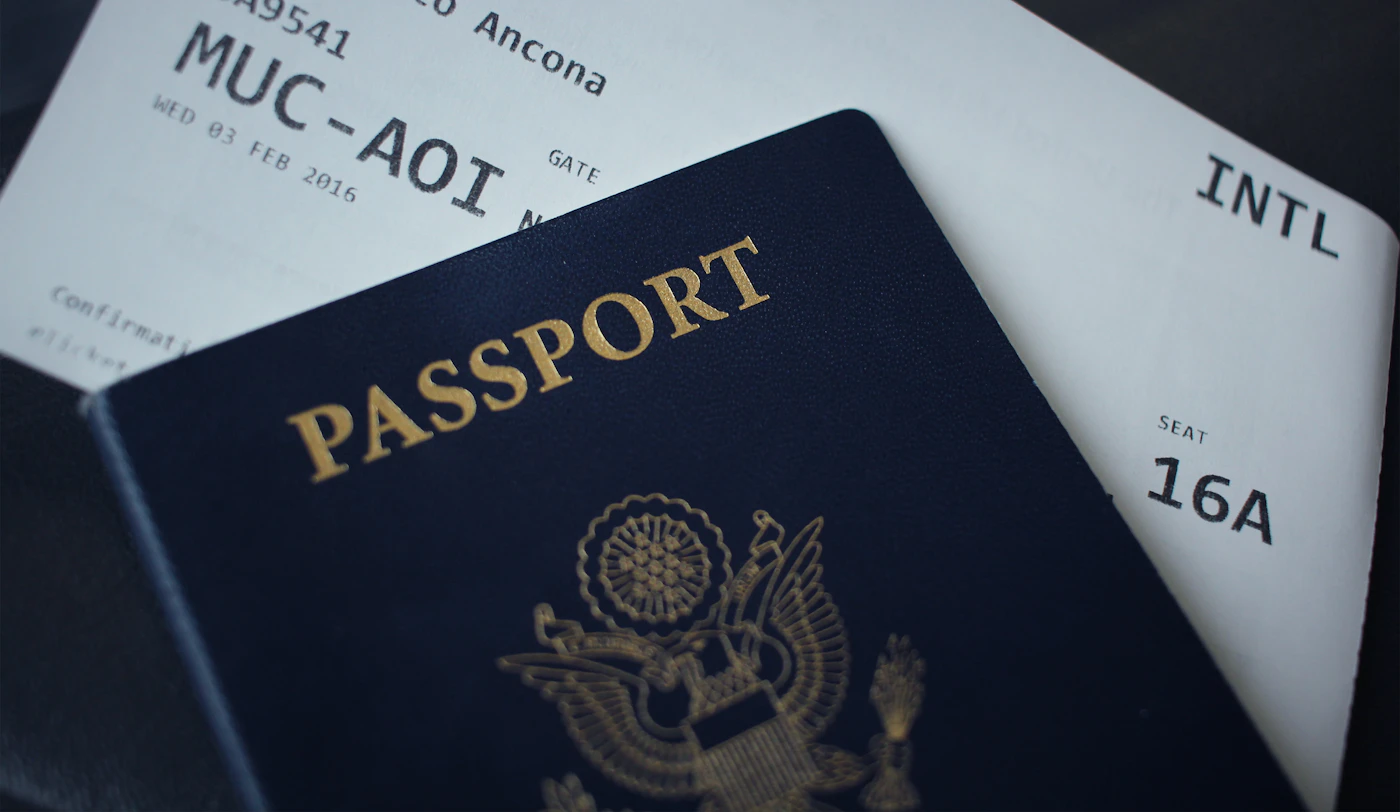
Rain can find its way into bags, pockets, and even sealed compartments faster than you expect. Before you pack anything else, separate the items that cannot get wet—your phone, passport, boarding passes, cash, and chargers. Set aside a dedicated pouch or bag for them so you are not digging through a wet backpack later.
For everyday use, a simple zipper-style plastic bag works well for a single phone or a passport. For larger items like a tablet, a spare battery, or a camera, choose a dry bag with a roll-top closure. These are not expensive, and they give you a reliable barrier against heavy rain or an accidental drop in a puddle. Keep one small dry bag in your daypack at all times, even if the forecast looks clear.
- Store chargers and cables inside a separate pouch within the dry bag so they do not tangle with your documents.
- Keep your phone in a waterproof pouch that allows touchscreen use, so you can still navigate maps or call a ride without exposing it to the weather.
- Carry a spare Ziploc bag for damp items like a wet umbrella or a soaked hat—this keeps everything else dry.
Before you leave your accommodation, back up important files. Take a photo of your passport, visa, and itinerary, then save those images to a secure cloud account or email them to yourself. Do the same for any digital documents you rely on for reservations. This takes two minutes and means a lost or soaked phone becomes an inconvenience, not a disaster.
If your electronics do get wet, do not turn them on or plug them in. Power them down, remove the case and SIM card, and let them air-dry fully. For anything more than surface moisture, consult a repair professional rather than attempting a fix yourself.
Pack A Personal Drying Kit For Everyday Comfort
Wet clothes and damp towels have a way of turning a practical trip into an uncomfortable one. A small drying kit takes up little space and gives you reliable options when the weather does not cooperate. You do not need specialized gear—just a few basics that fit easily in a side pocket or the bottom of a carry-on.
- A compact, quick-dry towel. Choose one made from microfiber or a similarly absorbent synthetic material. It packs flat, dries fast, and is more dependable than a borrowed hotel towel when you need to wring out a damp shirt or dry off after a sudden shower.
- A lightweight travel clothesline. Look for one with built-in hooks, loops, or a twist mechanism that grips without damaging surfaces. A cord with a coated metal core holds its shape and stays put in most bathrooms or over a shower rod.
- A few clothespins. Spring-loaded plastic or wooden pins are sturdy and replaceable. Bring four to six; that is usually enough to hang a couple of shirts, socks, or undergarments at once.
When you reach your room, scout out a spot with decent airflow. A bathroom exhaust fan works well for synthetics and thin cotton, especially if you leave the door slightly open. A balcony is better for heavier items—just secure everything firmly so a gust of wind does not send a sock into the street. Do not stretch knit fabrics over a rod; instead, fold them over the line to keep their shape. For faster drying, roll a damp item inside your dry quick-dry towel, press down, and then hang it. That simple step removes excess moisture without wringing.
Leave the hot hair dryer for touch-ups, not full drying sessions. It takes too long and can bake synthetic fibers. With this kit, you can handle a wet morning or an unexpected downpour without letting it derail your day.
Plan Your Days Around The Rain, Not Against It
Chasing a dry forecast in a rainy destination usually leads to frustration. A better approach is to build your daily schedule around the weather rather than trying to outsmart it. Check the local forecast each morning, but treat it as a guide, not a contract. Rain patterns often shift quickly, so a day that starts wet may clear by midday, and a sunny morning can turn grey by lunch.
Use the reliable windows to your advantage. Mornings are often drier in many coastal or mountainous regions, making them a good time for outdoor sights, walking tours, or open-air markets. Save indoor activities—museums, galleries, cafes, or shops—for the heavier afternoon showers. If the forecast looks uncertain, plan a primary outdoor destination and a nearby indoor backup within walking distance. That way, you can pivot without losing travel time.
Keep your daily plan flexible by carrying a small packable backpack. A lightweight daypack that folds into its own pocket means you are never stuck without gear, even if you leave your hotel under blue skies. Inside, keep the basics ready:
- A compact umbrella or a waterproof shell jacket
- A dry bag or zip-top pouch for your phone and wallet
- A light sweater or fleece for cooler indoor spaces
- A reusable water bottle and a snack, in case you detour
This setup lets you step out without hesitation, adjust your route on the fly, and stay comfortable through sudden changes. The goal is not to avoid rain altogether but to make it a manageable part of the day—never the reason you miss what you came to see.