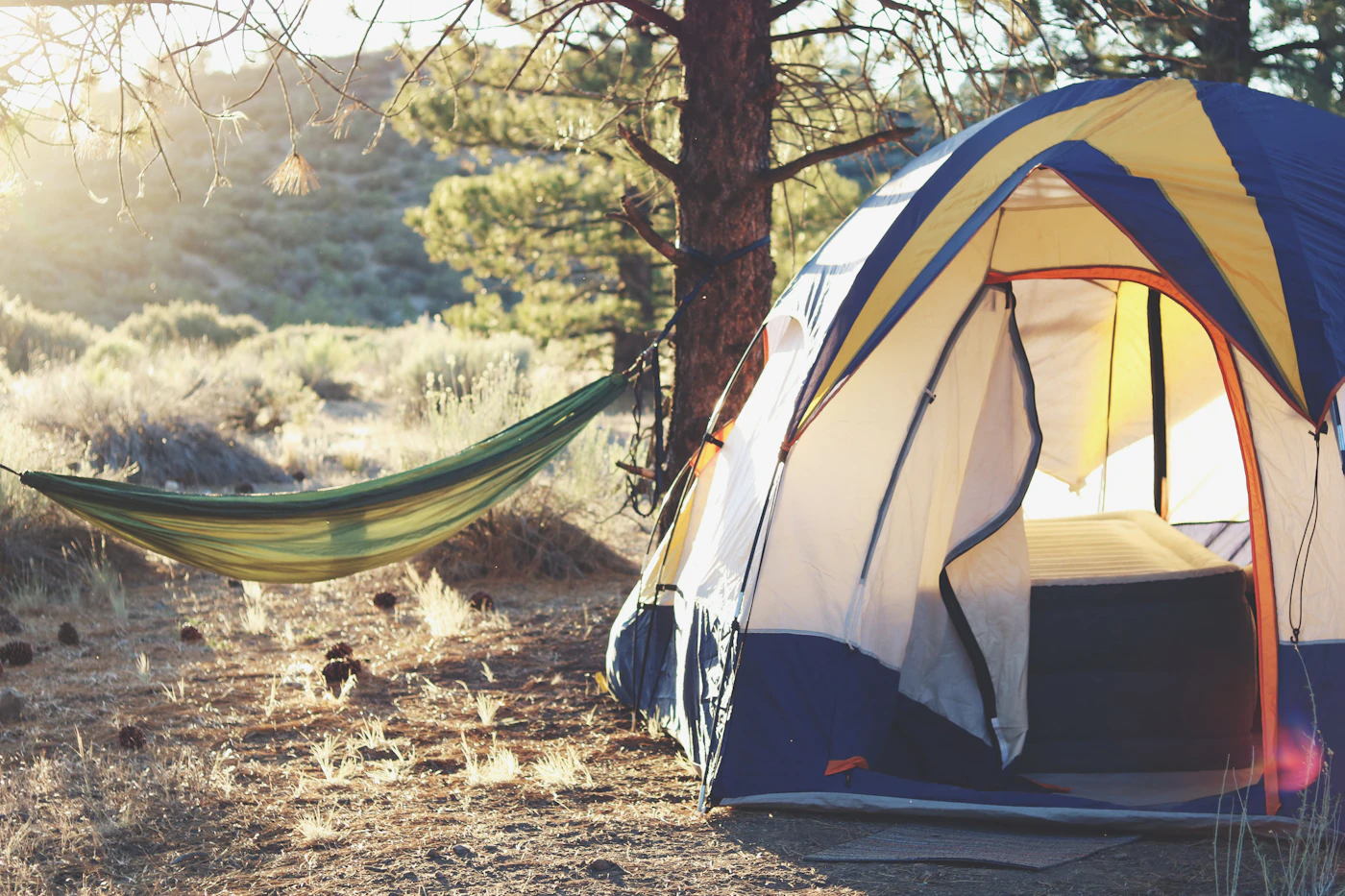
Start with a Camp-Site Layout Plan
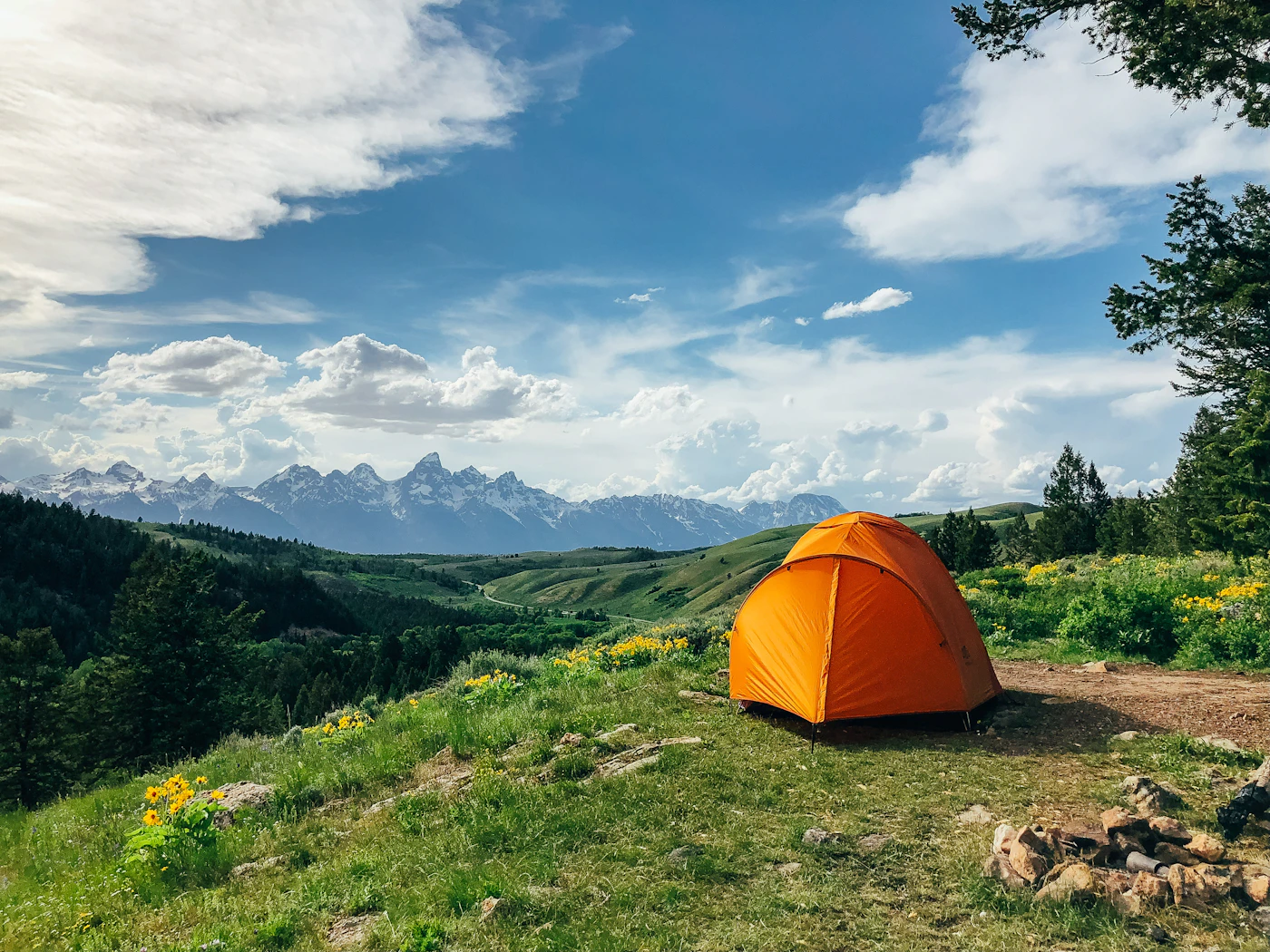
Before you pitch your tent, take a slow walk around your site. Look at where the sun hits in the morning, where the shade falls in the afternoon, and how the ground slopes. A little time spent imagining how you’ll actually move through the space will pay off all weekend. The goal is simple: give every activity its own corner so nothing piles up in the middle.
Think in terms of zones. You don’t need to mark anything with tape or flags—just assign a mental spot for each job.
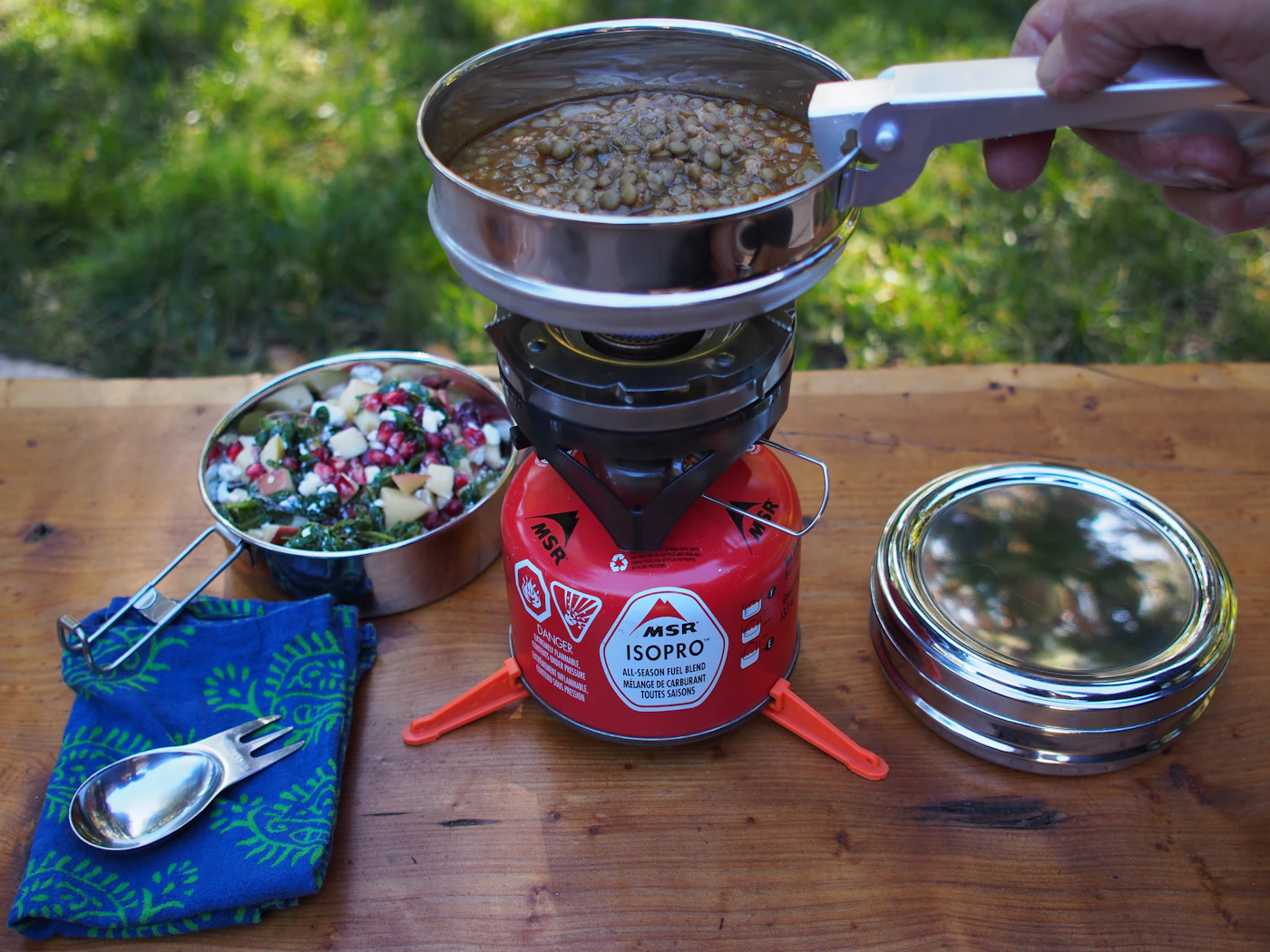
- Cooking and eating: Keep the stove, food bin, and trash bag together. This keeps crumbs and food scraps in one place and makes it far easier to wipe down a single flat surface after meals.
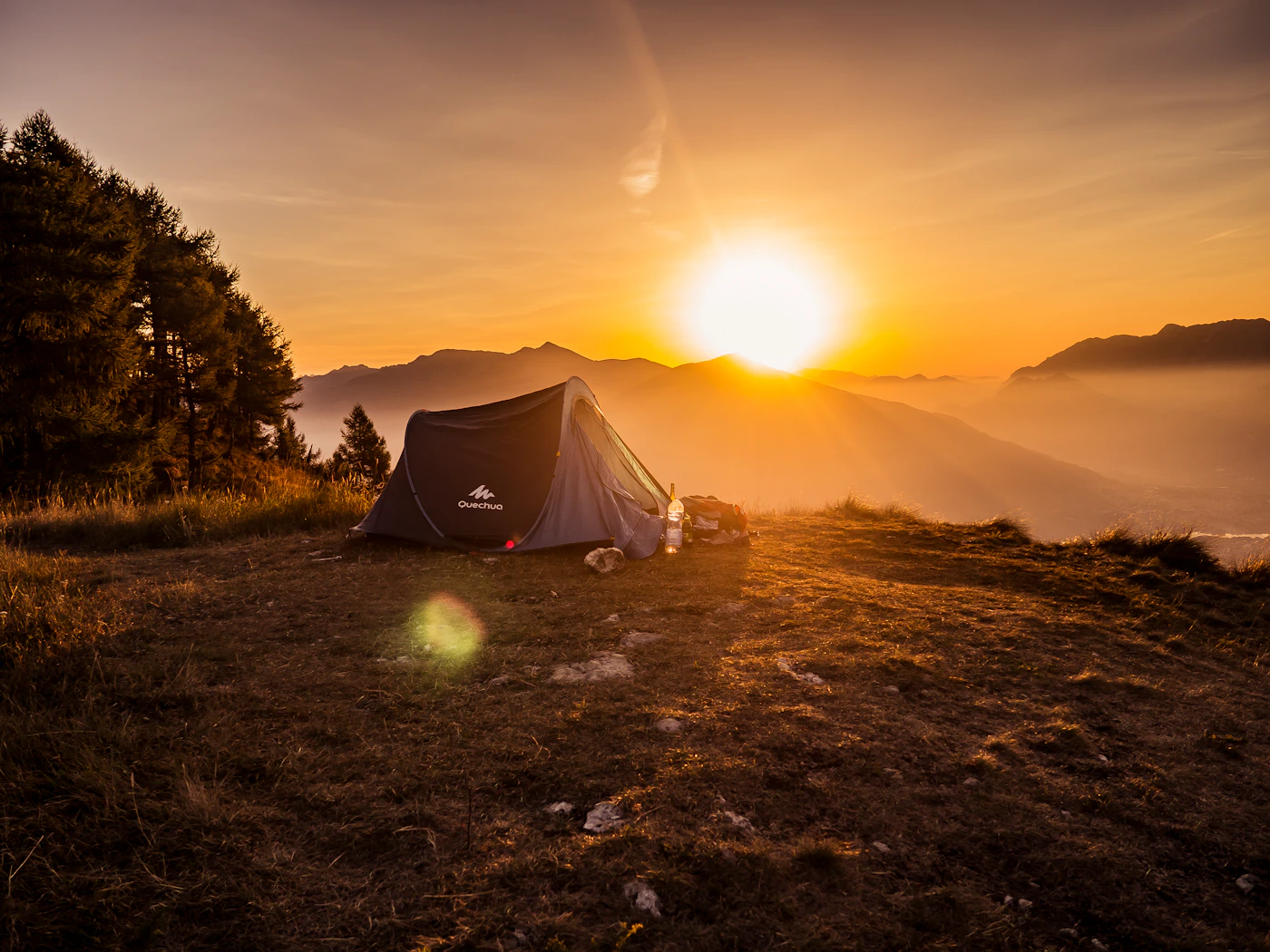
- Sleeping: The tent is for sleeping, changing, and storing soft gear like sleeping bags and pillows. Enforce a simple rule: no food inside the tent, and no muddy shoes past the vestibule.
- Gear and tools: Reserve one tarp or a clear patch of ground for coolers, camp chairs, and kitchen crates. When you arrive, unload everything there first instead of letting bags land wherever they fall.
Once those zones are set, stay consistent. Hang a small stuff sack from a tree hook for small items like lighters, keys, or a headlamp. Put the dishwashing tub at the edge of the site, not beside the fire ring. And always designate one bag as the “recycle and trash” bag, tied to a stake or looped around a table leg. If everyone knows where things belong from the first hour, tidying up becomes part of the routine rather than a bigger job saved for the last morning.
Adopt the 'One-Touch' Rule for Gear
The biggest messes at a campsite rarely happen all at once. They build up slowly: a water bottle left on the picnic table, a headlamp tossed next to the sleeping bag, a jacket draped over a camp chair. Each item seems harmless in the moment, but by the end of the trip, you are sorting through a pile of scattered gear just to find your coffee cup.
The simplest fix is the “one-touch” rule. When you finish using something, put it back in its designated spot immediately. That means the camp stove goes back in its case before you pour your morning coffee. The dish brush returns to the wash bin the second you are done scrubbing. The cord for your phone charger gets wrapped and tucked into your pack when you unplug it.
This habit works because it removes the decision-making step. You are not asking yourself, “Will I need this again in ten minutes?” You are simply following a routine. Over a two-day trip, this might save you only a few minutes of tidying. Over a week-long stay, it is the difference between a calm, organized basecamp and a chaotic one where you are constantly hunting for small essentials.
To make it stick, keep a clear home for each item:
- Dry goods and cooking tools live in the same tote or cooler area.
- Dirty clothes go straight into a stuff sack, not the tent floor.
- Maps, pocket knives, and flashlights have a single “daily use” pouch.
- Rain gear hangs on a dedicated line or hook, even if skies are clear.
It may feel unnatural for the first few uses, especially when you are tired. But once it becomes automatic, you will spend less time policing your own mess and more time actually enjoying the outdoors.
Use a Daily "Tidy Ten-Minute" Reset
The biggest reason a campsite gets out of hand is that small things pile up faster than you expect. A stray jacket here, a loose water bottle there, and a cutting board left on the picnic table—by day three, it feels like a lot of work to fix. The simple answer is to build two short, intentional walks into your day, one in the morning and one in the evening. Just ten minutes each is enough.
Treat this like a reset, not a deep clean. In the morning, do a slow lap around your site. Zip up tents and awnings, push chairs back under the table, and return any gear that got left out overnight to its proper spot. A quick sweep of the ground near the tent entrance catches sand, pine needles, and crumbs before they get tracked inside.
The evening pass is just as useful. Before you settle in for the night, walk the perimeter once more with a headlamp or torch:
- Pick up any trash or food scraps that missed the bin.
- Gather loose clothing, shoes, and camp chairs and tuck them under cover.
- Check that coolers, stoves, and water jugs are closed and sealed.
- Give the cooking area a final visual once-over for anything left on the ground.
This routine does more than keep things neat. It makes the site safer to move around in after dark, keeps animals from being attracted to stray food, and means you never spend a whole morning chasing down a misplaced item. The goal is simple: leave each reset with a site that looks almost like you just arrived. Ten minutes, twice a day, keeps the big cleanup from ever happening.
Keep a Dedicated "Kitchen Box" and Clean as You Cook
One of the simplest ways to keep a campsite from spiraling into chaos is to give every kitchen item a permanent home. Instead of digging through a duffel bag or the back of the car for a spoon or a bottle of oil, pack all your cooking and eating supplies into one sturdy, portable box. A plastic tote with a snug lid works well. Inside, use smaller containers or mesh bags to group items: one for utensils, one for spices and condiments, another for plates and cups. When you set up camp, place the box on the picnic table or on a clear patch of ground near your stove. Knowing exactly where everything lives cuts down on lost items and keeps cooking gear from wandering into the tent or the fire ring.
The second half of this habit is just as important: clean as you go. After you finish a meal, wash the dishes right away rather than letting them sit overnight. Fill a basin with warm soapy water, scrub each item, rinse, and dry with a towel before returning everything to the kitchen box. Put the box back in the car or close it tightly if you are staying multiple nights. This routine serves two purposes. It removes food scraps that attract ants, raccoons, or other wildlife, and it means you never start a morning facing a pile of dirty cookware. The ten minutes you spend at dusk will save you a longer, less pleasant task at breakfast.
- Keep a wash basin, biodegradable soap, and a drying towel inside the kitchen box.
- Store the box away from your sleeping area, ideally inside a vehicle or bear-proof locker if one is available.
- Wipe down the stove top and table surface after each use so crumbs do not linger.
This system is not complicated, but it is consistent. A tidy kitchen area makes the whole site feel more manageable, and it leaves you free to enjoy the fire, the view, or a quiet evening without hunting for a lost fork.
Create a "Fairy Ring" for Loose Items
Most campsite clutter doesn’t come from big gear. It comes from the small stuff you handle all day: your phone, keys, sunglasses, a lip balm, a pocketknife, or that stray carabiner you swear you just had. The problem is that these items tend to get set down wherever you happen to be standing, which means you’re constantly patting pockets and retracing steps.
A simple fix is to pick one spot near the campfire or picnic table and declare it the official home for loose items. You don’t need to buy anything. A bandana, a small towel, or even just a clear patch of bare ground works fine. If you want to make it obvious, arrange a few stones or a ring of pine cones around the area. The visual boundary helps kids and adults remember where things go.
Here are a few habits that make the system stick:
- Empty your pockets on arrival. When you get back to camp, drop your daily carry into the ring before you do anything else.
- Keep it small. Limit the space to about a foot or two across. Too big and it becomes just another pile.
- Reclaim before leaving. Make it part of your packing routine to sweep the ring each morning and before you head out for a hike.
This works best when the ring is within easy reach of where you sit, but not so close that it gets kicked into the dirt or buried under firewood. If you’re in a sandy area, a bandana or a stuff sack keeps items from disappearing into the ground. It’s not a magic system, but it does cut down on that familiar “where did I put my…” feeling.
Pack a “Camp-Site First Aid” and Trash Routine
Keeping a campsite tidy is less about a big cleanup at the end and more about small systems you set up before you leave home. Two simple kits can make all the difference: one for trash, and one for quick fixes.
For trash, use a small, dedicated bag—a reusable produce sack or a stuff sack works well—and clip it to your tent loop or a chair arm. Keep a second bag inside for recyclables, like clean cans and bottles. The goal is to make it easier to toss a wrapper or a fruit peel now rather than let it blow under the picnic table. Empty the bag into the campground’s designated dumpster or bear box each evening, and seal it tightly so smells don’t linger overnight.
For repairs and minor injuries, put together a separate pouch that stays in your vehicle’s door pocket or your camp kitchen bin. This is not your hiking first-aid kit; it’s specifically for campsite maintenance. Include:
- Adhesive bandages and a few antiseptic wipes.
- Duct tape wrapped around a pencil or old card.
- A small multi-tool with pliers.
- A couple of zip ties and a spare tent stake.
With these on hand, you can handle a torn guy line, a popped seam, or a scraped finger without tracking dirt into your sleeping area or spreading mess across the picnic table. When you use the tape or a bandage, take the wrapper straight to the trash bag so the cleanup stays one-step.
This routine works best if you check both kits when you pack up to leave. Restock what you used, and you’ll be ready for the next trip without thinking twice.