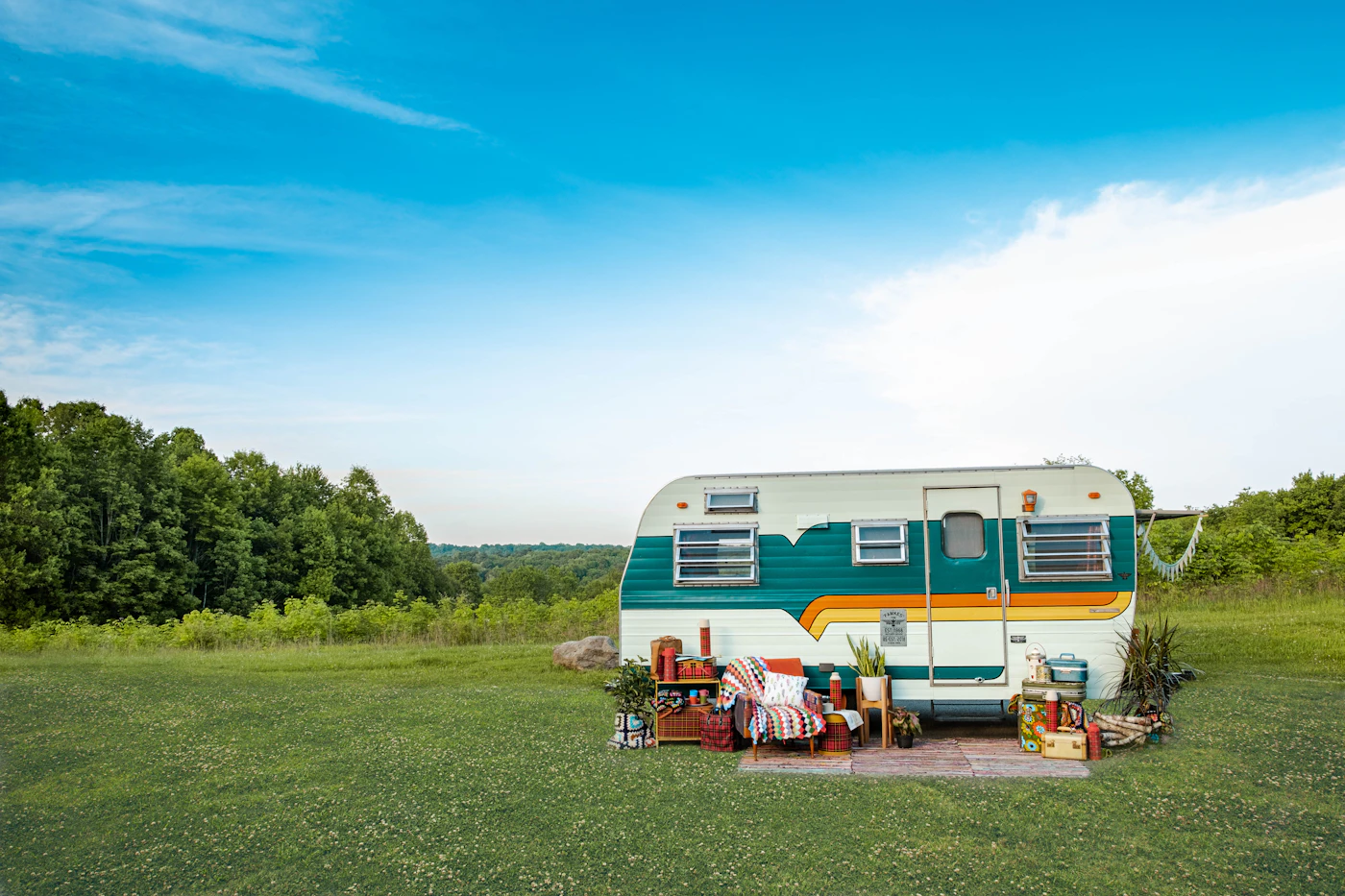
Why Tidy Matters More Than You Think
Keeping a clean campsite isn’t just about appearances, though a neat site certainly feels more welcoming after a long day outside. The real value of tidiness comes down to three practical areas: safety, comfort, and the health of the space you are using. When you treat your camp as a living area rather than a temporary drop zone, you reduce avoidable risks and make the whole trip run more smoothly.
Safety is the most immediate reason to stay on top of clutter. A loose tent stake, a stray guy line, or a misplaced knife can cause a nasty injury, especially after dark when visibility is low. Food scraps left out do more than attract flies—they can encourage raccoons, rodents, or insects to visit during the night, putting your food storage and sleep area at risk. A clean site means fewer surprises and fewer reasons to fumble around searching for gear when you need it.
Comfort follows closely behind. No one wants to kick a muddy boot into a tent, sit on a damp chair, or root through a pile of bags to find a headlamp. When your cooking area is wiped down and your gear is stored in the same spot each day, you spend less time hunting and more time relaxing. That predictability is what makes camp feel like home rather than just a patch of ground.
Finally, a tidy site leaves little trace on the environment itself. Clearing trash and food waste keeps the soil, water, and local wildlife in better shape for the next visitors. A simple daily routine—morning tidy, pre-dinner sweep, and final check before bed—keeps the workload small and prevents matters from building up. Handle it in short bursts, and keeping camp orderly becomes second nature instead of an overwhelming chore.
The Morning Sweep: Start With a Clean Slate
Mornings set the tone for the whole day at camp. Instead of tackling chores after breakfast or when the sun gets high, devote the first ten minutes to a simple reset. This short window keeps dirt and clutter from accumulating and makes packing up at the end of the trip far less stressful. A tidy site also discourages pests and keeps your gear in better condition for the long run.
Begin inside the tent. Unzip the doors and windows to let trapped moisture escape from the night. While the fabric airs out, give your sleeping bags and pads a chance to fluff. Shake out any loose dirt or debris before rolling them up loosely or hanging them over a nearby branch. This simple step reduces dampness and keeps your sleep system fresher for the nights ahead.
Next, move to the common areas. Wipe down the camp table and any cooking surfaces with a cloth or paper towel to remove crumbs, sticky spots, and morning dew. A quick pass prevents food residue from attracting ants and keeps prep areas clean for lunch. Then, do a trash sweep. Walk the perimeter of your campsite with a small bag and collect any wrappers, bottle caps, or bits of string that may have blown away overnight. Look under the chairs and around the fire ring, as these spots collect the most overlooked litter.
- Shake out blankets and towels to remove sand and plant matter.
- Stow loose items in a bin or bag so the site looks intentional, not scattered.
- Check that all food scraps are sealed in the cooler or bear-proof container.
This routine only takes a few minutes, but it keeps you ahead of the mess. You will spend less time cleaning later and more time simply enjoying where you are.
Meal Time: Clean as You Cook
Waiting until after everyone has eaten to face a pile of pots and plates makes camping chores heavier than they need to be. The smarter approach is to fold cleaning into the cooking process, so the mess never gets a chance to build up.
Set up a simple wash station before you start prepping food. A sturdy plastic tub with warm, soapy water for washing and a second tub with plain water for rinsing is enough for most trips. Keep a dedicated scrub brush and a small bottle of biodegradable soap near the tub. This setup means you can rinse a cutting board or drop a used spatula in as you go, rather than leaving items to crust over in the open.
Keep a large resealable bag or a lidded container right next to your prep area. Scrape vegetable peels, eggshells, and plate scraps directly into it as soon as they appear. This single habit removes the food odors that attract ants, raccoons, and flies before they even find your site.
- Wipe down the cooler lid and camp table after each meal, not just at the end of the day.
- Let washed dishes air-dry on a clean towel laid flat, not on the ground or a picnic table where dirt can splash up.
- Dry metal cookware with a cloth before stacking it; leftover moisture promotes rust and mildew in storage.
Drying dishes fully and immediately after rinsing also prevents the musty smell that develops when you pack damp items into a bin. A few minutes of attention during the meal means you close out the evening with the site already reset for breakfast and no extra cleanup session waiting for you in the dark.
Gear Zones: Everything in Its Place
The fastest way to turn a relaxing trip into a frustrating one is to have to dig through a pile of bags just to find the spatula. The fix is not more storage bins—it is a simple layout divided into three distinct zones. When every item has a designated home, you will spend less time searching and more time enjoying the view.
1. The Cooking Zone. This area is strictly for food prep and meals. Keep the stove, fuel, cookware, utensils, and food storage together on a flat, stable surface. If you use a cooler, position it within arm’s reach but slightly away from the stove’s heat. After each meal, wipe down the surface and return every item to its spot. This prevents crumbs from attracting wildlife and keeps your cooking tools from wandering into the sleeping area.
2. The Sleeping Zone. This is your sanctuary for rest, so keep it dry and free of food smells. The tent or tarp area should only hold your sleeping bag, pad, pillow, and a small headlamp. Make a light rule: no dirty shoes or cooking gear inside the tent. A small, separate “dry bag” near the entrance can hold a change of clothes or a book, so you are not fumbling in the dark.
3. The Lounging Zone. This is the shared communal space for chairs, games, and casual gear. A simple duffel or a designated corner for daypacks, jackets, and water bottles keeps things contained. Establish a habit of “10-minute tidy” each evening, returning loose items to their zone. It is a small routine that prevents the campsite from feeling like a crowded shed by day two.
For anything that requires electrical work, fuel-line repairs, or structural fixes to your tent, that is a job for a qualified professional, not a campsite improvisation. But for everyday organization, a little zoning goes a long way.
The Nightly Reset: A Quick Once-Over
The last hour of daylight is the best time to put the campsite to bed. A short, consistent routine prevents morning confusion and keeps wildlife from treating your space as a buffet. You do not need to deep-clean; you only need to reset the basics so tomorrow starts smoothly.
Work through the site in the same order each evening. Start with food and smellables. Everything that has an odor, including toothpaste, sunscreen, and cooking clothes, should go into a sealed container or your vehicle, depending on your storage setup. Do not leave coolers out, even if they are latched. A quick sweep of the picnic table and the ground around the fire ring catches stray crumbs and wrappers before they attract attention.
Next, tend to the furniture and gear:
- Fold or stack camp chairs under the table or in the vehicle so wind does not tip them.
- Check clotheslines and remove any damp towels or swimsuits.
- Shake out the tent footprint or entry mat to clear debris.
- Confirm that all zippers on tent doors and storage bags are closed.
Finish with a trash check. Take one slow lap around the perimeter of your site. Look under picnic tables, behind cooler lids, and near the fire pit. Small items like bottle caps, twist ties, and stray silverware are easy to miss in the dusk. Consolidate all trash into one tied bag and hang it or store it properly for the night.
This five-minute loop does not require a professional and works for most standard campsites. If you notice a food storage locker that doesn’t latch, a broken chair strap, or a utility hook that is loose, flag those for a maintenance visit rather than attempting a repair in the dark. A calm, predictable reset keeps the site serviceable for tomorrow and leaves you free to enjoy the evening without a mental to-do list following you to bed.
When to Call a Professional
While most campsite upkeep is straightforward, some situations call for more than elbow grease and a sturdy scrubbing brush. Recognizing the difference between a manageable chore and a job for someone with the right training and equipment can save you time, money, and a fair amount of frustration—not to mention keeping you safe.
Deep mud that has been churned into heavy, wet clay around a vehicle or tent footprint is a classic example. Home shovels and standard buckets can handle the surface layer, but once mud is packed several inches deep, the weight and suction make it a miserable, inefficient task. A professional with a power washer or a proper tow-and-spray setup can restore the ground without you exhausting yourself or accidentally stripping the topsoil.
Hazardous waste is the clearest case for professional help. If your campsite has been used for illegal dumping, or you uncover something that could be chemical, sharp, or biological in nature, stop immediately. Do not poke at it, try to move it, or bag it yourself. Your job is to mark the area clearly and contact the land management agency or a licensed disposal service. The same applies to an abandoned fire pit that contains unknown metal objects, broken glass, or pooled residue from melted plastics.
Call for backup when you notice:
- Large, saturated mud flats near water sources that require sediment control.
- Downed trees or heavy debris that blocks access to a dumpster or road.
- Overflowing vault toilets or septic issues you did not cause.
If you are unsure, treat the situation as needing a professional. Walking away and reporting it is rarely the wrong move—it is the responsible one.