Start With Your Driving Reality
The most elaborate roadside kit in the world is useless if it doesn’t match the way you actually drive. Before you buy a single item, take a honest look at your typical week behind the wheel. The goal is to build a kit that feels relevant, not like a prop you hope never to touch.
Begin with climate. If your region sees freezing winters, your kit needs different priorities than one built for a mild coastal commute. Cold weather demands extra layers, a sturdy ice scraper, and something to help with traction if you park on a slope. Hot climates, on the other hand, call for extra water and sun protection, as well as items that can tolerate heat without degrading.
Next, consider trip length and route. A short city commute with gas stations and help nearby allows for a lighter setup. Long rural stretches or frequent highway driving change the calculus entirely. When help is far away, a bit more self-sufficiency becomes practical.
Finally, factor in your vehicle type. A sedan, a truck, and an electric car each have different towing points, tire sizes, and storage quirks. What fits in a hatchback may not suit a coupe, and what a truck can carry may be overkill for a compact.
Use these simple questions to guide your choices:
- What is the coldest or hottest temperature my car will sit in this year?
- What is the longest distance between fuel stations or towns on my usual routes?
- Do I carry passengers, children, or pets regularly?
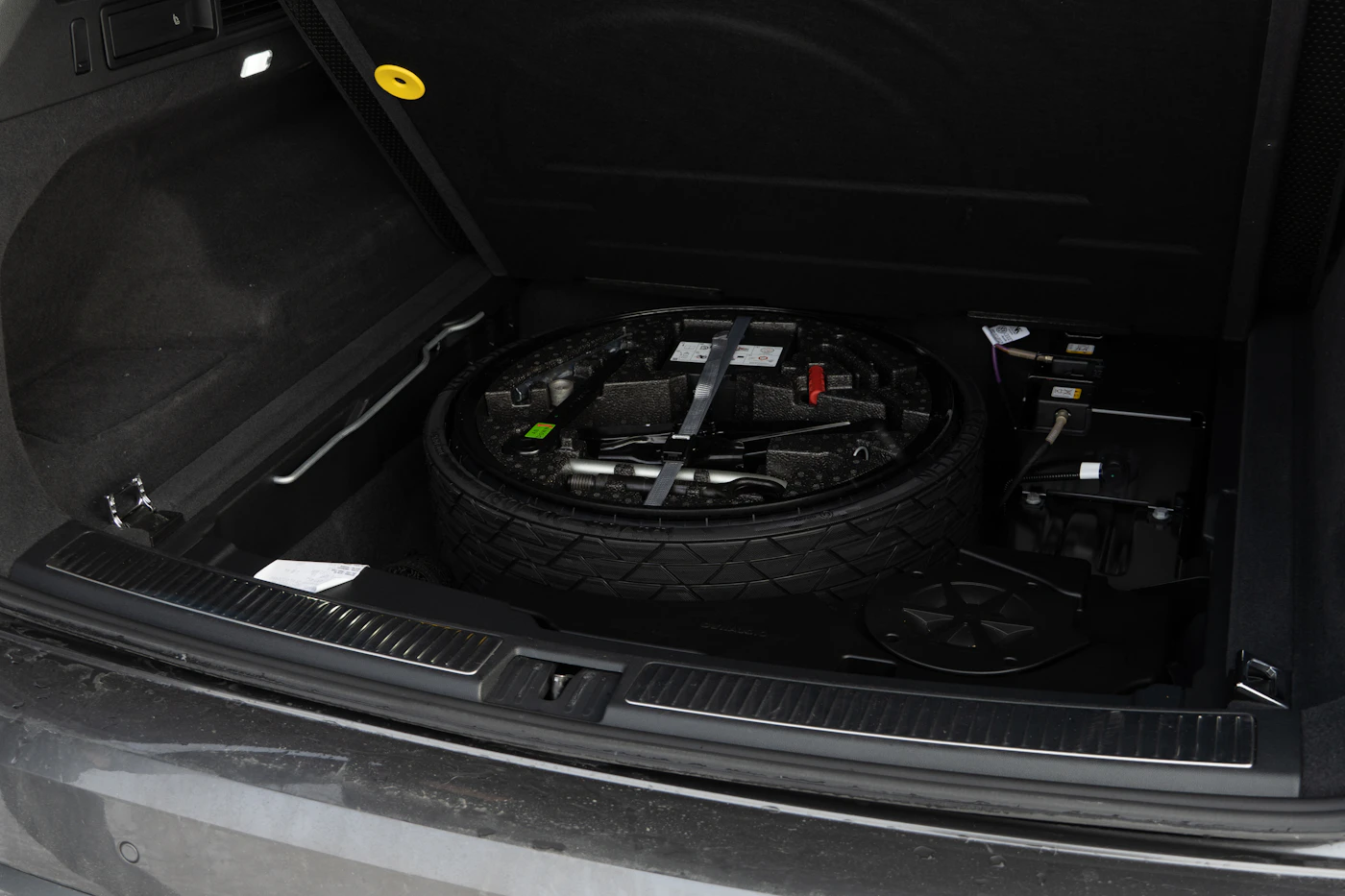
- Does my vehicle have a spare tire, or does it rely on a repair kit?
Answering these honestly will keep your kit focused, practical, and genuinely useful when the unexpected arrives.
The Core Fluids and Basic Tools
For the vast majority of everyday roadside situations, the problem is rarely dramatic. More often, it is something simple: a low fluid level, a loose connection, or a part that has worked its way free from vibration. A compact set of essentials can turn a frustrating wait into a ten-minute fix. The goal is not to rebuild an engine, but to address the common, preventable issues that leave drivers stranded.
Start with fluids. A one-gallon jug of distilled water is a stable, inexpensive addition for topping off a radiator in an emergency, though it should never be used to dilute antifreeze as a long-term solution. A quart of engine oil is another sensible carry, as many older vehicles consume a small amount between changes. For brakes and power steering, the situation is different; unless you know the exact specification for your vehicle, adding the wrong fluid can cause more harm than good. Leave those sealed.
Beyond fluids, a few basic hand tools cover a surprising range of minor tasks:
- A pair of pliers with a comfortable grip, useful for tightening loose battery cable clamps or removing a stuck gas cap.
- A flashlight with fresh batteries, kept in the cabin rather than the trunk, where it can freeze in winter.
- A pocket knife or multi-tool for cutting trim, opening boxes, or trimming a frayed weather seal.
- A roll of electrical tape to temporarily insulate a chafed wire or secure a loose hose.
These items are for observation and gentle correction. If a fluid level is low but the leak is active, or if a cable is corroded rather than just loose, that is a signal to call a professional. The kit’s true value lies in its simplicity—it helps you see, secure, and top off, not rebuild. With these basics on hand, the roadside becomes a more manageable place.
Visibility and Signaling: Be Seen, Be Safe
When your car stops unexpectedly, your first job isn’t fixing the problem—it’s making sure other drivers see you in time to react. A roadside kit that covers visibility turns a tense situation into a manageable one, especially at dusk or in poor weather.
Start with the basics: a reflective warning triangle or two, placed a sensible distance behind your vehicle. Many kits include them, but they’re easy to overlook until you need one. A high-visibility vest is another small item that makes a real difference when you’re outside the car, whether changing a tire or simply walking to a safer spot. Keep it within reach, not buried under cargo.
For signaling, a sturdy flashlight with fresh batteries is non-negotiable. Choose one with a flashing mode—it catches attention far better than a steady beam. A handheld LED beacon or a simple chemical light stick offers a backup that works without power and stores for years. If you carry a phone, a portable power bank is wise, but don’t rely on it as your only distress tool.
- Reflective triangles or flares (check expiration dates on chemical flares)
- High-visibility vest for each regular passenger
- Flashlight with spare batteries, plus a backup light source
- A whistle—an inexpensive, reliable way to signal for help
A bright cloth or bandana tied to your antenna or door handle can also alert passing motorists. These checks require no mechanical skill—just a few minutes to confirm each item is present, charged, and accessible. What you’re really doing is removing guesswork before the moment it counts. The goal is simple: be seen from a distance, and be able to ask for help without depending on a signal bar.
Tire Troubles: A Practical Approach
Before you buy anything for a roadside emergency, it helps to be honest about your own comfort level. A driver who has never changed a spare will have different needs than someone who regularly does their own maintenance. The goal is not to own every gadget available, but to carry gear that fits your skills and the kinds of trips you actually take.
Start with the basics that require no mechanical confidence. A reliable pressure gauge is a small investment that pays off every month. Learn to read it correctly and check pressures when tires are cold, as heat from driving raises readings. Keep a flashlight or headlamp where you can reach it without digging through the trunk, and make sure its batteries are fresh. A pair of work gloves protects your hands when handling a dirty tire or roadside debris.
For those willing to handle a simple swap, carry a properly rated jack and a lug wrench that fits your wheels. Test these once in your driveway so you know they work and you know where the jack points are located. Practice loosening lug nuts while the tire is still on the ground; a wheel that spins freely makes the job much harder. Never place any part of yourself under a car supported only by a jack.
- For basic confidence: gauge, gloves, flashlight, and a phone charger.
- For moderate skill: add a spare tire, jack, and lug wrench you have already tried.
- For limited mobility or short commutes: consider a temporary sealant designed for small punctures, but understand it is a short-term fix, not a repair.
If you are unsure whether a tire can be safely driven on, or if you have never used a jack, call a professional roadside service rather than guessing. Knowing the limits of your own setup is the smartest part of any kit.
Comfort and Communication on the Side of the Road
Once the car is safely off the travel lanes and your hazard lights are blinking, the next priority is simply waiting well. A little forethought here can turn a stressful delay into a manageable pause. Think of this part of your kit as the difference between passing time productively and counting every minute.
Start with a basic comfort layer. A reflective safety vest is essential for being visible to passing traffic, especially at dusk or in poor weather. Beyond that, pack a lightweight blanket or a fleece throw—not just for cold months, but for the chill that can settle in when you are stationary and anxious. A pair of work gloves protects your hands if you need to touch a hot hood or a dirty tire, and a sturdy rain poncho takes up little room but offers a great deal of relief in an unexpected downpour. A folding camp stool or a heavy-duty tarp can keep you off wet pavement.
For the communication side, your smartphone is the obvious starting point, but it should never be your only option.
- Keep a dedicated, fully charged power bank in the kit, along with the appropriate charging cable for your phone.
- A simple, paper map of your region is a reliable fallback if you lose service or battery.
- Write down your roadside assistance provider’s phone number and your policy number on a small card. Do not rely on your phone’s memory for this.
- Consider a battery-operated or hand-crank emergency radio, which can provide weather updates and news if you are waiting for a long time.
These items do not require any special skill to use, but they do require a quick inventory check twice a year. Set a reminder to confirm your power bank holds a charge and that no one has borrowed the blanket. It is the simplest part of the kit to maintain, and often the one you will be most grateful for.
Seasonal Adjustments and the Final Assembly
A roadside kit that serves you well in July can feel incomplete by January. As the seasons turn, take ten minutes to swap out a few items so your kit matches the weather ahead. In summer, add extra water, a wide-brim hat, and sunscreen. In winter, include a small folding shovel, a bag of sand or cat litter for traction, and an ice scraper with a brush. Swap thin work gloves for insulated ones, and consider adding a wool blanket if your usual emergency blanket feels too light for freezing temperatures.
Once your seasonal adjustments are in place, it is time for the final assembly. The goal is simple: everything should be easy to reach and quick to identify. Use a sturdy container with a secure lid, and group items inside clear, labeled pouches or small bins. Keep the most-used pieces, like the flashlight, multitool, and phone charging cable, in an outer pocket or on top. Everything else can sit below in organized layers.
Make a habit of a quick visual check every few months—no need to unpack everything, just confirm the seals are intact and nothing looks damaged or expired. Leave repairs and mechanical checks to a qualified professional. Your role is to keep the kit orderly and logical. When you can find what you need without rummaging, the kit becomes something you trust rather than a jumble of supplies you hope you never have to open.