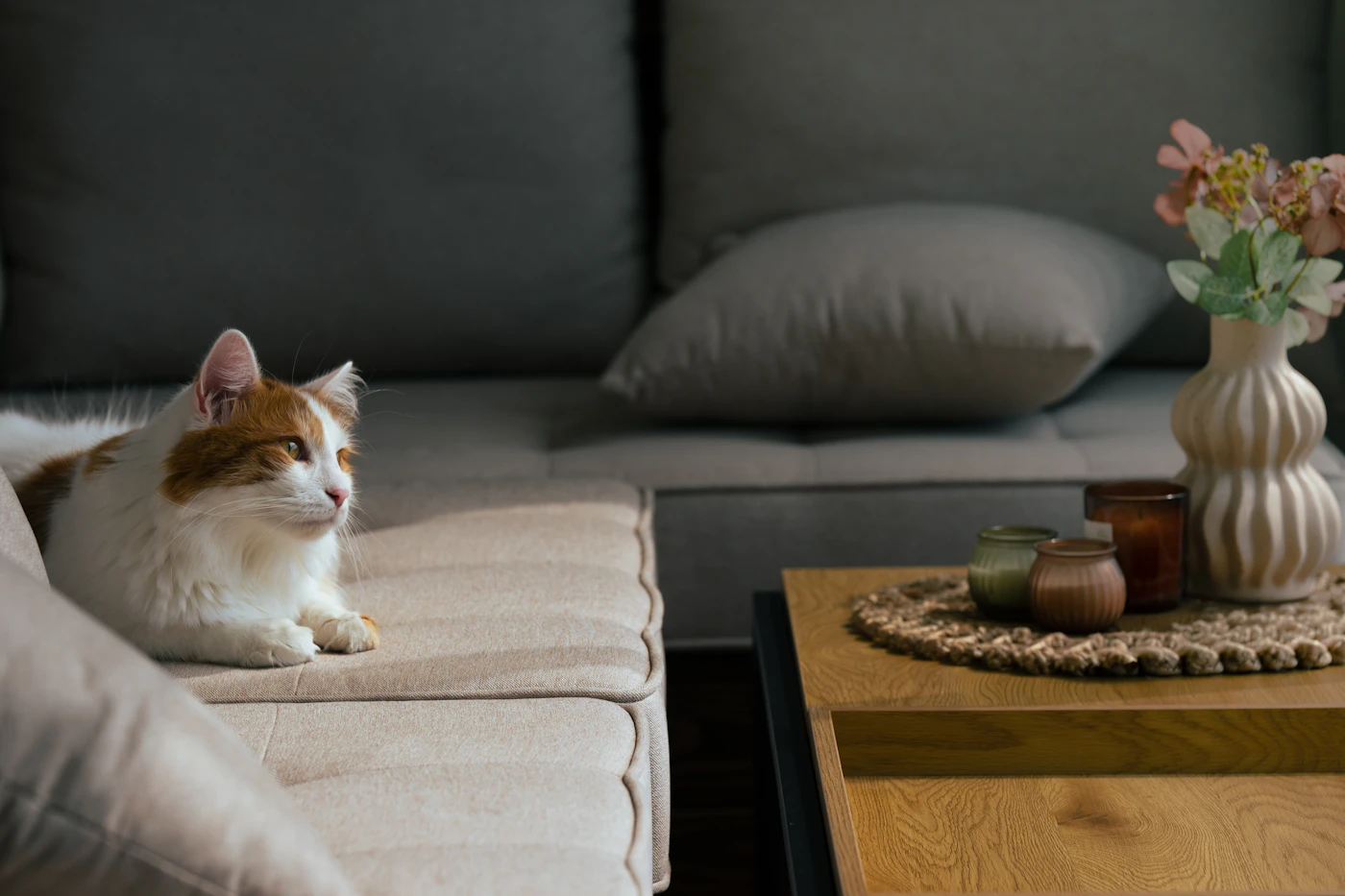
Start with a Pet-Friendly Mindset, Not Perfection
Before you reach for another cleaning spray, take a breath and adjust your expectations. A home shared with a dog or cat is not a showroom. It is a living space, and living spaces show it. Fur drifts into corners, paws track in a bit of mud, and the water bowl leaves a ring on the floor. These are not failures. They are the honest evidence of a full life, and they have a way of softening a room in a way that makes it feel like home.
The goal is not to eliminate every trace of your pet. The goal is to keep the mess from becoming overwhelming. That shift in thinking changes everything. When you stop chasing spotless, you free yourself to build a rhythm that actually holds up on a busy week.
Here are a few ways to set a realistic standard from the start:
- Designate a landing zone. Keep a towel and a shoe tray by the door where you can wipe paws and catch loose dirt before it travels deeper into the house.
- Slow down on the “deep clean” guilt. A quick daily sweep or vacuum in high-traffic areas often does more for your sanity than a marathon scrub on the weekend.
- Choose surfaces that forgive. Washable throws, machine-washable rugs, and slipcovers make routine cleanups far less stressful.
- Remember that routine beats perfection. A little effort on a consistent schedule will always outlast a frantic, infrequent overhaul.
Give yourself permission to let the place be lived in. When the goal is manageable, not flawless, you will find your home stays comfortable for everyone—including the four-legged residents who make it feel complete.
Daily Five-Minute Reset: Small Habits That Prevent Buildup
The secret to a tidy pet-friendly home is not a weekend deep-clean marathon. It is the small, consistent reset performed each day. When you spend just a few minutes tackling the high-traffic zones, you stop the steady accumulation of fur, dust, and stray kibble before it becomes a project.
Think of this as a quick sweep, not a renovation. Start with the floor where your pet spends the most time. A light pass with a broom, dustpan, or a cordless vacuum over the main walkway and around the food bowls makes a noticeable difference. You do not need to move furniture or reach under cabinets; the goal is simply to collect the surface layer of hair and tracked-in grit.
While you are down there, glance at the water bowl. A quick rinse and refill takes less than a minute and keeps the water fresh and appealing. It also prevents the slippery film that builds up along the rim. Follow this with a quick fluff of your pet’s bedding. Giving the bed a shake and smoothing the fabric redistributes the filling and lifts loose hair so it can be vacuumed later.
Finish with a once-over of surfaces. Wipe down the kitchen counter near the feeding station and any low tables or ledges where your pet likes to rest. A damp cloth is enough to catch dust and dander.
- Sweep or vacuum high-traffic paths daily.
- Rinse and refill water bowls each morning.
- Fluff beds and shake out loose fur.
- Wipe down feeding zones and resting ledges.
Consistency beats intensity here. A few focused minutes each day keeps the home feeling fresh, and the habit becomes so routine that it never feels like a chore. For deeper stains, odor control, or any issues with your pet’s health or behavior, consult a qualified professional. But for everyday tidiness, this simple reset is more than enough.
Weekly Deeper Clean: Tackling Hair, Odors, and High-Touch Zones
Once a week, set aside a short block of time—perhaps while your morning coffee brews or a favorite show plays—to address the areas that gather the most pet wear. The goal is progress, not perfection, so think of this as a series of small, manageable tasks rather than one marathon session.
Start with the laundry. Pet bedding, removable couch covers, and even your own frequently used throw blankets collect hair and oils that daily brushing cannot fully remove. Wash these items on a gentle cycle using your regular unscented detergent, if possible. While the washing machine runs, move to the feeding station. Empty and wash food and water bowls in hot, soapy water, then wipe down the surrounding floor or mat to catch stray kibble and splashed water.
Next, give upholstery and rugs some attention. A vacuum with a hose attachment works well for couches, chairs, and stair runners. Focus on the seams and corners where fur tends to gather. For rugs, a slow, deliberate pass with the vacuum pick-up more embedded hair than a quick once-over.
- Use a rubber squeegee or a damp rubber glove to lift hair from fabric before vacuuming.
- Spot-clean any visible marks on rugs with a mild, pet-safe cleaner, testing an inconspicuous area first.
- For lingering odors, sprinkle baking soda over dry rugs, let it sit for about 15 minutes, then vacuum thoroughly. Avoid heavily scented chemical deodorizers that may irritate a pet’s sensitive nose.
Finally, wipe down high-touch zones like door handles, light switch plates, and the area around your pet’s favorite resting spot. A microfiber cloth with a little water or diluted mild soap does the job. If you notice persistent stains, strong smells, or any signs of skin irritation on your pet, reach out to your veterinarian for guidance rather than attempting deep treatments on your own. By breaking these tasks into small blocks, you keep the home fresh without turning the chore into an all-day event.
Monthly Refresh: Maintaining a Healthy Scent and Base
While daily and weekly habits handle the visible fur and obvious messes, a true pet-friendly home benefits from a slower, deeper layer of care. Setting aside an hour or two each month prevents odors and dander from settling into the fabric of your space. The goal is not perfection, but a noticeable, lasting freshness that survives the everyday comings and goings of your four-legged family members.
Start with the items that touch your pet most. If your dog or cat has a favorite bed or cushion with a removable cover, launder it according to the manufacturer’s tag—usually on a gentle cycle. While the cover is in the wash, take the inner foam or stuffing outside for a good airing. Direct sunlight and a light breeze do more for neutralizing odors than any spray. The same logic applies to sturdier accessories like canvas toys or padded mats; a few hours in the open air works wonders.
Next, look low. Pet hair and tracked-in grit accumulate under sofas, armchairs, and beds far more than we realize. Move lightweight furniture pieces aside and give the baseboards and flooring a thorough sweep or vacuum. This is also the moment to rotate any floor cushions or pet rugs so they wear evenly and dry out fully between cleanings.
Finally, refresh your entryway. Wipe down the interior of the door, the handles, and any mats with a pet-safe cleaner. A simple weekly basket swap of muddy towels and a monthly deeper clean of the area can dramatically reduce what gets tracked deeper into the home. These small, consistent actions keep allergens in check and make your whole house feel lighter, without turning your routine into a second job.
Seasonal Systems: Adapting Your Routine as Needs Change
A pet-friendly home is rarely a static project. As the seasons turn, your dog or cat’s needs shift, and so does the mess that comes with them. Instead of fighting these changes, a practical routine works with the calendar, anticipating what is ahead rather than reacting to it.
Higher-shed periods, often tied to temperature shifts, are a good time to add a quick daily pass with a lint roller or a reusable rubber brush over your pet’s favorite spots. This small act keeps fur from settling deep into upholstery. You do not need to deep-clean more often; you simply need to remove the loose hair before it becomes embedded. Keep a dedicated brush near the door or couch so the habit is easy to start.
Wet weather brings its own set of simple adjustments. A washable, absorbent mat placed just inside the entryway catches a surprising amount of mud and moisture. Pairing that with a quick towel-dry of paws before your pet is allowed further inside will protect floors and rugs. In slushy or rainy months, consider keeping a set of old towels in a basket by the door, so you never have to hunt for one mid-dash.
Finally, revisit your pet’s gear seasonally. A lighter, quick-dry collar or harness for summer, and a heavier, easier-to-clean option for muddy months, can reduce the grime tracked through the house. Swap out bedding for more washable fabrics when the weather turns, and you will find that maintaining a tidy space becomes less about constant effort and more about having the right tools ready when your pet’s habits change.
Smart Storage and Pet Zones That Keep Clutter at Bay
The secret to a tidy pet-friendly home often comes down to location. When every leash, toy, and treat has a clear home, the daily reset takes minutes rather than an afternoon. The goal is not perfection, but a system that works with your pet’s natural habits instead of fighting them.
Start by observing where your pet actually spends time. If your dog greets you at the back door, that is where the leash should live—on a sturdy hook at your height, not buried in a mudroom basket. For cats, consider keeping food and water bowls in a quiet corner away from high-traffic walkways, which also makes sweeping and wiping easier.
- Designate a toy basket in each room where your pet plays. A simple, open-topped bin encourages quick toss-ins and prevents toys from migrating under furniture.
- Use a caddy for daily supplies. A small handled container for wipes, poop bags, and a brush keeps essentials portable and off countertops.
- Store food in airtight containers on a low, accessible shelf. This keeps kibble fresh, discourages pests, and makes feeding time straightforward.
Think about cleaning as part of the routine, not a separate chore. Keep a handheld vacuum or lint roller in the room where your pet sheds the most. When you see the accumulation, you can address it in thirty seconds. Washable covers on sofas and machine-washable pet beds also reduce the visual weight of fur and dander.
Finally, avoid over-organization. A labeled bin for every single item can feel like a second job. Instead, commit to one simple rule: if it takes longer to put away than to use, the storage spot is wrong. Adjust as your pet ages or your space changes. A system that feels easy is the one you will actually maintain. If you notice any sudden changes in your pet’s eating or toileting habits, always consult your veterinarian for guidance.