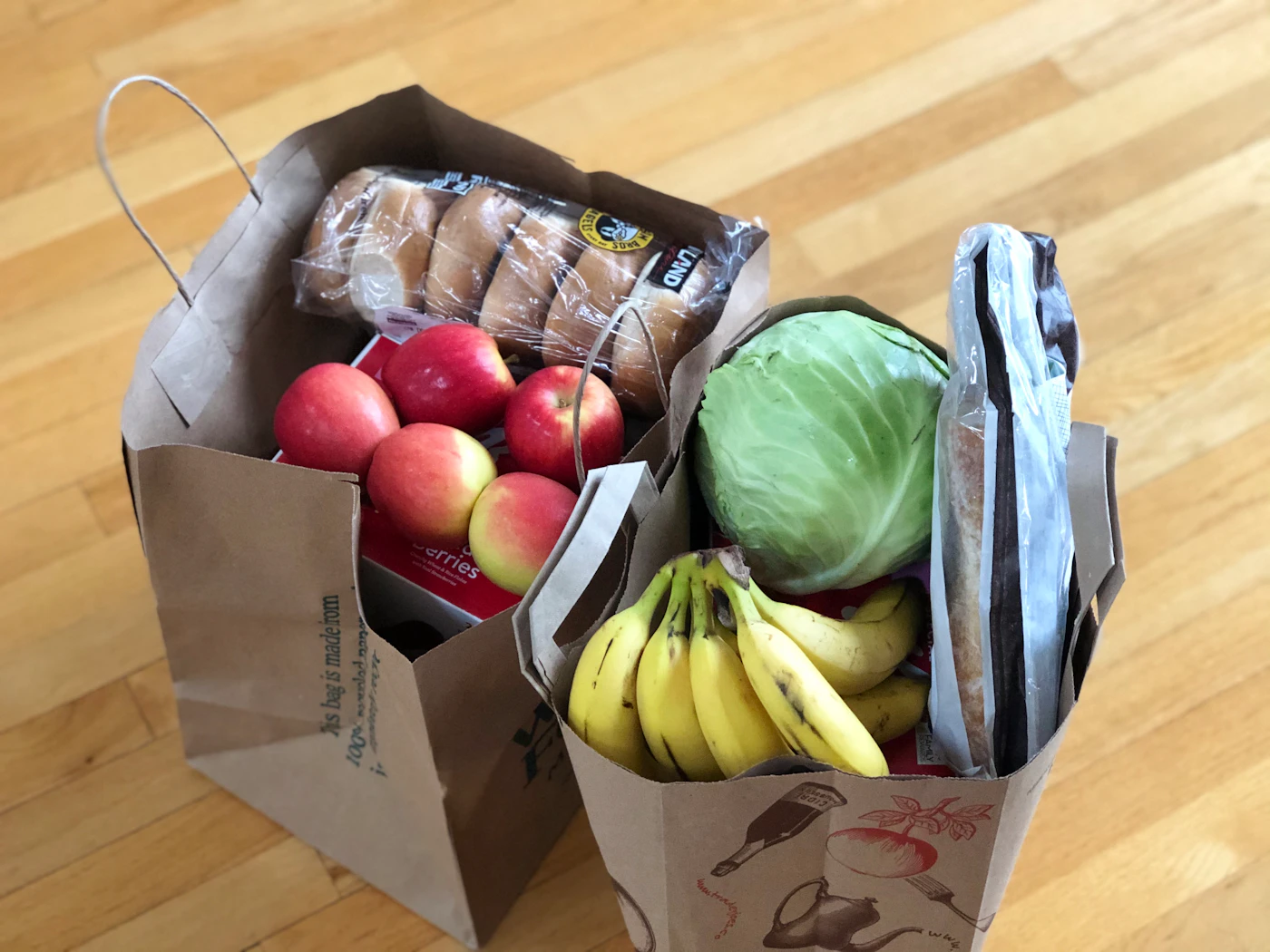
Start With a Realistic Weekly Plan
The root of most food waste is not carelessness; it is optimism at the grocery store. You buy vegetables for meals you intend to cook, but the week gets busy. The plan falls apart, and the produce wilts. The fix is not to buy less food overall, but to plan around your actual week, not an ideal one.
Before you write a list, take a hard look at the next seven days. Count the dinners you will genuinely be home to cook. If Wednesday is a late meeting and Friday is takeout night, do not schedule a from-scratch meal for those evenings. Plan for those nights with quick, forgiving options, or plan to use leftovers. Structure your list around those honest gaps.
When you do sit down to plan, follow a simple workflow:
- Check your fridge and pantry first. Note what is already half-used or nearing its date. Build meals around those items before adding new ones.
- Choose recipes that share ingredients. If one dish needs half a bunch of parsley, find a second dish that uses the rest.
- Write your shopping list by category, not by recipe. Grouping produce, dairy, and proteins stops you from double-buying.
- Include a "flex night" on the list. A meal that uses whatever needs using, such as a frittata or stir-fry, gives you a built-in safety valve.
Finally, commit to buying only what is on that list. If a sale item catches your eye, ask yourself whether it fits into the week you just mapped. If it does not, leave it. A plan that reflects your real schedule, not your aspirations, will consistently reduce what ends up in the bin.
Store Food the Right Way, Right Away
The first hour after unpacking groceries sets the tone for the whole week. A little sorting at the start prevents the sad-bin-of-wilted-lettuce problem later. The goal is simple: match each item to the environment it prefers, not just shove everything into the crisper drawer.
Start with produce. Leafy greens and fresh herbs stay crisp longer when they are dry and loosely wrapped. A quick spin in a salad spinner or a pat with a clean towel before storing makes a noticeable difference. Keep them in a container or bag with a slightly open corner for airflow.
Fruits fall into two groups for practical purposes:
- Ethylene producers like apples, bananas, and tomatoes ripen others around them. Keep them separate from sensitive items.
- Ethylene sensitive items like leafy greens, berries, and cucumbers turn brown or mushy when stored next to those producers.
Dairy thrives on consistent cold, not the fluctuating temperatures of the refrigerator door. Milk, yogurt, and cheese keep better on a middle or lower shelf toward the back. The door is best reserved for drinks, condiments, and eggs if you use them quickly.
Grains and flours need airtight containers to keep out moisture and pantry pests. Move opened bags of rice, pasta, and flour into glass or sturdy plastic jars. If you buy in bulk, consider storing portions in the freezer for a few days before moving them to the pantry—this interrupts any insect eggs without affecting the food itself.
Before you put anything away, do a quick check of what is already in the fridge. Tuck new items behind older ones, and make a mental note of what needs eating first. That ten-second habit prevents buying another jar of something you already have half-finished.
Check Your Fridge and Pantry Before You Cook
The most common reason food goes bad isn’t poor cooking—it’s poor visibility. When you plan a meal without looking at what you already own, you end up buying a second jar of cumin, a third bag of spinach, or a duplicate block of cheddar that was shoved behind the yogurt. A quick inventory before you shop or start cooking solves this before it becomes a problem.
Start with the fridge, not the pantry. Move items to the front so you can actually see them. Ask yourself three questions:
- What needs to be eaten within the next day or two? (Leftovers, cut produce, opened dairy)
- What is frozen that could be defrosted tonight? (Proteins, bread, cooked grains)
- What is nearly empty and could be used up as a secondary ingredient? (Half a jar of salsa, a few spoonfuls of tomato paste, the end of a bag of shredded cheese)
Then check the pantry for shelf-stable ingredients that can round out a meal: rice, pasta, canned beans, broth, or nuts. Pair the most perishable items with the pantry staples you already have. If you find three sad carrots and a half-used can of chickpeas, you have a side dish or a quick curry base—not a problem.
Keep a running list on your phone or on the fridge door. When you notice something is low, add it before you run out. This simple habit prevents buying things you didn’t need and reminds you to use what you have first. The goal isn’t a perfectly organized kitchen—it’s knowing what is actually there so you can cook with intention, not guesswork.
Use the "First In, First Out" Rule
The most common reason food goes bad isn’t spoilage—it’s being buried. New groceries land in front, older items get pushed to the back, and by the time you clear the shelves, you’re tossing half-used jars and wilted produce. The fix is a simple habit borrowed from commercial kitchens: first in, first out (FIFO).
Start in the fridge. When you bring home a new carton of eggs, a bag of shredded cheese, or a container of yogurt, move the older one to the front, at eye level, and slide the new purchase behind it. Do the same with leftovers—place yesterday’s container in front of today’s. The goal is to make the soonest-to-expire items the easiest to see and grab.
The pantry works the same way, with a few extra steps for dry goods:
- Decant bulk items like rice, flour, and oats into clear, labeled containers so you can see what’s inside at a glance.
- When refilling, pour the leftover into the new container first, then top it off with the fresh batch, or simply place the older bag in front.
- Keep a dedicated "eat next" shelf or basket for cans, boxes, and jars with the nearest dates. This is your quick-grab zone for meal prep.
Be honest about what you actually use. If you routinely buy a second jar of pasta sauce before the first is half-empty, FIFO won’t save it. Limit backups to items you consume steadily, and for anything seasonal or less frequent, finish the open package before opening the new one.
Make FIFO part of your unloading routine. Take the extra minute at the grocery bag, not the fridge door. Once the rhythm is set, you’ll notice less waste and fewer surprise science experiments behind the milk.
Cook With Leftovers in Mind
The most effective way to cut waste is to start with the cooking, not the cleanup. When you prepare a meal, think about whether the components can stretch into a second dish. Roasting a whole chicken, for example, gives you meat for dinner and bones for stock. A batch of grains, whether rice, farro, or barley, can sit in the fridge for days and turn into fried rice, grain bowls, or a simple soup thickener.
Repurposing is about changing the texture and flavor, not just reheating the same plate. Shred leftover roast vegetables into a frittata or blend them into a sauce. Turn yesterday’s cooked greens into a filling for quesadillas or a topping for baked potatoes. Even slightly stale bread has a future: cube it for croutons, blitz it into breadcrumbs, or soak it in a simple custard for a breakfast bake.
Keep a container in the freezer for scraps and bones. Onion skins, carrot peels, celery ends, and herb stems all contribute to a decent vegetable stock. When the container is full, simmer the contents with water, strain, and use the liquid for cooking grains or soups.
- Store cooked grains and proteins in shallow containers so they cool quickly and stay safe to eat for several days.
- Label leftovers with the date and a short description so you actually use them.
- Compost anything that can’t be eaten, but confirm what your local service or backyard setup accepts.
If a leftover seems too small to save, that’s often the moment to fold it into an omelet or a single-serving wrap. The goal is to make the second meal feel deliberate, not like a penalty.
Track What You Throw Away to Learn and Adjust
The quickest way to improve is to see the problem clearly. Instead of guessing which items spoil before you use them, keep a simple log near your trash or compost bin. A small notebook, a sticky note on the fridge, or a notes app on your phone all work fine. The goal is not to create a chore but to capture a few details in under ten seconds.
- Jot down the item and the reason. Was it leftovers from Tuesday’s dinner? A half bunch of herbs? A carton of yogurt behind the milk? Write what it was and why it got tossed—expired, looked unappealing, or simply forgotten.
- Note the approximate date of purchase. This helps you see whether you are buying too far ahead or misjudging how much your household actually eats in a week.
- Review weekly, not daily. Once a week, flip through your entries. Look for repeats: the same vegetable three weeks in a row, or the same-sized batch of rice that always outlasts your appetite.
Patterns surface quickly. You might discover that you consistently buy one more bunch of greens than you can finish, or that you cook larger portions on weeknights than anyone wants. Adjust your shopping list and portion sizes to match what you observe. If you notice that store-bought bread often goes stale before the loaf is gone, consider freezing half immediately. If herbs are a regular casualty, change where you store them or buy smaller bunches.
Keep the log for two or three weeks. After that, you can stop tracking daily and check in every month or so. The habit works because it replaces vague intentions with specific, personal data. You do not need a formal system or a fancy app—just a consistent look at what actually ends up in the bin.