Start With a Realistic Weekly Anchor
Most weeknight stress doesn’t come from cooking itself. It comes from the endless decision of what to make. You stand in front of the pantry at 5:45, tired, with three hungry people waiting, and every option feels like a chore. The fix isn’t a complicated meal plan. It’s picking one anchor — a single, repeatable dish that shows up on the same day every week.
Your anchor should be something you can cook without thinking. That usually means a method you know well, not a new recipe. It should also be forgiving of your schedule. If Tuesday tends to run late, choose a slow cooker meal you can start in the morning. If Sunday afternoons are open, make it a weekend roast that gives you leftovers for Monday lunches and Tuesday tacos.
Here is what a realistic anchor looks like in practice:
- A Sunday roast chicken. Simple to season, it carries over into sandwiches, salads, or a quick stir-fry later in the week.
- A Wednesday soup. Start it after lunch, let it simmer, and you have a warm dinner with bread that needs no planning.
- A Saturday pasta bake. Assemble it earlier in the day, then just slide it in the oven when hunger hits.
The key is consistency over novelty. When the anchor is fixed, the other weeknights become easier because you only have to plan for the remaining four or five meals. You also spend less mental energy on grocery shopping, since the anchor’s ingredients are always on your list. If the anchor gets boring, change one small thing — swap the soup base, try a different herb on the chicken — rather than abandoning the routine entirely. That small shift keeps the habit alive without undoing the structure you’ve built.
Create a Flexible Five-Item Menu Board
A fixed weekly plan works for some households, but it can feel brittle the moment a soccer game runs late or a child announces a sudden dislike of Tuesday’s casserole. A better approach is to keep a running list of five dependable meals you can rotate without assigning them to specific days. This gives you direction at the store while leaving room for real life.
Start by writing down five dinners that your household actually eats without much complaint. Choose recipes that share a few common ingredients so you can buy in bulk and swap items midweek. For example, a batch of ground meat can become tacos one night, a simple skillet pasta the next, or a topping for baked potatoes later in the week. You are not locked into a sequence—you are simply keeping a small set of options ready.
Post the list where you can see it, like on the fridge or inside a cabinet door. Each morning, take a quick look at what you have on hand and pick one meal from the list that fits your schedule and your pantry. If you forgot to thaw chicken, choose the bean-based option instead. If the leftover rice is already cooked, lean into the stir-fry.
- Keep the list short enough to remember without checking your phone.
- When you shop, buy only for the five meals, not for extra possibilities.
- Swap one meal out each week based on what is on sale or what you already bought.
- Use leftovers as the starting point for the next day’s choice, not as a separate problem to solve.
This method cuts waste because you are always working from a known set of ingredients. It also lowers the nightly decision fatigue because you are choosing from a handful of familiar options rather than staring at an empty page. The board is not a contract; it is a reference tool that bends to your week. When you use up the chicken for lunch, you simply cross that meal off and move to the next one. Over time, you will adjust the five items to match the seasons, your family’s changing tastes, and whatever is already sitting in the fridge.
Batch-Prep Ingredients, Not Full Meals
It is tempting to spend a Sunday afternoon assembling complete casseroles or fully cooked dinners for the week. The trouble is, those plans rarely survive contact with reality. A child gets sick, work runs late, or the family simply wants something different than what was planned. You end up ordering takeout, and the neatly labeled containers sit in the fridge until they become a science project.
A more forgiving approach is to prep components rather than finished dishes. Spend that same block of time building a small inventory of versatile parts you can mix and match on busy evenings.
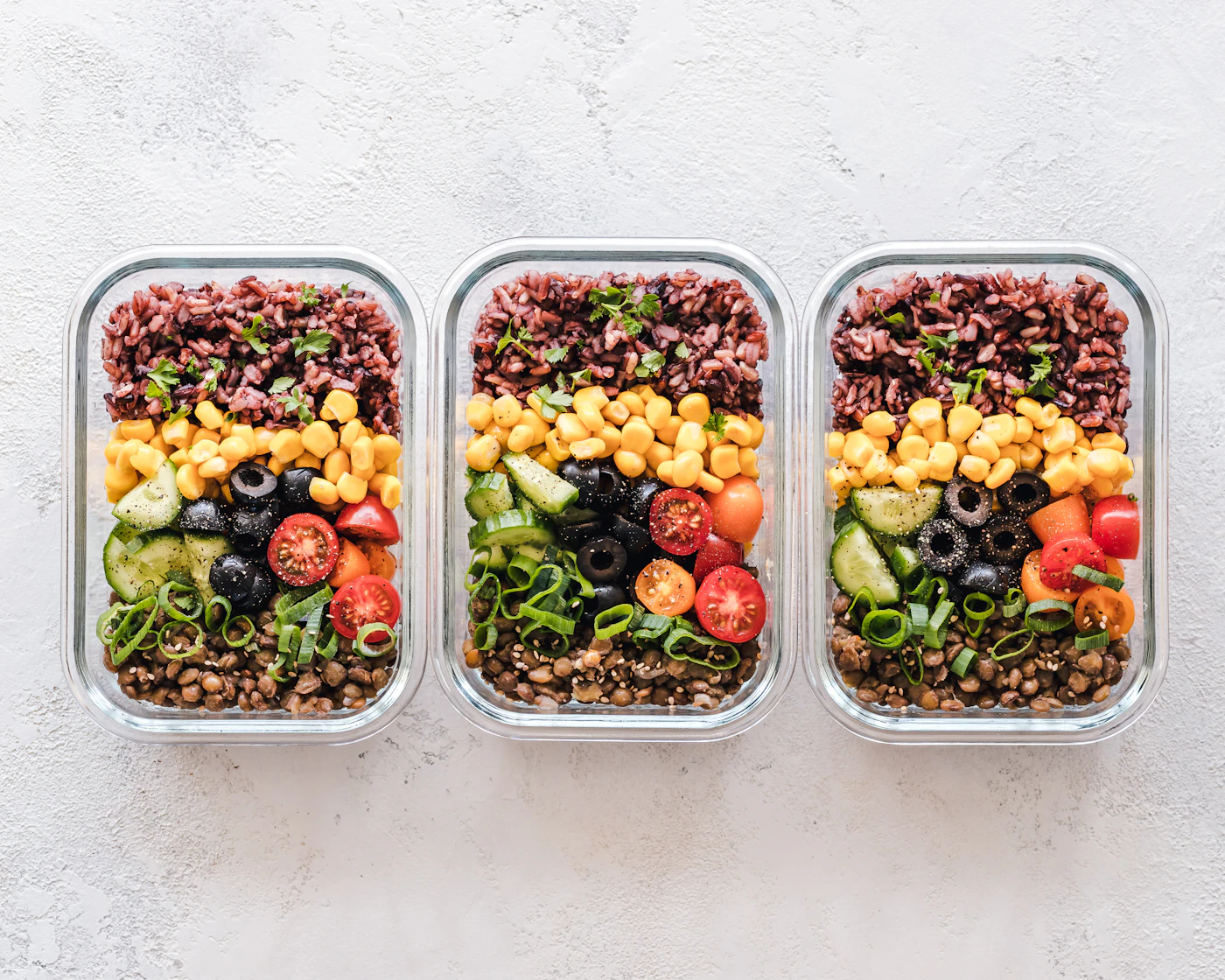
- Cook a big batch of grains. Rice, farro, or quinoa keep well for several days in the fridge. They form the base for grain bowls, stir-fries, or a simple side dish warmed with butter or olive oil.
- Chop vegetables on the same day you shop. Cut onions, peppers, carrots, and broccoli right after coming home. Store them in clear containers so you can see what you have. A bag of ready-to-cook vegetables makes a stir-fry or sheet-pan dinner come together quickly.
- Shred cooked chicken or pork. A rotisserie bird or a slow-cooker batch of meat turns into tacos, salads, sandwiches, or a quick pasta sauce without much thought.
- Boil eggs and wash greens. These small items cover lunches, quick breakfasts, and side salads that keep the rest of the meal simple.
Keep the components plainly seasoned. If you add a strong sauce or heavy spice blend upfront, you lock yourself into one flavor profile for the week. Plain ingredients let you pivot from Mexican to Italian to Asian simply by changing the seasoning at dinner time. This system holds up better because you are never committed to a specific meal, only to having good raw material on hand. Store grains and proteins in airtight containers, and use cooked components within a few days for best texture and safety.
Use the Cook-Once, Eat-Twice Principle
The fastest way to cut down on weeknight work is to cook larger batches of the building blocks you already use often. When you make rice, quinoa, roasted potatoes, or pasta, simply double the amount you normally cook. The same goes for proteins like chicken thighs, ground beef, or a pork loin. You are already at the stove, and the extra time is minimal. The payoff comes two or three days later.
Store the extra portion in a clear container in the fridge, and think of it as a head start rather than a leftover. The key is to resist eating the same plate twice in a row. Instead, change the format. If you made roasted chicken thighs with vegetables on Monday, shred the remaining chicken on Wednesday and toss it with a little barbecue sauce for sandwiches. If you cooked a pot of brown rice, fry it with eggs and peas for a quick dinner, or stir it into soup for body.
A few simple rules keep this method running smoothly:
- Cool cooked grains and proteins quickly before refrigerating, and use them within three to four days.
- Keep the plain base separate from sauces or dressings. Unseasoned rice and chicken are far more flexible than ones already coated in a strong flavor.
- Don’t double everything at once. Start with one grain or one protein per week until the habit feels natural.
- If you freeze a portion, label it with the dish name and the date. Thaw it in the fridge overnight.
This approach is not about elaborate meal prep. It is simply about making a little extra when you already have the pots out, so that a busy evening only requires a small assembly job instead of a full cooking session.
Set Up a Self-Serve Station for Busy Nights
When the evening schedule gets tight, the last thing you want to do is plate five different meals while fielding questions about homework. A self-serve station shifts that work to the people eating the food, and it often gets a better response than a perfectly arranged platter.
The key is to treat it like a casual buffet, not a formal spread. Pick one main protein or hearty dish and two or three simple sides that hold up well at room temperature for a few minutes. Things like roasted vegetables, rice, or a green salad work well. Put each item in its own bowl or on a small platter, and arrange them in a line on the counter or a clear section of the table. Place plates at the start and utensils at the end so the flow makes sense.
Letting people build their own plate does more than save you time. It lets a picky eater skip the sauce, a teenager take a double portion of the main dish, and a younger child handle a small scoop without asking for permission. That built-in flexibility usually cuts down on complaints and cleanup, because leftovers stay in the serving bowls instead of getting scraped off individual plates.
- Set out a pitcher of water or a simple drink so refills don’t pull you away mid-meal.
- Keep serving spoons and tongs next to each dish, not bunched at one end.
- For younger kids, pre-fill a small plate with a little of everything, then let them choose the rest.
You don’t need anything fancy. Everyday bowls and a couple of sheet pans work fine. The goal is to get dinner on the table without turning serving into a second job.
Keep a Simple Rotation of Reliable Meals
Most weeknight friction is not about cooking skill; it’s about the daily question of what to make. A short, fixed rotation removes that question without turning dinner into a boring routine. The goal is a small list of meals every person in the house will actually eat, served on a predictable schedule.
Start by writing down the ten or twelve dinners that already work in your household. Not the ones you wish you made, but the ones that get eaten, use ingredients you usually have, and take a reasonable amount of your time. From that list, assign one meal to each weekday. Monday might be tacos, Wednesday a simple pasta, Friday something grilled. The point is not gourmet variety; it is a default answer for each day.
Keep the rotation on a calendar or a note on the fridge. When you shop, buy for the week’s meals, not for vague possibilities. You will likely find that grocery trips get faster, and you waste less food because you know exactly what each ingredient is for.
Leave room for one open slot per month. That is where a new recipe can be tried, a friend’s suggestion tested, or a seasonal ingredient used. If the new dish is a hit, swap it into the rotation. If it fails, you already have a reliable fallback the next day.
A few practical notes for making this stick:
- Keep the rotation approachable: two or three family favorites can repeat often without complaint.
- Match the meal to the day’s schedule. Save longer-cooking dishes for weekends or slower evenings.
- Write the list somewhere you actually see, not buried in a cookbook.
- If a week feels off, swap two days rather than abandoning the plan.
This system is not about rigidity. It is a backstop that makes weeknights calmer, leaving mental room for the occasional experiment without derailing the whole routine.