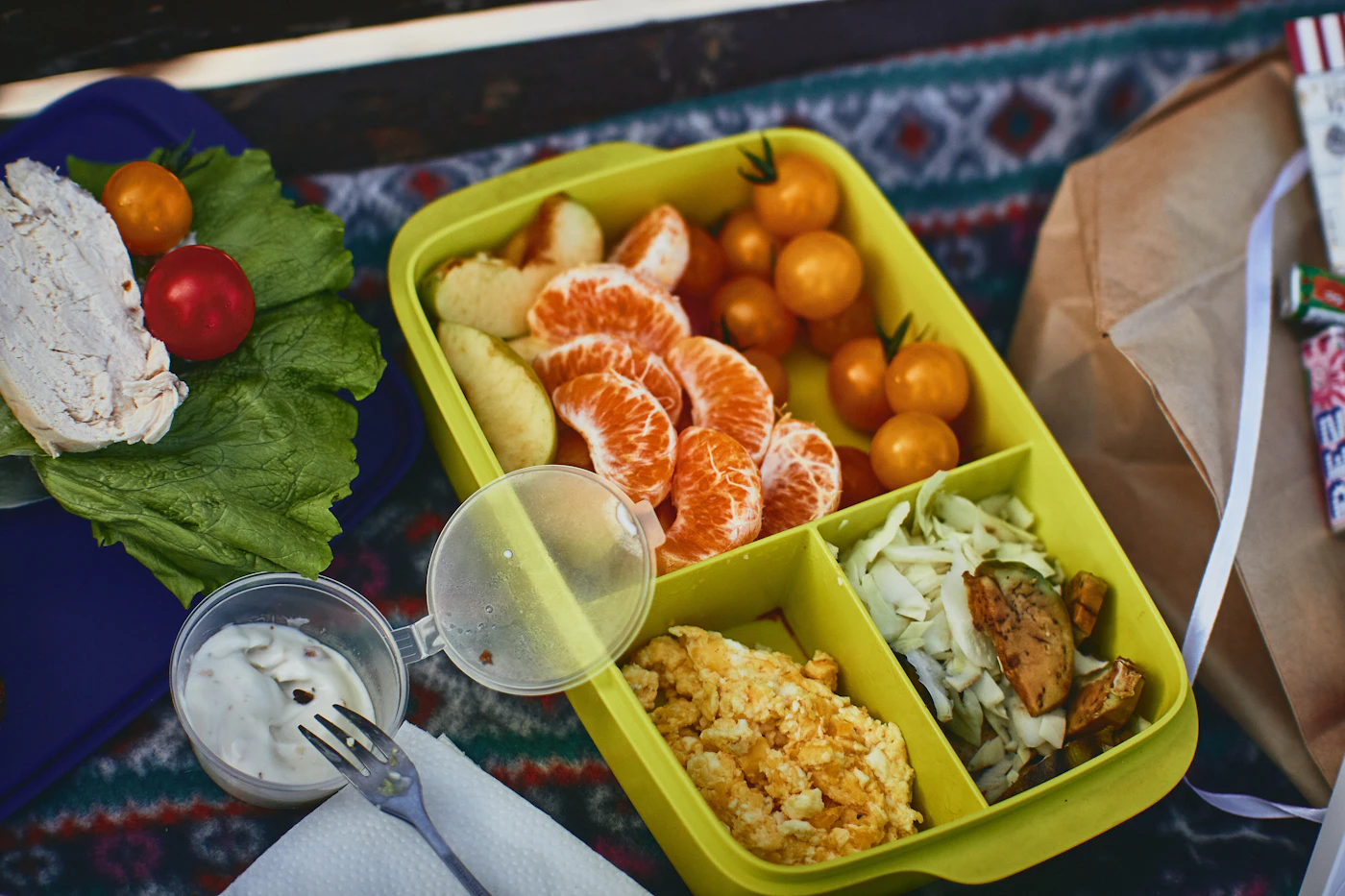
Why Packed Lunches Get Repetitive
Most lunch ruts are not caused by a lack of creativity. They are caused by the quiet pull of habit. When you are packing a meal in the morning, your brain looks for the easiest decision, and the easiest decision is usually the one you made yesterday. The sandwich you have made hundreds of times requires no thought, and that is exactly why it keeps showing up in your lunch bag.
The other major contributor is time. When you have ten minutes to pack before work, you are not experimenting. You are grabbing. The familiar ingredients are the ones you can find quickly, and they are the ones you already know how to assemble. Limited time tends to lock you into the same rotation, not because better options are unavailable, but because better options require planning.
There is also the matter of your shopping routine. Most households purchase the same core set of proteins, vegetables, and grains week after week. If your cart is consistent, your lunch will be consistent. The food you buy quietly dictates the meals you can make.
Understanding these patterns matters because it shifts your approach. You do not need to force yourself to cook more or overhaul your diet. You simply need to disrupt the default decision:
- Notice your default meal. Write down what you actually pack for a week. You will likely spot a single formula that repeats with minor variations.
- Change one component only. If you always have a ham sandwich, switch the bread, swap the cheese, or change the spread. Do not change everything at once.
- Schedule a shopping shift. Buy one new vegetable or one new sauce at the store and build a lunch around it. That single new input forces a different combination.
When you identify where the repetition starts—your habit, your time limit, or your grocery list—you can target that point directly without inventing a brand-new routine from scratch.
Building a Flexible Component Pantry
Planning a full meal for every lunchbox can be exhausting, and it often leads to the same rotation of sandwiches. A more sustainable approach is to stop planning complete meals and instead maintain a flexible pantry of components. These are individual items that can be mixed and matched throughout the week to create different combinations without extra thought.
Think of it as building a small toolkit. You are not deciding what to make; you are simply selecting one item from each of a few categories. A basic structure could look like this:
- A main protein: Cooked chicken pieces, hard-boiled eggs, canned beans, or a block of firm tofu.
- A grain or starch: Cooked rice, pasta, quinoa, tortillas, or sturdy crackers.
- A crunchy vegetable: Carrot sticks, cucumber rounds, bell pepper strips, or snap peas.
- A soft or juicy element: Cherry tomatoes, sliced avocado (added in the morning), or a spoonful of salsa.
- A binder or dressing: Hummus, plain yogurt, a vinaigrette, or a smear of mustard.
Keep the shelf-stable components, like canned beans, rice, and crackers, in a dedicated cabinet spot. Store the fridge items, like cooked grains and chopped vegetables, in clear containers so you can see what is available at a glance. When you pack lunch, you are just grabbing one option from each category.
This method reduces decision fatigue because the choices are constrained, but it still allows for variety. A rice bowl with chicken and salsa tastes very different from a tortilla wrap with beans and hummus, even though they share the same core components. You can cook a larger batch of grains and protein on the weekend, then portion them out as needed. This routine works because it is flexible enough to accommodate leftover dinners and your changing appetite. The goal is to have a system that works when you are busy, not a rigid plan that demands perfect execution. Over time, you will naturally learn which combinations you enjoy and which components are worth keeping on hand.
The Rotation Rule: Change One Element Daily
Repetition is the quiet killer of packed-lunch enthusiasm. You do not need to reinvent your midday meal every morning. A simpler method is to adopt a one-component rotation rule: each day, change exactly one part of the lunch—the protein, the vegetable, the grain, or the sauce. That single swap is enough to make the meal feel new without demanding a full overhaul or a longer grocery list.
Here is how the rule works in practice. Start with a base you genuinely like, such as a grain bowl, a wrap, or a pasta salad. Then, each day, select just one element to swap:
- Change the protein: Rotate between chicken, hard-boiled eggs, canned tuna, chickpeas, or tofu. Keep cooked proteins in separate containers so the texture stays intact.
- Change the vegetable: Move from raw bell peppers to roasted carrots, from shredded cabbage to snap peas. Raw vegetables hold crunch longer if stored away from dressing.
- Change the grain: Alternate rice, quinoa, farro, or whole-wheat tortillas. Cooked grains keep well for three to four days when refrigerated in a sealed container.
- Change the sauce: Swap a vinaigrette for a tahini drizzle, or a dollop of pesto for a squeeze of lemon and olive oil. Keep sauces in a small separate jar and add them just before eating to avoid sogginess.
The key is restraint. If you change more than one element, you are back to planning a new meal from scratch. By holding the rest steady, you build a familiar routine that still leaves room for curiosity. Over a week, you will taste four different combinations using the same core ingredients you already bought.
When you pack the lunch the night before, write down which component you changed on the lid with tape or a dry-erase marker. That small reminder prevents you from accidentally repeating the same swap two days in a row and keeps the rule honest. For safe food handling, always refrigerate perishable components promptly and discard any packed lunch left at room temperature for more than two hours. This rotation approach requires no special skill, just a little attention, and it turns a dull habit into a low-effort game.
Batch Cooking for Flexibility, Not Repetition
The quickest way to abandon a packed-lunch routine is to eat the same plate three days in a row. Instead of cooking full meals in bulk, prepare large batches of basic components that stay neutral on their own. Cook a pot of grains, roast a tray of vegetables, and grill or bake a simple protein without heavy sauce. Store each component in its own container in the refrigerator.
The key is to resist seasoning everything at once. Keep the base plain, then change the flavor profile at packing time. This turns one batch of ingredients into several distinct lunches without extra cooking.
Try these combinations using the same prepared components:
- Grain bowl: Toss grains with olive oil, lemon juice, and fresh herbs; top with roasted vegetables and sliced protein.
- Warm wrap: Flatten grains into a tortilla or pita, add protein, and finish with a spoonful of salsa or a smear of hummus.
- Cold salad: Mix grains and vegetables with a vinaigrette, then crumble feta or add nuts for texture.
- Stir-fry style: Reheat components in a skillet with soy sauce, garlic, and a splash of water to loosen the sauce.
Store components in separate airtight containers for up to three to four days. When you pack lunch in the morning, assemble only what you need and add wet dressings or sauces just before sealing the container. This keeps textures intact and prevents the base from turning soggy. By treating the batch as a pantry rather than a menu, you get the convenience of bulk prep with the freedom of a different meal each day.
Smart Storage and Packaging to Preserve Appeal
Texture is often the first thing to suffer in a packed lunch. The goal is to keep each component as close to its original state as possible until you are ready to eat. The simplest way to do this is to separate wet and dry ingredients until the moment of assembly. Dressing, sauce, or moist ingredients like tomatoes and cucumber will quickly turn crisp greens, crackers, or tortilla chips soggy. A set of small, leakproof containers or silicone muffin cups lets you carry these additions without compromise.
Think about how the container’s shape affects the food inside. A flat, rectangular box works well for layered salads or stacked sandwiches. A deeper round container is better for grain bowls or soups. When you pack, consider the journey the meal will take. If it will be tossed into a bag or backpack, place heavier items at the bottom of the lunch bag and lighter, fragile ones on top. For items that crush easily—berries, hard-boiled eggs, or crusty bread—give them their own small protective container rather than letting them share space with denser foods.
Keep a few practical habits in mind:
- Pack dry items separately: Put nuts, seeds, croutons, or crackers in a small bag or cup and add them at lunchtime.
- Use the container’s lid wisely: A container with a recessed lid is handy for holding a spoon or a small portion of dressing.
- Layer strategically: Place sturdier vegetables, like carrots or bell peppers, at the bottom and delicate greens on top so they stay crisp.
- Cool hot components first: Let warm grains or proteins cool to room temperature before sealing to avoid condensation that makes the food soggy.
Matching the container to the food’s needs is a small step that takes little extra time and makes a noticeable difference in how appetizing the meal looks and tastes at noon.
Weekly Planning That Leaves Room for Spontaneity
A rigid seven-day meal plan often falls apart by Wednesday. A better approach is to set boundaries, not rules. Start with a loose framework: assign a loose theme to each day—like “Bowl Day,” “Wrap Day,” or “Salad Jar Day.” This gives you a structure to work within, but the specific ingredients stay open until you open the fridge.
Another practical method is to shop for a short list of versatile proteins and vegetables rather than specific recipes. For example, pick five proteins and five vegetables that you actually enjoy. Throughout the week, you mix and match them in different combinations. One day it’s grilled chicken with roasted carrots and rice; the next, the same chicken is shredded into a tortilla with raw carrots and a simple dressing. The repetition fades because the assembly changes, not the shopping list.
Keep a small note on your phone or a sticky note on the cabinet listing these ten items. When you’re tired, you choose one from each category and a base—grain, tortilla, or greens—and you’re done. No need to consult a recipe or make a special trip.
- Theme days reduce decision fatigue; you only choose within a category.
- Stock flexible components, not finished meals, to keep options open.
- Set a “swap rule”: if you’re not feeling a planned protein, use another from your list without guilt.
This approach leaves room for a spontaneous lunch out or a leftover dinner from the night before. The framework holds, but the details stay flexible. You’ll spend less time planning and more time actually eating what you packed.