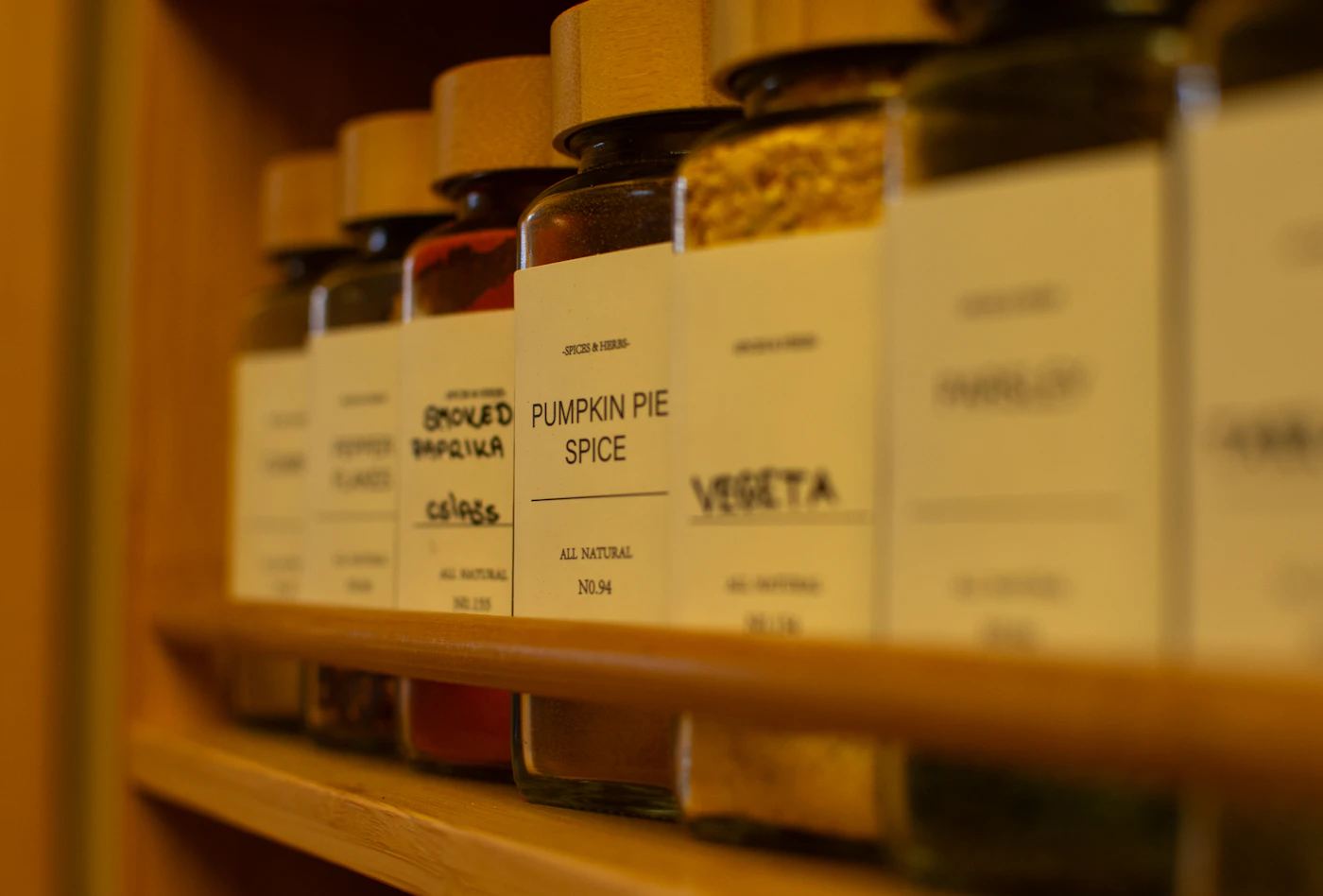
Why Spice Organization Fails and What to Do Differently
The usual approach to spice organization is to buy a matching set of jars, apply uniform labels, and arrange everything in alphabetical order. It looks great for about a week. The problem is that this system assumes your cooking habits are static. In reality, you reach for cumin three days in a row, then ignore it for a month. You buy a new blend for one recipe, and it never fits neatly into the existing lineup. Rigid systems break because they do not account for how people actually cook.
Another common failure is treating the spice drawer like a pantry inventory. When every jar is sealed and identical, you cannot see what is running low until you open each one. By that point, you are mid-recipe and out of a key ingredient. The solution is not more organization; it is better visibility and looser rules.
Try a habit-based approach instead:
- Group by use, not by name. Keep your frequent cooking spices—like garlic powder, paprika, chili flakes, and black pepper—in a small tray near the stove. Store the rest, such as whole cloves or cardamom pods, in a larger cabinet or drawer.
- Keep the packaging you already use. Transferring spices to uniform jars is optional. If the original container fits your drawer and is easy to open, leave it. The goal is access, not aesthetics.
- Do one quick monthly sweep. Instead of a full reorganization, spend two minutes checking for expired or empty containers. Replace what you finish and toss anything that has lost its smell.
- Use a simple separator. A single drawer divider or small bin is enough to stop jars from rolling into a jumble. You do not need a custom rack or a labeled tiered shelf.
The real trick is to accept that the setup will shift. When a new spice enters your rotation, move it to the front tray. When one falls out of favor, push it back. This flexible rhythm keeps your spices useful without demanding constant maintenance.
The Core Pantry: Selecting Spices You Actually Use
Most spice drawers accumulate jars faster than anyone actually cooks with them. A practical collection is not about having every possible option; it is about having the ones that show up in your regular meals. Start by looking at the last ten recipes you cooked from memory or habit. The spices that appear in most of those dishes form your working set.
For most home cooks, that core group is smaller than you might expect. Common savory staples like black pepper, garlic powder, onion powder, paprika, and a dried herb such as oregano or thyme cover a wide range of soups, roasts, and skillet meals. Add one warm spice, like ground cumin or chili powder, if your cooking leans toward tacos, stews, or curries. Keep a cinnamon or nutmeg around only if you actually bake or use them in oatmeal or coffee. If you are not sure about a jar, ask yourself whether you reached for it in the past two months. If not, it belongs in the backup drawer or the donation box.
Balancing variety with practicality means allowing yourself a few wildcards, but capping them. Dedicate a small section of your shelf to two or three specialty blends you genuinely enjoy, such as a curry powder or a Cajun mix. When that section is full, you must remove something before adding a new jar. This simple rule keeps your collection from creeping back to clutter.
- Group your core spices together in one tray or bin for easy daily access.
- Keep specialty blends separate so they do not distract from your staples.
- Label the bottom of each jar with the purchase month to help with eventual rotation.
For routine upkeep, check the collection twice a year. Whole spices generally keep longer than ground ones, but if a jar has lost its aroma or changed color noticeably, it is time to replace it. That inspection takes five minutes and prevents the frustration of cooking with stale seasonings.
Storage Solutions: Containers, Labels, and Placement
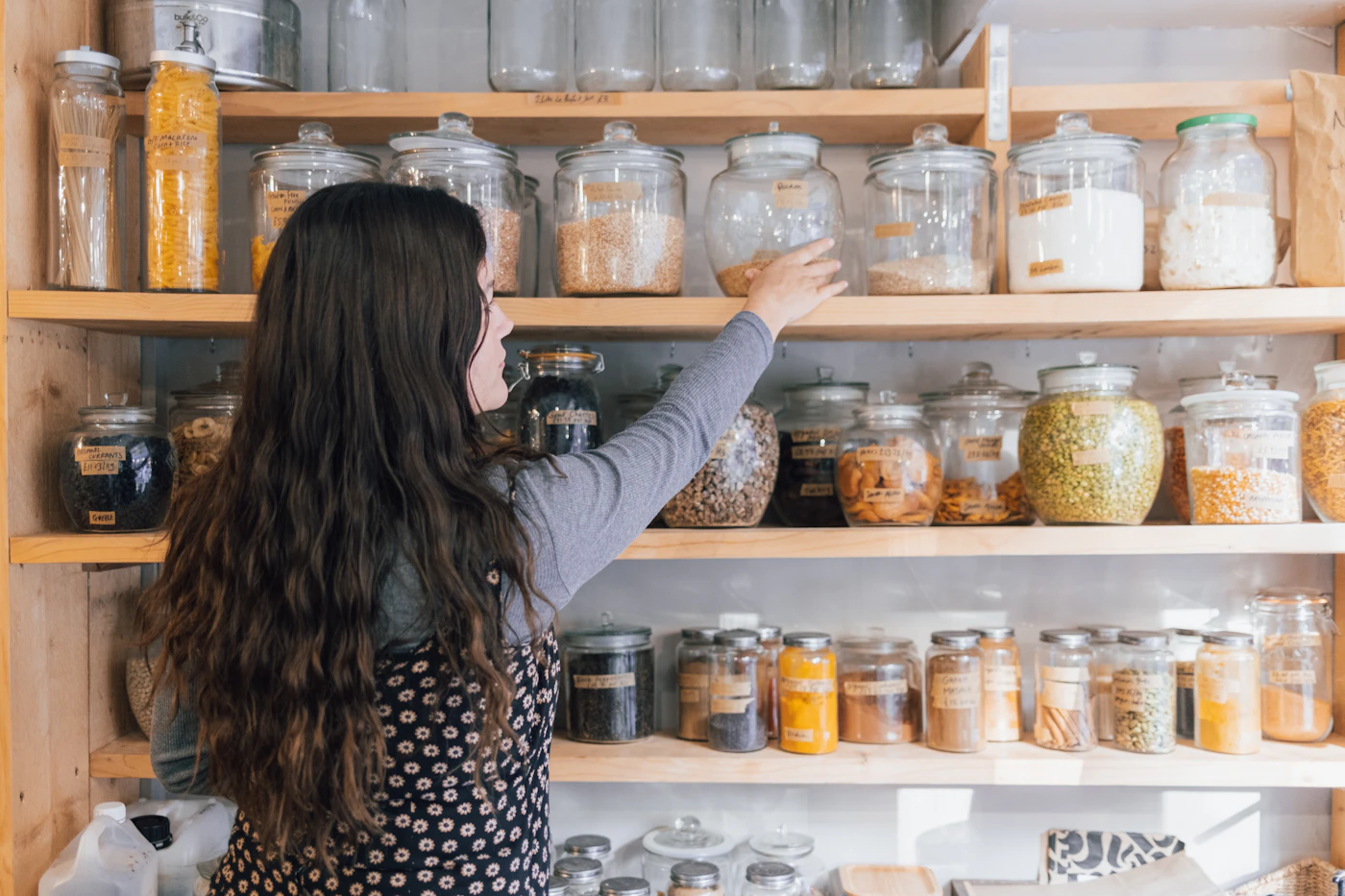
The right container makes a bigger difference than most people expect. Skip decorative jars that hide the contents or require a scoop. Instead, choose uniform, airtight containers that let you see the spice at a glance. Clear glass is a solid choice because it does not absorb odors and holds up well over time. Plastic is fine for daily use, but keep it out of direct sunlight to avoid fading and flavor loss.
When it comes to labels, readability beats aesthetics. Write the spice name and the date of purchase on a plain label affixed to the lid or the side. A permanent marker works, but printed labels stay legible longer. The date matters because ground spices lose potency gradually, not on a fixed schedule. If you cannot remember when you bought a jar, you are likely keeping it past its useful life.
Placement is about workflow, not perfection. Store spices you reach for weekly at the front of a cabinet or on a drawer insert at counter height. Reserve upper shelves or deeper cabinets for less frequent baking spices. Do not store spices above the stove or next to the dishwasher—the heat and humidity accelerate flavor loss.
- Group by cuisine (Italian, Mexican, baking) rather than alphabetical order for quicker grabbing.
- Use a step riser or shallow tray to see all jars in a deep cabinet without digging.
- Transfer bulk store-bought bags into uniform containers only if you use them within a few months; otherwise, leave them sealed in the original packaging.
A simple quarterly check—smelling each jar and replacing anything faint—keeps the system working without turning it into a chore.
A Simple Monthly Check: Smell, Look, and Tidy
Once a month, set aside ten minutes for a low-effort check. You do not need to empty every jar or reorganize the entire shelf. The goal is simply to catch problems before they spread and to keep the most-used items within reach.
Start with a quick smell test. Open a jar and take a light sniff. If the spice has little or no aroma, its flavor will likely be flat in your cooking. Ground spices lose potency faster than whole ones, so pay extra attention there. You do not need to throw away something that smells weak, but you should move it to a secondary shelf and plan to use it soon.
Next, look for trouble. Check bottle rims and lids for dried residue, sticky film, or any sign of moisture. Wipe those areas with a damp cloth and dry them completely before putting the jars back. A clean rim keeps lids sealing properly and prevents clumping. Also glance at the shelf surface itself for stray crumbs or oil splashes. A quick wipe now takes less effort than scrubbing after a spill has hardened.
- Scan for jars that have outlived their usefulness, such as half-empty blends you rarely reach for.
- Group spices by how often you use them, not by alphabet or color. Keep everyday seasonings at the front.
- Return any jar that has drifted to the wrong spot. That simple correction keeps the system sustainable.
Do not attempt a full purge or label redesign during this check. That kind of overhaul is a separate project. The monthly routine is about maintenance only. If you notice a jar with a damaged lid or a cracked container, replace it when you next shop. Otherwise, resist the urge to rearrange everything. A tidy but slightly imperfect shelf that takes minutes to maintain will serve you far better than a picture-perfect system that feels like a chore.
Building a Rotation Habit That Works with Your Cooking
The most reliable way to keep spices moving is to tie their use to actual meals, not calendar dates. If you cook Mexican food twice a month, keep cumin, chili powder, and oregano within easy reach and let them turn over naturally. Grouping jars by cuisine rather than alphabetically makes this instinctive. When you open the cabinet for a particular dish, you see the spices that belong in it, which nudges you toward older jars first.
A strict “first in, first out” system fails for most people because it demands constant attention. Instead, use a soft version: when you buy a replacement, place the new jar behind the existing one. That single action creates rotation without any extra thought. When the front jar empties, the newer one is ready, and you avoid the common pileup of half-used duplicates.
Keep a small mental note of what you reach for weekly versus seasonally. Holiday baking spices, for example, may sit untouched for months. That’s fine. Pull those forward only during the relevant season, then push them back afterward. A practical habit also involves keeping the most-used spices on a lower shelf or a drawer insert, so you see them every time you cook. Dried herbs near the stovetop will lose quality faster from heat and steam, so store those in a cooler cabinet and only take out what you need for the moment.
- Buy smaller quantities of spices you use rarely to avoid long-term storage.
- When a jar is half empty, make a point to use it in the next three dishes that fit its profile.
- Do a simple sweep twice a year: sniff or taste a pinch, and discard anything that has lost its aroma.
The goal is not perfect turnover. It’s building a rhythm where older jars naturally get used because they are visible and logically placed.
Knowing When to Let Go: Spice Lifespan and Replacement Cues
Spices do not spoil in the way that fresh food does, but they do fade. The essential oils that carry aroma and flavor break down over time, especially when exposed to heat, light, and air. Rather than focusing on a calendar date, use your senses. The most reliable test is simple: crush a small pinch between your fingers and smell it. If the aroma is faint or noticeably flat, the spice will not do much for your cooking. Whole spices, such as cumin seed or cinnamon sticks, hold their character much longer than pre-ground versions because less surface area is exposed to air.
For ground spices, a practical routine is to review them twice a year, perhaps when you change your clocks. At that point, ask yourself whether you have used the jar in the past year. If not, and the aroma is weak, it is time to let it go. For whole spices, the same sniff test applies, but you can also lightly toast a small amount in a dry pan; if it does not release a lively fragrance within a minute, its useful life has passed.
To replace spices responsibly and avoid waste:
- Buy the smallest container available for spices you use rarely, such as cardamom or cloves.
- Refill a single working jar from a bulk bin only if the store has good turnover; otherwise, stick to sealed packages.
- Grind whole spices in small batches with a cheap coffee grinder; this gives you fresher flavor without storing many jars.
Dispose of spent spices by emptying them into the trash, not the compost pile, as most compounds are not beneficial to soil. A modest, organized collection of a dozen frequently used ground spices, replaced when their aroma slackens, beats a crowded shelf of faded seasonings every time.