Warm Up Smart, Not Long
It is tempting to start the car and let it run for several minutes on a cold morning, especially when the windshield is fogged or frosty. But for most modern cars, a long idle is not the helpful routine it used to be. The engine does not need to reach full operating temperature while parked. In fact, letting it sit and idle for too long just burns fuel and adds extra wear without much benefit. The faster, cleaner way to warm things up is to simply drive.
The key is to drive gently for the first few minutes. Once the windows are clear and you can see properly, ease out of the driveway and take it easy. Avoid hard acceleration, high revs, and abrupt stops until the temperature gauge starts to move. This light load is what actually warms the engine, transmission, and tires in a balanced way. Driving gently brings all those components up to temperature together, rather than leaving the transmission and tires cold while the engine idles.
Here is what that settle time really does for your car on short trips:
- Engine: A light load warms the oil and metal parts gradually, which is easier on seals and bearings than a cold, high-revving start.
- Transmission: Moving the gear selector and rolling slowly gets fluid circulating through the transmission, so shifts stay smooth sooner.
- Tires: Cold tires are stiff and less grippy. A few blocks of easy driving lets the rubber flex and warm up, improving traction and ride comfort.
If your car needs a minute to clear ice or heavy frost, that is fine. Just keep it to the time needed for visibility, not for mechanical warmth. Then drive off calmly, and let the first mile or two be the warm-up. If you notice any unusual noises, vibrations, or warning lights during those first minutes, pull over when safe and consult a qualified mechanic. A little patience and a light foot go further than a long idle ever will.
Take the Scenic Route (Sometimes)
Short daily drives rarely give your car a chance to finish its own internal housekeeping. When you only travel a few miles, the engine warms up but may not stay hot long enough to evaporate the moisture that naturally collects inside the oil system and exhaust. Over weeks of stop-and-go errands, that condensation builds up. A slightly longer drive every so often clears it out.
You do not need a long highway trip. Once a week or so, simply add a few extra miles to an existing errand. Take the loop around the edge of town instead of the straight shot through the middle. Drive to the next grocery store rather than the closest one. The goal is to keep the engine running long enough for the temperature gauge to sit at its normal spot for a solid fifteen or twenty minutes, not to set any distance records.
That extended running time also does a small favor for the battery. Frequent short trips put a load on the battery at startup, but they do not give the alternator enough time to fully replace what was used. A longer drive lets the charging system top things off properly. This is a simple, sensible habit, not a cure-all. It does not fix a weak battery or an engine that runs hot; those still need a professional diagnosis.
To make the habit stick without turning it into a chore:
- Combine the longer drive with a regular task, like picking up a prescription or mailing a package.
- Pick a day of the week that tends to be less rushed and set a loose reminder.
- If the traffic is heavy, skip it—idling in a jam does not replace a steady, warm cruise.
Treat the scenic route as routine maintenance, not a special event. Your car will thank you quietly, with cleaner oil and a more predictable start next cold morning.
Combine Errands to Minimize Cold Starts
The way you organize your driving can do more for your car than any single maintenance product. Every time you start a cold engine, it takes a few minutes for the oil to circulate fully and for the engine to reach its normal operating temperature. Most of the wear that happens during everyday driving occurs in those first minutes, when the metal parts are still cold and the oil is thicker than intended.
Short trips that are barely long enough to get the engine warm, followed by hours of sitting, repeat this condition several times a day. If you drive to the bank, come home, then drive to the store an hour later, and then out again for dinner, you are stacking up cold starts that could have been a single warm start.
A little route planning goes a long way. Consider these habits:
- Group nearby stops into one loop instead of returning home between each one.
- Run errands in an order that keeps you out long enough for the engine to stay warm, rather than doing a five-minute drive, parking, and then another five-minute drive later.
- If you have flexible tasks, save them for a day when you already have one longer drive planned.
- On very cold mornings, see if you can safely combine the school run with a grocery stop rather than making two separate trips.
None of this is about being perfectly efficient—life gets in the way. It’s simply a matter of noticing how often you are asking the car to wake up cold. Fewer cold starts each week means less repetitive strain on the engine and, often, a calmer day for you as well.
Keep It Light: Remove Excess Cargo
A car that carries less weight simply has less work to do. Every extra pound in the cabin, trunk, or on the roof means your engine has to produce a bit more power just to get you moving, and your brakes and suspension have to manage that same added mass every time you slow down or turn. Over short daily drives, this added strain may not be dramatic, but it does add up over the life of the vehicle.
Start by looking in your trunk. Many drivers keep heavy items there out of habit: a bag of sand for winter traction, old sports gear, a box of tools, or a spare set of files from the office. If you can’t remember the last time you used something, consider taking it out and storing it in the garage or basement. It’s a simple, free change that lightens the load without any mechanical work.
- Roof racks and cargo boxes: An empty roof rack creates wind resistance and adds weight, even when you aren’t using it. If the rack is easy to remove, take it off for the seasons when you don’t need it. If it stays on, at least make sure it holds nothing extra.
- Heavy trunk items: Check under the floor mat and in the side compartments. A few forgotten tools or bottles of washer fluid can add several pounds without you noticing.
- Clean out the cabin: Loose items in the back seat or floorboards don’t just weigh the car down; they can also roll around and become distractions. Keep only what you use daily.
If you want to know how much difference weight makes, watch your fuel gauge over a week with a clear trunk, then compare it to a week with your usual load. You might notice a small improvement, though results vary by vehicle and driving style. The main benefit is gentler wear on the moving parts, which is reason enough to travel light.
Mind the Pedals: Smooth Driving Habits
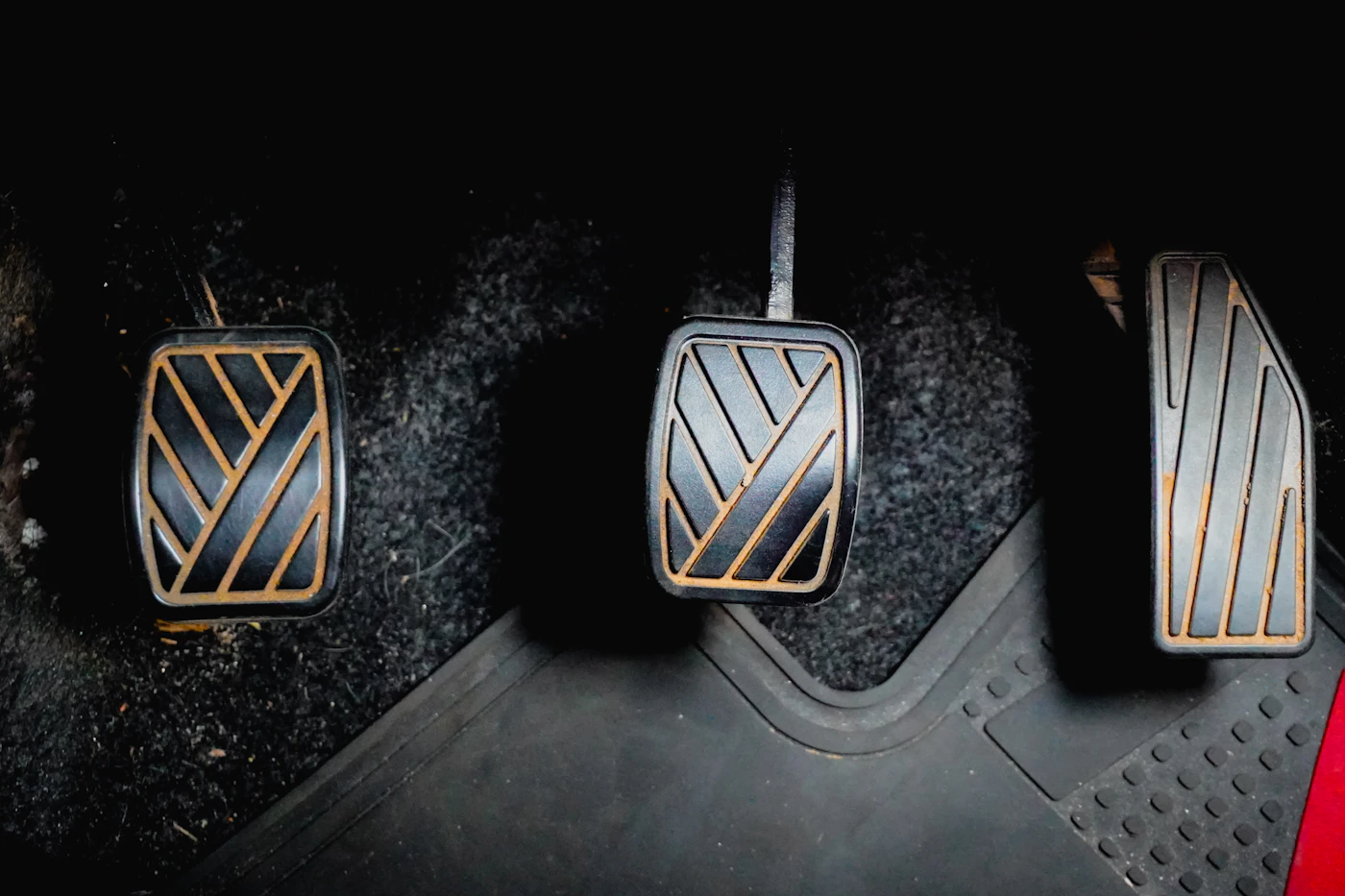
How you use the pedals on your daily commute has more to do with a car’s long-term health than most people realize. The goal is to make every input as smooth as possible. Think of the gas and brake pedals as dials rather than switches. When you ease into acceleration, you let the engine and transmission build power gradually. This is especially important on a cold morning. A cold engine has not yet reached its ideal operating temperature, and the oil has not fully circulated.
Gentle acceleration when cold reduces the strain on moving parts before they are fully lubricated. It also gives the drivetrain—the components that transfer power from the engine to the wheels—a much easier time. There is no need to idle and warm up the car for several minutes; a short, low-speed drive after a brief settle is plenty. Just keep the revs low and the throttle light for the first few miles.
The same logic applies to stopping. Hard or late braking generates extra heat and friction, which wears down brake pads and rotors faster. It also puts an unnecessary jolt into the suspension and tires. Instead, scan the road ahead. When you see a stoplight or slow traffic, ease off the gas early and let the car coast for a moment before applying the brakes with a steady, light pressure.
- Aim for a long, smooth finish when slowing instead of a quick jam at the end.
- When you need to accelerate, press the pedal gradually, not in one swift push.
- Take turns at a steady speed that suits the road, and avoid sudden throttle changes mid-corner.
These habits do more than protect mechanical parts. Smoother inputs also mean the engine sees fewer large swings in load, which helps that rapidly changing real-world fuel economy remain closer to the car’s best. It takes a little mindfulness, but after a week, smoothness begins to feel natural. The car will reward you with quieter operation, longer brake life, and fewer surprises down the road. If you ever notice a pedal feeling unresponsive, spongy, or harder than normal, have a qualified mechanic look at the brake system promptly.
Regular Maintenance Checks Between Trips
Getting into a routine of quick, simple checks at home can catch small issues before they turn into larger ones. You do not need any special tools or training for these, just a few minutes and a watchful eye. The goal is observation, not repair.
- Tire pressure and visual condition. Check your tires when they are cold, ideally before you drive. A quick look for bulges, cuts, or uneven wear on the tread is worthwhile. Use a reliable gauge to compare each tire against the pressure listed on the sticker inside the driver’s door frame, not the number embossed on the tire sidewall. Proper pressure improves handling and even tread wear.
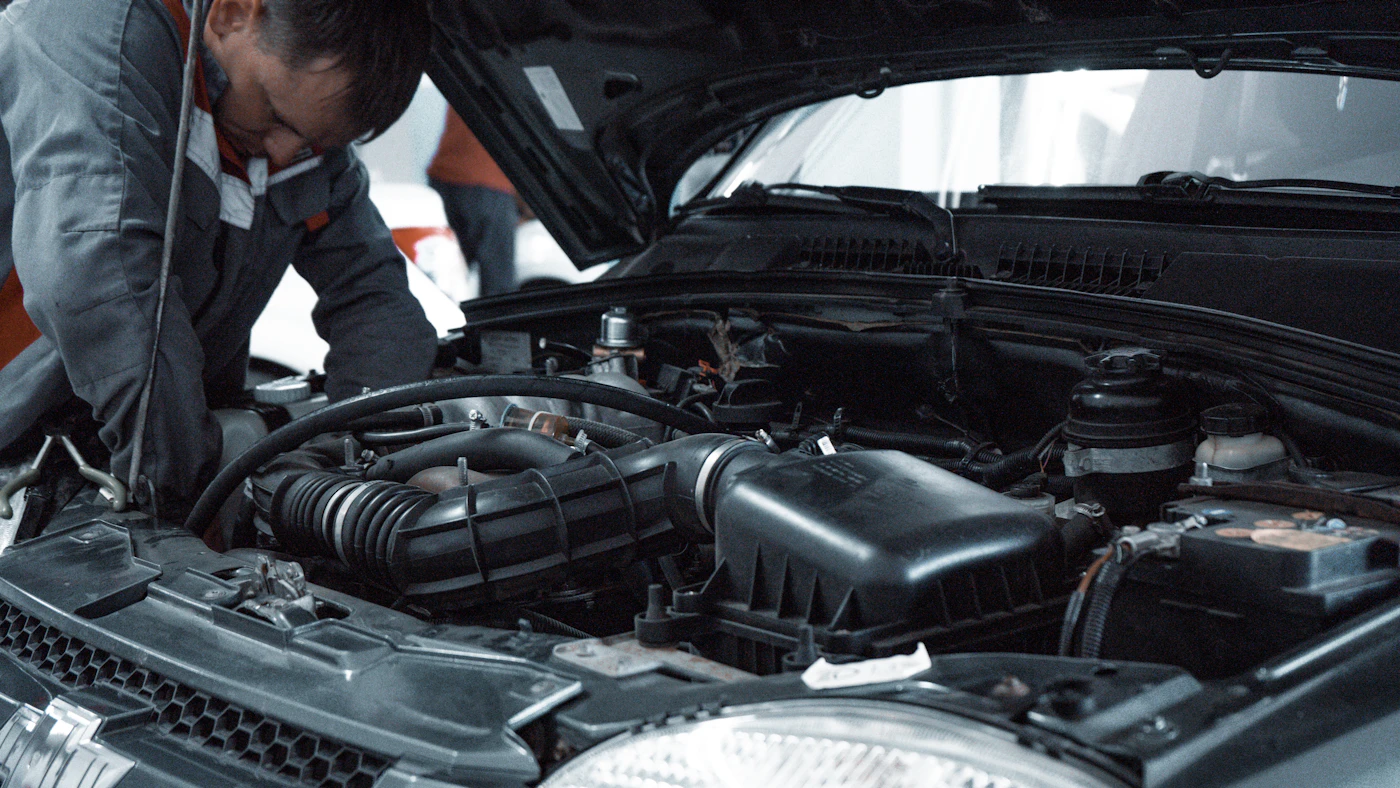
- Fluid levels at a glance. With the engine off and the car on level ground, check the dipstick for engine oil and look at the reservoir markings for coolant, washer fluid, and brake fluid. Topping off washer fluid is a simple task, and noting if any other fluid is low is useful information for your mechanic. If you are ever unsure which reservoir is which, your owner’s manual is the right guide.
- Wipers and visibility. Run the wipers with washer fluid and watch for streaking or missed patches. Clean the blades gently with a damp cloth to remove grime. If they leave smears, replacing them is an easy home task.
These checks are about awareness. If you notice a new or worsening drip under the car, a warning light on the dash, odd noises, or a change in how the steering or brakes feel, that is not a do-it-yourself project. Set up an appointment with a qualified technician. They have the equipment and training to diagnose problems safely. A consistent habit of simple observation paired with professional expertise is the most practical way to keep a daily driver dependable.