Why Early Recognition Matters
Your vehicle’s braking system is its most direct safety link to the road. It is a complex network of components—including the pedal, fluid, lines, calipers, rotors, and pads—that must work together smoothly. When one part begins to fail, it usually changes how the car feels long before the system becomes unsafe. Recognizing those changes early gives you time to plan a professional inspection on your schedule, rather than dealing with a sudden loss of stopping power in traffic.
Brake problems rarely appear without warning. What might seem like a minor nuisance today—a slight pull to one side, a low pedal, or a faint noise—often signals worn parts or a developing fluid leak. Delaying attention allows the issue to spread. For instance, worn pads can eventually damage the rotor surface, turning a simple replacement into a more involved and costly repair. Early recognition also helps you avoid the stress and danger of driving with unpredictable braking, especially in wet conditions or emergency situations.
Paying attention to changes is not about being overly cautious; it is a practical habit of ownership. Before you drive, take a moment to notice how the pedal feels. During a trip, listen for unusual sounds and watch how the car behaves when you slow down. These observations are simple and require no tools. If something feels off, the next step is straightforward: have a qualified mechanic inspect the system promptly. Do not attempt to open brake lines, remove wheels for a detailed look, or adjust any components yourself. That work is for a trained professional. Your role is to notice, report, and decide to act.
Observing the Brake Pedal: Feel and Travel
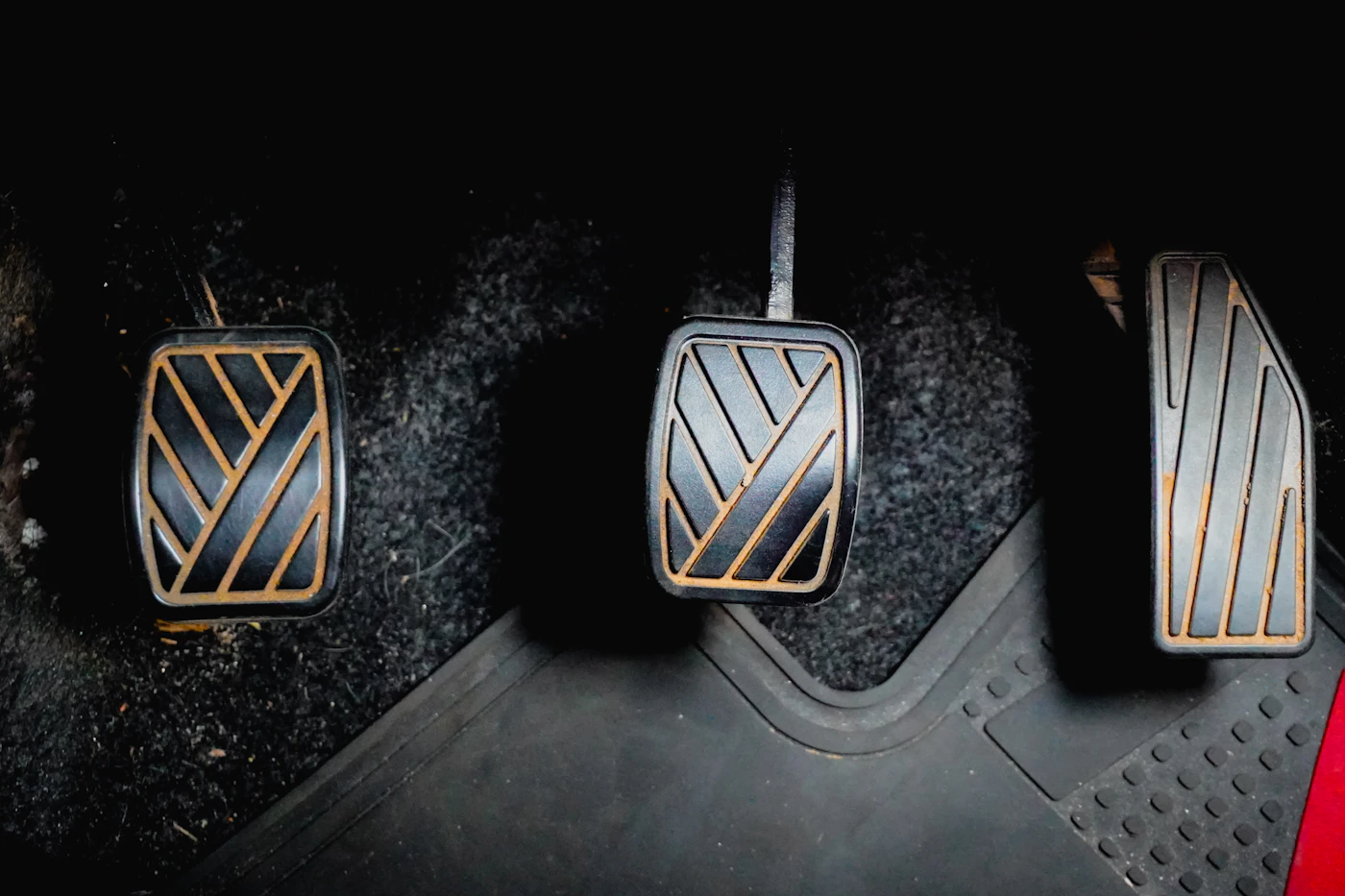
The brake pedal is your most direct link to the braking system, and its behavior under your foot can tell you a great deal about the condition of the components behind it. You do not need any tools to perform this check, just a quiet stretch of road or driveway and a moment of attention. What matters is consistency: a pedal that feels the same every time you press it is a good sign, while changes in feel or travel warrant closer inspection.
Pay attention to how the pedal responds when you apply steady, moderate pressure. A few common variations to watch for include:
- A soft or spongy pedal: The pedal feels mushy and sinks closer to the floor than usual before firming up. This often suggests air has entered the hydraulic brake lines, which reduces the pressure the system can apply. Moisture in the brake fluid can also lower its boiling point and create a similar feel.
- A hard pedal with little travel: If the pedal feels unusually firm and barely moves, it may point to a restricted brake line, a problem with the vacuum booster, or a caliper or wheel cylinder that is not releasing properly.
- A pedal that slowly sinks to the floor: If you hold steady pressure and the pedal gradually drops, this can indicate an internal fluid leak, possibly past the master cylinder seals or at a wheel cylinder.
- Low pedal travel: When the pedal sits closer to the floor than it used to, it can signal worn brake pads or shoes, or a need for brake adjustment or fluid top-up, though the latter should be investigated if it recurs.
If you notice any of these changes, begin by checking the brake fluid reservoir level and looking for obvious leaks near the wheels or along the lines. These are safe, basic checks. However, diagnosing the exact cause of an abnormal pedal feel, and especially any repair involving the hydraulic system, requires the experience of a qualified mechanic. Do not drive the vehicle if the pedal feels significantly different from normal, as stopping distances may be compromised.
Listening for Unusual Sounds
Your brakes often give you a verbal heads-up before a problem becomes serious. Learning to distinguish between everyday noises and warning sounds can help you decide when to take a closer look or schedule a service visit.
Squealing or high-pitched whining is the most common brake noise. In many cases, this happens when the brake pads have worn down to a built-in wear indicator—a small metal tab designed to make contact with the rotor and create a sharp sound. If you hear this only when lightly applying the brakes and it disappears with firmer pressure, pad wear is a likely culprit. Some pads also squeal when cold or damp, which may fade after a few stops and is generally less urgent.
Grinding or growling suggests metal-on-metal contact. This usually means the friction material on the pads is completely gone, leaving the metal backing plate to rub against the rotor. You may feel a vibration through the pedal or steering wheel as well. This is not something to delay—continued driving can damage the rotors and require more extensive repairs. Have the vehicle inspected promptly.
Clicking or snapping sounds, especially when turning or driving over uneven surfaces, often point to loose brake hardware rather than pad wear. Small clips, shims, or caliper mounting bolts may be out of place. While not always an immediate safety issue, loose components can lead to uneven pad wear or reduced braking performance over time.
- Note when the noise occurs: while stopping, coasting, or turning.
- Pay attention to whether it changes with speed or brake pressure.
- If the noise is new and persistent, a professional inspection is the safest next step.
Routine checks of pad thickness through the wheel spokes are safe when the vehicle is parked and cool. Anything requiring wheel removal or caliper work should be left to a qualified technician.
Noticing Vehicle Behavior During Braking
Paying attention to how your vehicle feels when you press the brake pedal can reveal early signs of wear or trouble. You do not need to be a mechanic to notice a change in routine behavior. What matters is recognizing what is normal for your car and noting what feels different.
Pulling to one side
If your vehicle drifts left or right when you brake, it often means the braking force is uneven between the wheels. This can stem from a stuck caliper, a worn brake hose, or an issue with the brake lining on one side. Before assuming a mechanical fault, check that tire pressures are even on both sides and that there is no debris trapped in the brake area. If the pull persists, treat it as a reason for a professional inspection rather than a condition to live with.
Pedal or steering wheel vibration
A pulsation through the brake pedal or a shudder in the steering wheel when braking usually points to a problem with the brake rotors or drums. This may develop gradually as components heat up, or it may appear suddenly. Pay attention to whether the vibration changes with speed or is only present at certain pressures. It is safe to drive cautiously for a short distance to evaluate the symptom, but an experienced technician should assess the rotating parts before the condition worsens.
Changes in stopping distance or responsiveness
Notice if the pedal feels softer than usual, sinks closer to the floor, or requires more effort to stop. A pedal that feels firm but slow to respond can indicate a different set of concerns than one that feels spongy. Compare your current feel against your memory of normal operation. Any noticeable change in how quickly the car slows down—either longer distance or sharper grabbing—warrants attention. Avoid driving extensively under these conditions until a professional checks the system.
Visual Checks You Can Perform Safely
Before you assume every brake issue requires a shop visit, take a few minutes to look at the components you can see without raising the vehicle. These checks are safe for most drivers and require no tools beyond a flashlight and a clean rag.
Start with the brake fluid reservoir, which is usually a translucent plastic container mounted on the master cylinder under the hood. With the engine off and the car parked on a level surface, wipe the outside of the reservoir clean. Look at the fluid level against the marked "MIN" and "MAX" lines on the side. If the level sits near or below the minimum mark, that is a clear sign to have the system inspected. Also, hold the flashlight to the side of the reservoir to check the fluid's color. Fresh fluid is typically light amber or clear; if it looks dark brown or cloudy, it may be old or contaminated, which can affect performance.
Next, look through the wheel spokes at the brake caliper and the disc behind it. You may be able to see the outer brake pad pressed against the metal rotor. If the pad material looks very thin—roughly the thickness of a few stacked credit cards—it is time for a professional measurement. Also, inspect the rotor surface for deep grooves, scoring, or heavy rust that has not worn away from normal use.
Finally, check the ground beneath each wheel after the car has sat overnight. Small, dark, oily puddles or streaks near a tire can indicate a leaking caliper or brake line. A small wet spot on the inside of the tire or wheel itself is also worth noting.
If any of these checks reveal an obvious concern, schedule a professional inspection soon. If everything looks normal but braking still feels odd, do not delay—have the system evaluated by a qualified mechanic.
When to Seek Professional Help
While routine observation and safe checks can catch many early brake issues, some signs point to problems that require a certified mechanic’s attention. If you notice any of the following, schedule an inspection promptly and avoid driving unless necessary.
- Warning lights on the dashboard. The brake system warning light or the anti-lock braking system (ABS) light staying on is a clear signal that the vehicle’s own diagnostics have detected a fault. Do not assume it will reset on its own.
- Major or rapid fluid loss. A puddle of brake fluid under the car, or a reservoir that drops noticeably within a few days, indicates a leak. Driving with low fluid can compromise braking power significantly.
- Persistent changes in pedal feel. If the brake pedal feels spongy, sinks toward the floor, or requires significantly more pressure than usual, the hydraulic system may be failing. A pedal that feels hard with little travel is also a concern.
- Pulling or vibration. If the car pulls to one side during braking, or if you feel a strong pulsing sensation through the pedal or steering wheel, components such as calipers or rotors may be damaged.
- Unusual noises that do not stop. A high-pitched squeal that fades after a few stops may be normal wear, but grinding, metal-on-metal scraping, or a continuous squeal that worsens means pads are likely worn out and rotors may be damaged.
Any of these symptoms can indicate a safety concern that basic inspection cannot resolve. A qualified mechanic has the tools to measure component wear, check hydraulic pressure, and diagnose electronic systems. When in doubt, have the vehicle checked before relying on it for regular driving.