Why a Year-Round Mindset Matters
Many drivers treat hot weather preparation as a single task to check off in late spring. You might schedule one appointment, top off a few fluids, and call it done. But that approach misses the bigger picture. A car that runs well in July is usually the result of small, consistent habits practiced in October, February, and April—not one dramatic rescue performed when the temperature already tops ninety.
Heat puts extra strain on components that have been quietly wearing down for months. Coolant that was slightly low in winter becomes a serious problem in summer. Belts that seemed fine on a crisp morning can crack and slip once under heavy heat load. Tires that were underinflated in cool weather build up more heat on hot pavement. By addressing these issues gradually, you avoid the panic of discovering them during a heat wave, when shops are busiest and parts are harder to source.
A year-round mindset also means you can observe your vehicle in different conditions. In cooler months, you might notice a small leak or a faint noise that would be easy to overlook on a loud, hot day. These early observations give you time to plan repairs thoughtfully rather than scrambling for an emergency fix.
- Keep a simple log of fluid levels and tire pressures each month; it helps you spot slow declines.
- Use seasonal changes as reminders to check belts, hoses, and wiper blades, even when nothing seems wrong.
- Have a professional inspect cooling system components during routine oil changes rather than waiting for a warning light.
The goal is simple: steady, low-pressure maintenance that keeps your car predictable when the weather turns harsh. A little attention now prevents a lot of discomfort later.
Winter: The Foundation for Summer Reliability
Cold weather is hard on a car, but the damage it does often shows up months later, when temperatures climb. If you want to avoid a breakdown in July, spend a little time on preventive checks during the winter months. Think of it as a way to catch small problems while they are still cheap and easy to fix.
Start with the battery. Cold weather slows down the chemical reaction inside a battery, which makes it work harder to start the engine. Heat, on the other hand, speeds up internal corrosion and can finish off a battery that is already weak. If your car has been slow to crank on cold mornings, or if the battery is more than a few years old, have a professional run a load test. That simple check tells you whether the battery can hold a charge under stress, and it is much better to find out in February than on a hot day in August.
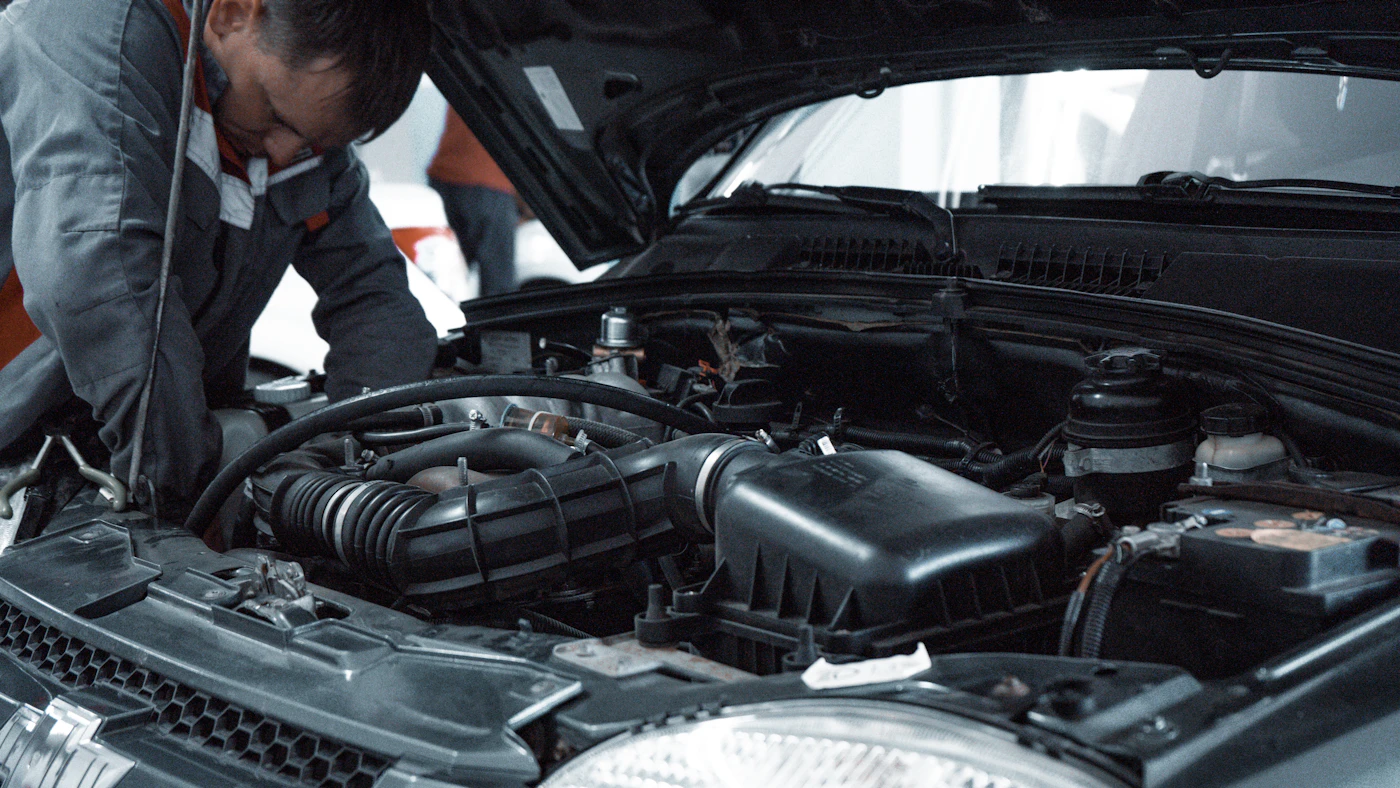
Next, look under the hood at the belts and hoses. Cold makes rubber stiff and brittle. A belt that looks fine in the winter can develop cracks by summer, and a hose that is soft or swollen can fail under the higher pressure of a hot cooling system. Run your hand along the hoses (with the engine off and cool) and feel for bulges, hard spots, or any give that seems excessive. Look at the belts for glazing, fraying, or deep cracks on the ribs. If you see anything questionable, have a mechanic replace the parts before they become a roadside emergency.
Finally, keep the cooling system in mind, even when it is freezing outside. The coolant does more than prevent ice; it also protects against boiling and internal corrosion. Check the overflow tank level when the engine is cold, and top it off with the type of coolant specified for your car if it is low. If the fluid looks rusty, cloudy, or has particles in it, that is a sign the system needs a flush and fresh coolant. That is a messy job best left to a shop, but noting the condition now can save you from an overheated engine and a long tow later. A little winter attention goes a long way toward a trouble-free summer.
Spring: The Pre-Summer Tune-Up
As the calendar turns and the mercury starts climbing, it’s time to shift your attention from cold-weather survival to hot-weather readiness. Spring is the ideal window to catch small issues before they become roadside headaches in July.
Start with the air conditioning. Run the system for a few minutes on a mild day with the windows down. You’re listening for unusual noises and checking that the air gets genuinely cold. If it blows warm or sounds strained, have a professional inspect the refrigerant and compressor. That’s not a DIY job, but catching it now beats a sweltering appointment in peak season.
Next, look at your tires. Heat increases air pressure, so check pressures when the tires are cold, using the placard inside the driver’s door frame as your guide. Inspect the tread for uneven wear, which might point to alignment or suspension issues. A simple penny test can show adequate depth, but if edges look feathered or balding, get a professional opinion.
Fluids deserve a quick look, too. With the hood open and the engine cool, check the coolant level in the reservoir—never open a hot radiator. Also, glance at the brake fluid and washer fluid. Topping off washer fluid is an easy, safe task; anything low that requires adding more than a splash is worth a shop visit to rule out a leak.
Finally, tackle the undercarriage. Winter leaves behind road salt, sand, and grime that can hasten corrosion. A visit to a car wash with an underbody spray option is an easy, effective way to rinse it away. While the car is clean, take a flashlight and look for any obvious dripping or hanging parts. Routine cleaning is simple, but if you spot significant rust or leaks, leave the evaluation to a mechanic.
Summer: Daily and Weekly Habits for Peak Heat
When the thermometer climbs, your car works harder in ways you can often feel and see. Daily routines matter. Before you pull out of the driveway, take a quick glance at the temperature gauge as the engine warms up. It should settle into its usual range and stay there, even with the air conditioning on. If it creeps higher than normal on a hot day, that is a sign to have the cooling system checked by a professional, not a problem to ignore.
Tire pressure is another thing that shifts with heat. As pavement temperatures rise, the air inside your tires expands. Check pressures weekly, ideally in the morning when tires are cool. Use a reliable gauge and compare readings to the placard on the driver’s door frame, not the number molded into the tire sidewall. Properly inflated tires run cooler and handle better, but never exceed the recommended setting for your vehicle.
Inside the cabin, a few small habits make daily driving more comfortable:
- Use a reflective sunshade in the windshield when parked. It keeps the steering wheel and seats from becoming painfully hot.
- Crack the windows an inch or two on very hot days to let trapped heat escape.
- Park in shade whenever possible, even if it means a short walk.
Clean air matters, too. A dusty, clogged cabin air filter restricts airflow and makes the AC work harder. You can check it yourself if the access panel is easy to reach behind the glove box. Hold it up to the light; if you cannot see through it, replace it yourself or ask a shop to do it. Routine checks like these keep your car steady through the hottest weeks.
Fall: Assessing and Repairing Summer Wear
Once the intense heat breaks, it’s worth giving your car a closer look before the first real cold snap. Summer often masks minor problems that become major headaches in freezing temperatures. A quiet afternoon with a flashlight can save you from a more expensive and uncomfortable situation later.
Start with a visual check under the hood and along the ground where you park. Look for any fresh stains on the driveway or puddles under the engine bay, which can point to a slow leak that summer heat may have kept fluid enough to drip. Pay attention to the battery terminals. Heat accelerates corrosion on the posts and cables, so if you see a chalky blue or white buildup, that’s a sign the connection may be weakening as temperatures drop. This is a straightforward observation, but cleaning or tightening terminals is a job best left to a mechanic if you are at all unsure.
Tires deserve a close look too. Hot pavement and long trips can wear down tread faster than city driving. Check the tread depth with a simple visual test and look for any cracks in the sidewall that might have developed from sun exposure. If the tires look unevenly worn, that could point to an alignment issue from a harsh summer pothole.
- Check under the car for fresh fluid leaks and note their color and location.
- Inspect battery terminals for corrosion without touching them directly.
- Look at all four tires for even wear, cracks, or bulges.
Finally, test your windshield wipers. Summer sun dries out rubber, so blades that worked in July may now streak or chatter. If they leave visible lines, a replacement is a simple, safe fix you can do yourself, and it makes a real difference when the first wet leaves or sleet arrive.
When to Call a Professional
While many summer prep tasks are straightforward, some systems are best left to a qualified mechanic. Knowing the difference can save you from a costly mistake and keep you safe.
Here are the areas where professional help is the right call:
- Air conditioning service. Recharging or “topping off” the AC system involves pressurized refrigerant. Handling it improperly can cause serious injury, and overcharging can damage the compressor. A shop has the equipment to evacuate, test for leaks, and recharge the system to the exact specification for your vehicle.
- Coolant system flushes. Draining and refilling the radiator is messy and, more importantly, the system is hot and pressurized. Opening it at the wrong time can result in severe burns. A professional can safely dispose of old coolant and check the condition of hoses, the thermostat, and the radiator cap while the system is open.
- Complex electrical diagnostics. If your battery is fine but you have a slow crank, flickering lights, or a warning light on the dash, this points to wiring, the alternator, or the starter. Modern electrical systems require specialized test equipment to diagnose correctly. Guessing here can lead to replacing parts that aren’t actually faulty.
- Brake system checks. If your brakes feel spongy, pull to one side, or make a grinding noise, this is not a DIY job. Brake fluid is corrosive, and a failure in this system is a direct safety risk.
In general, if a task requires you to lift the vehicle on jack stands, drain a fluid you cannot easily contain, or work near a hot engine with the cooling system pressurized, call a shop. It is not about skill; it is about having the right tools, the correct disposal methods, and the experience to catch secondary problems before they leave you stranded on the hottest day of the year.