Why Most Car Organizing Systems Fail
You buy a backseat organizer, a trunk bin, and a few mesh pouches that hang off the headrests. For the first week, everything has a place. Then the coffee cup goes in the cupholder, the reusable bag gets tossed on the passenger seat, and the dog leash ends up under the brake pedal. The system isn’t broken—it was just designed for someone who never actually lives in their car.
Most organizing attempts fail for a few predictable reasons:
- Overcomplicated setups. If you need to unzip, unbuckle, or lift three layers to grab a hand sanitizer, you won’t use it. The system only works if it’s faster than tossing the item on the floor.
- Too many containers. A dozen labeled bins look great in a photo, but they take up cargo space you actually need for groceries, sports gear, or luggage. Empty containers are just clutter with a label.
- No routine. Organizing is not a one-time event. Without a five-minute habit at the end of each trip, things drift back to chaos. The system fails because it was built as a project, not a practice.
The key is to start small. Pick one area, like the center console or the trunk, and give yourself one simple rule: everything you keep must be something you used in the past month. Then make it adaptable. A single open tray beats a divided box, because you can shift things around as your needs change.
Remember that your car is a working space, not a showroom. A system that survives a muddy soccer practice and a rushed workday is better than one that looks tidy on a Sunday afternoon. Keep it loose, keep it simple, and revisit it on the first of each month. That is what actually works.
The Core Principle: Zones Over Containers
Most car organization advice starts with buying bins, hooks, and back-of-seat organizers. But before you spend money on more stuff, consider a simpler foundation: dividing your car into logical zones and assigning every item a home within those zones. This approach reduces clutter without relying on elaborate storage systems you have to maintain.
Think of your car as having four main areas: the driver’s zone, the front passenger zone, the backseat, and the trunk. Each zone serves a clear purpose, and the items that live there should reflect that purpose alone.
- Driver’s zone: Everything you need within arm’s reach while driving. That means your phone, sunglasses, toll pass, and maybe a small notepad. Nothing else.
- Front passenger zone: Items you grab when you leave the car or use on short trips—a reusable shopping bag, hand sanitizer, a folded umbrella.
- Backseat: Anything meant for passengers or daily family use. Kids’ books, a spare jacket, a small trash bag. Keep it to what you actually use in a typical week.
- Trunk: Longer-term items like an emergency kit, jumper cables, a blanket, and seasonal gear. If you don’t need it weekly, it belongs here.
Once you set these zones, the rule is simple: when you bring something into the car, place it in its zone. When you leave the car, take with you anything that doesn’t belong to a zone. This habit alone eliminates the accumulation of random objects that turn a tidy car into a mess.
Zones also make cleanup faster. Instead of sorting through a pile, you only need to check each zone individually. That’s a routine you can maintain in under two minutes a day, without buying a single organizer.
Setting Up Your Car's Zones in an Afternoon
The goal is function, not perfection. Start by clearing everything out of the car. Place items on the ground or a tarp, then sort them into three piles: keep, toss, and relocate to the house. This is also the moment to remove obvious trash and check for expired registration, insurance cards, or old snacks that have seen better days. Wipe down cupholders and door pockets with a damp cloth before you put anything back.
Think of your car in four simple zones:
- Driver's door: This zone is for items you need while driving. A small cloth or a pack of gum fits well here. Keep it minimal so nothing slides out when you open the door.
- Center console: Reserve this for items you use most often: sunglasses, a phone charger, and maybe a small notepad. Avoid letting it become a catch-all for loose change and receipts. A single small tray or a clean takeout container can separate the few things you keep.
- Passenger seat or floor: This is a temporary zone for a purse, briefcase, or items you plan to take inside. It should be cleared at the end of each trip, so keep it intentionally bare.
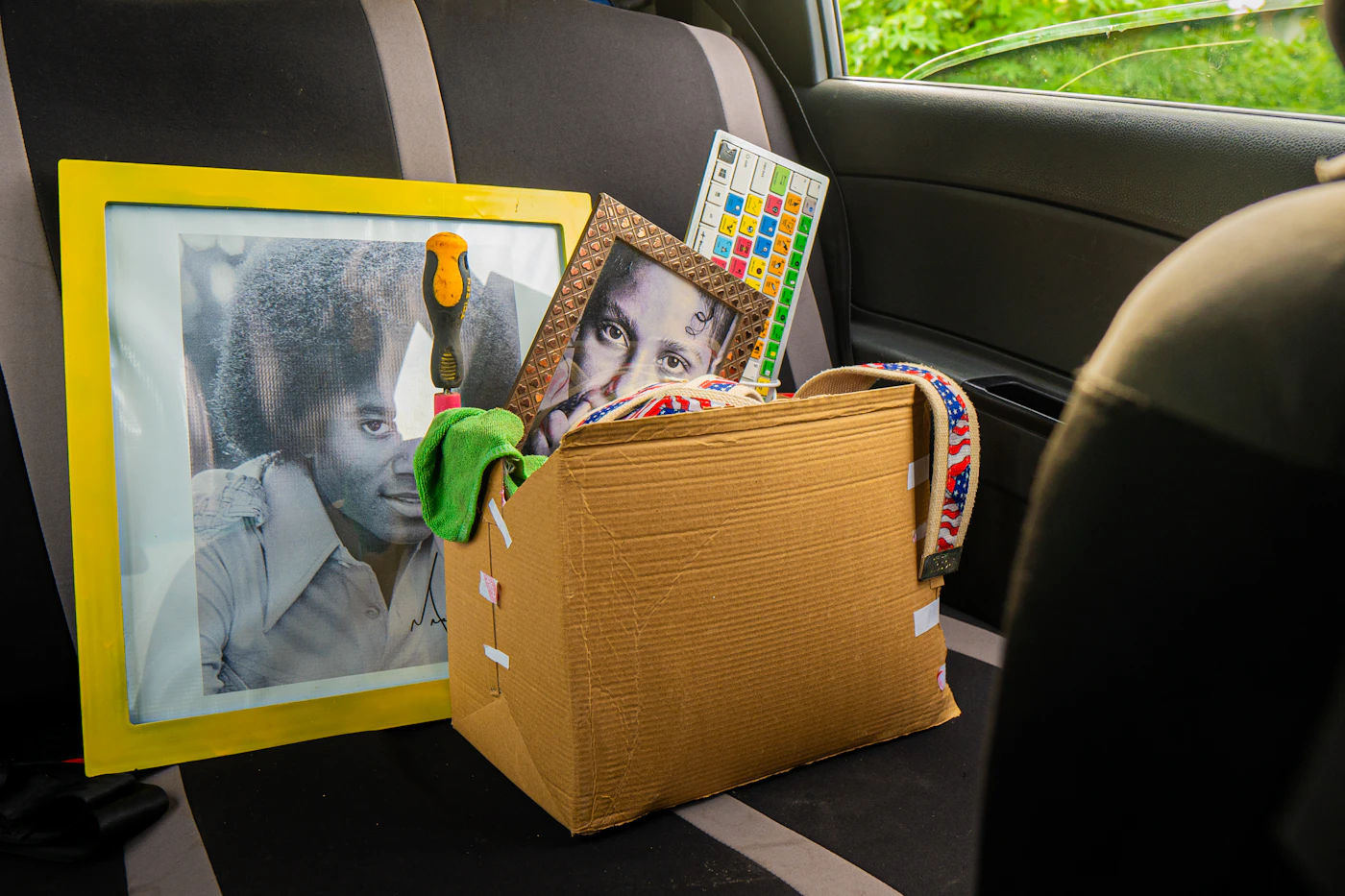
- Trunk: Use this for true emergency gear like a spare blanket, a basic toolkit, or jumper cables. A simple cardboard box or an old tote bag can group these items so they don't roll around. Check the expiration dates on any stored water or first-aid supplies, and swap them out as needed.
Resist the urge to buy organizers, bins, or specialty pouches. Old grocery bags, shoeboxes, or a clean plastic container you already own will do the job. Over-purchasing creates new clutter. Once the zones feel natural, you can maintain them by spending one minute at the end of each drive returning anything that has drifted. That small habit keeps the system working without extra effort.
A Weekly 10-Minute Reset That Sticks
Keeping a car organized does not require a full weekend detail. A short, consistent weekly reset keeps the cabin pleasant without turning into a chore. The goal is to return things to their usual spots and clear away the buildup before it becomes overwhelming.
Pick a regular time—maybe Sunday evening while the tank is filling, or the last few minutes of a lunch break. Walk around the car and collect stray items: water bottles, receipts, loose change, a jacket, or the bag from a drive-thru. Have one designated container, like a small bin or tote bag, to carry everything inside in a single trip.
Once inside, sort quickly. Trash goes out immediately. Items with a clear home—a reusable cup, an umbrella, a notebook—go back to their storage zones. If something does not have a logical place, make a decision right then: pick a spot in the car or let it live in the house.
Finish with a quick wipe-down of high-touch surfaces:
- Steering wheel and gear shift
- Door handles and window buttons
- The center console and cup holders
- The touchscreen or dashboard controls
Keep a small pack of microfiber cloths and a basic interior cleaner in the trunk so the wipe-down takes only a couple of minutes. You are not aiming for showroom shine—just removing the everyday residue and dust.
Consistency beats intensity here. A ten-minute reset every week prevents the need for a big cleaning session later. Over time, the routine becomes automatic, and you will spend less time hunting for things and more time simply driving.
Monthly Declutter and Seasonal Adjustments
Once a month, set aside about fifteen minutes to go through the cabin of your car without pressure to do a deep clean. The goal is to catch the steady accumulation of small items before they become a problem. Start with the easy surfaces: the center console, door pockets, and seat-back pouches.
- Pull out every receipt, napkin, and loose pen. Sort them into a trash bag or a small “take inside” pile. Old paperwork goes on the kitchen counter, not back in the car.
- Check the floor mats and under the seats for stray wrappers, bottle caps, or small toys that have rolled out of reach.
- Look through the glove box and remove anything that is clearly outdated, such as expired insurance cards or old fuel receipts.
- Give the trunk a quick once-over, but only handle items you can lift comfortably. Leave heavy or awkward loads for another time.
Seasonal adjustments are about shifting where you keep things, not buying new organizers. As the weather changes, think about which items you actually reach for. In cold months, move an ice scraper, a pair of gloves, and a warm blanket to the top of the trunk or the back seat. In warm months, swap those out for a reusable water bottle, sunglasses, and sun protection. Keep the spare umbrella in the same spot year-round so you always know where it is.
Do not attempt to remove seats, pry up trim panels, or disconnect any electrical components while cleaning. If something is stuck under a seat or in a tight gap, leave it and ask a professional during your next routine maintenance visit. A simple monthly habit keeps the car comfortable without turning organization into a second job.
Handling Common Trouble Spots
Even with a sensible zone plan, certain areas of the car seem to attract mess faster than others. The key is to give each trouble spot its own simple, contained solution so the chaos doesn’t spread to the whole vehicle.
Backseat chaos with kids. The biggest mistake is trying to keep the entire backseat tidy. Instead, give each child a single, dedicated caddy or small tote that stays on the floor or in the seat-back pocket. This is their personal zone for books, toys, and art supplies. When you get home, take two minutes to have everyone grab their caddy and bring it inside. If something is left behind, it stays in the caddy until the next trip—no need to police the whole seat.
- Use a caddy with a firm bottom so it doesn’t tip over and spill contents on sharp turns.
- Limit each child to items that fit in their caddy. If it overflows, it’s time to cull.
Trunk clutter. Loose items rolling around in the trunk are both annoying and unsafe. Designate one sturdy, lidded bin as the trunk’s only storage. Keep a small bag for trash or recyclables clipped to the side or tucked in a corner. The rule is simple: anything that doesn’t belong in the bin goes inside the house, not on the trunk floor. A few bungee cords or a non-slip mat can help keep the bin and other occasional cargo from shifting during normal driving.
Overflow from groceries. Groceries often come with bags that want to slide everywhere. Keep a couple of reusable, rigid totes in the trunk zone specifically for shopping trips. When you load, place the heaviest bags on the floor and lighter, crushable items on the seat or in the cargo area. This keeps things stable and makes the transfer from cart to car, and then car to kitchen, much smoother. After unloading, simply fold the totes flat and replace them in the bin. This prevents the trunk from becoming a graveyard of plastic bags and stray produce.