Start With Smart Storage: The Foundation for Creative Leftovers
The most creative leftover dishes start before the meal is even over. How you cool, portion, and pack food determines whether it will be a pleasure to repurpose in two days or a sad, dried-out mystery in the back of the fridge. Think of storage as the prep work for future cooking, not just cleanup.
First, get food out of the warm pan and into a shallow container sooner rather than later. Leaving a big pot of stew or a tray of roasted vegetables to cool on the counter for hours invites texture breakdown and gives bacteria a comfortable window to multiply. A wide, shallow dish lets heat escape quickly, which keeps the texture of vegetables crisper and the flavor of meats cleaner. Once the container no longer feels hot to the touch on the bottom, it can go into the refrigerator.
Portioning is where you make future cooking easier. Instead of storing a whole casserole or large batch of chili in one massive block, separate it into meal-sized or ingredient-sized portions. This does two practical things. It lets you thaw or reheat only what you need, and it gives you flexible building blocks. A single cup of roasted potatoes, one cooked chicken breast, or a small container of sautéed greens is much easier to turn into a frittata, a grain bowl, or a pasta toss than a heavy slab that demands a full reheat plan.
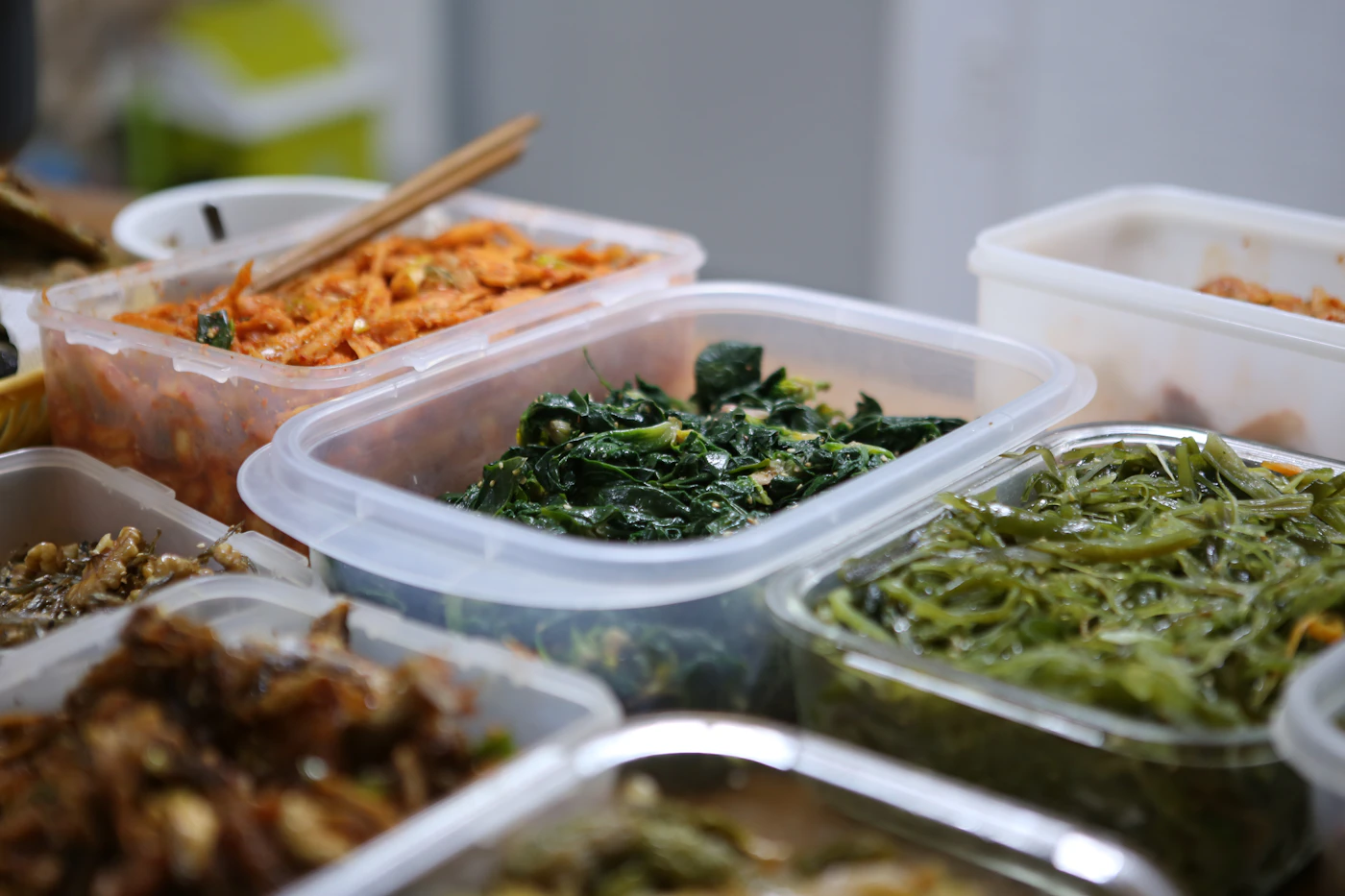
Airtight containers matter more than most people think. A loose lid or layer of foil lets in air, which dries out food and lets it absorb other smells from the fridge. Choose containers with snug lids, or press plastic wrap directly onto the surface of the food before closing it. This barrier keeps moisture in and prevents the flavor of last night’s fish from drifting into tomorrow’s rice. Labeling with just a word and a rough day is worthwhile if you cook often.
These steps take only a few minutes after a meal. They reward you with ingredients that are still vibrant, safe to use, and ready to be reimagined.
Change the Format: Turn Sides Into New Textures
The quickest way to make leftovers feel intentional is to change their physical form. A side dish that was perfect on day one can become a completely different component on day two with a little heat and a little force. You aren’t cooking a new meal; you’re just rearranging the one you already have.
Puree and mash. If you have boiled potatoes, cooked carrots, squash, or even a sturdy bean salad, run them through a food processor or mash them by hand with a splash of broth, milk, or olive oil. The result is a thick, spreadable base. Use it under a fried egg, as a filling for a quesadilla, or simply warmed in a bowl with a pat of butter. This works best with vegetables that are already tender.
Roast or fry. Last night’s steamed green beans, roasted root vegetables, or even rice are prime candidates for a second trip to a hot pan. Spread them in a single layer in a skillet with a little oil and leave them alone until the bottoms brown and crisp. Stir once and repeat. The edges turn crunchy while the centers stay soft, which gives you a texture contrast that plain reheating never will. Day-old rice, in particular, dries out slightly, which makes it ideal for frying into crispy, separate grains.
- Mash roasted potatoes and pan-fry the mash until a golden crust forms.
- Roughly chop cooked greens and crisp them in a hot skillet with garlic.
- Blend leftover soup into a thicker puree and use it as a sauce over grilled meat.
These techniques don’t require precise measurements. Use your eyes and your fork. If the texture feels too dry, add a little fat or liquid. If it feels too loose, cook it longer. The goal is a new shape and a new mouthfeel, not a perfect recipe.
Boost Flavor With Sauces, Dressings, and Spices
Reheating often dulls flavor. A spoonful of the right finishing touch can bring a dish back to life without much effort. The key is to add something that brightens, sharpens, or rounds out what is already there.
Acids work well on heavy foods. A squeeze of lemon or lime, a splash of vinegar, or a spoonful of pickle brine can cut through rich stews, roasted vegetables, or grain bowls. If the leftover tastes flat, a small hit of acid is usually the fastest fix. Try cider vinegar on braised greens or a bit of balsamic over roasted root vegetables.
Spices and herbs can change the whole character of a dish. A pinch of smoked paprika, cumin, or chili powder adds warmth to plain rice or beans. Fresh herbs—chopped cilantro, parsley, or dill—give a clean, lively note that dried ones can’t match. Add fresh herbs after reheating, not during, so they keep their color and fragrance.
Condiments can do double duty. A dollop of mustard or a spoonful of pesto stirred into a soup or pasta sauce adds depth right away. Hot sauce, soy sauce, or a dab of miso paste can push a mild dish in a new direction. Start small and taste as you go; it is easier to add more than to undo an over-seasoned pot.
- Lemon or vinegar for heavy stews and roasted meats.
- Smoked paprika or curry powder for plain rice, lentils, or roasted squash.
- Fresh herbs for vegetable sides and egg dishes.
- Pesto, mustard, or hot sauce for soups, pasta, and sandwiches.
A little confidence with seasonings means a boring container of leftovers turns into a quick, flavorful meal that doesn’t feel like a repeat. Keep a few bottles and jars within reach and taste often.
Repurpose Proteins Into Filling Wraps, Salads, and Bowls
The quickest way to make leftovers feel new is to change their texture and temperature. A roasted chicken breast that seems dry on its own can become something entirely different once you shred it with your fingers and toss it with a little olive oil and lemon juice. The same goes for a firm fish fillet: flake it apart gently, then let it sit in a simple vinaigrette for ten minutes. That short soak rehydrates the flesh and gives it a fresh, almost pickled quality.
Beans and tofu follow the same logic. Leftover beans can be lightly smashed with a fork and seasoned with salt, pepper, and a splash of vinegar to create a rough spread. Cubed firm tofu benefits from a quick pan-fry in a dry, hot skillet until the exterior turns golden and crisp, while the inside stays soft. If you have softer silken tofu, simply crumble it cold over grains like a mild, fresh cheese.
To build a balanced bowl, start with a cooked grain base, then layer your protein, and finish with raw vegetables for crunch. A few practical combinations:
- Shredded beef or pork over rice with shredded cabbage and a spoonful of mustard or hot sauce.
- Flaked salmon tossed with chopped celery and dill, served over greens or in a lettuce wrap.
- Crumbled firm beans, warm or cold, mixed into quinoa with diced bell pepper and red onion.
- Crisped tofu cubes piled onto farro or barley with sliced cucumber and a squeeze of lime.
For wraps, warm the protein slightly first—it makes rolling easier and prevents the tortilla from tearing. Keep the filling dry by blotting off excess sauce before assembling, and dress the vegetables separately if you can. This prevents a soggy meal and lets each element keep its own identity.
Give Stale Bread and Overcooked Grains a Second Life
Day-old bread and mushy grains usually get pushed to the back of the fridge, but they are some of the easiest leftovers to repurpose. The key is to stop thinking of them as failed meals and start treating them as blank ingredients.
For bread that has lost its spring, cut it into cubes and toss with olive oil, salt, and whatever dried herbs you have on hand. Spread them on a sheet pan and toast until golden. These croutons keep for a week in an airtight container and turn any salad or bowl of soup into something more substantial. If you prefer fine crumbs, pulse the stale bread in a food processor until you reach the texture you like. Toast the crumbs in a dry skillet for a few minutes, stirring often, to give them crunch. They work well as a coating for chicken or a topping for macaroni and cheese.
Bread that is beyond croutons but not moldy makes a decent bread pudding. Tear it into chunks, soak it in a mixture of eggs and milk for about half an hour, then bake with a little sugar and cinnamon—or go savory with cheese and herbs.
Overcooked grains like rice, quinoa, or farro are ideal for fritters. Mash them lightly with an egg, some grated onion, and a handful of shredded cheese. Form small patties and pan-fry in a little oil until browned on both sides. For something simpler, stir leftover grains into broth with vegetables for a quick soup that thickens naturally. Fried rice is another reliable route: cold grains fry up best, so spread them on a plate and let them dry out before tossing them into a hot skillet with soy sauce, scrambled egg, and any chopped vegetables you need to use up.
The only thing that does not work well is reheating grains in the microwave on full power; that turns them gummy. Use a splash of water and low heat, or skip the microwave entirely and let them crisp in a pan.
Know When to Freeze and When to Call It Done
The freezer is a great tool, but it is not a time machine. Before you stash that container, ask yourself if the dish actually travels well. Soups, stews, chili, cooked grains, and casseroles with a sauce base are reliable candidates. They hold their texture and reheat without much fuss. On the other hand, fried foods, creamy salads with mayonnaise, and dishes with a crisp topping tend to turn soggy or grainy. You can freeze them, but expect a change in quality that might not be worth the effort.
Labeling matters more than you might think. A quick note with the dish name and the date you froze it prevents the mystery-container problem a few weeks down the road. Use a permanent marker on the bag or a piece of masking tape on the lid. When you add new leftovers, push the older ones to the front of the shelf or the top of the pile so they get used first. This simple rotation keeps meals from languishing in the back for months.
Know when to skip the freezer altogether. If something has been sitting in the refrigerator for a few days and shows any of these signs, let it go:
- An off or sour smell that wasn’t there when you cooked it
- Visible mold, even a small patch
- A slimy or sticky surface on meat, poultry, or fish
- A texture that has gone mushy or separated in a way that looks wrong
When in doubt, your nose and your eyes are decent guides. Freezing does not kill bacteria; it only pauses their growth. If a dish has turned before it goes in the freezer, it will not improve later. Trust your judgment, and when a leftover no longer looks or smells the way it should, tossing it is the practical move.