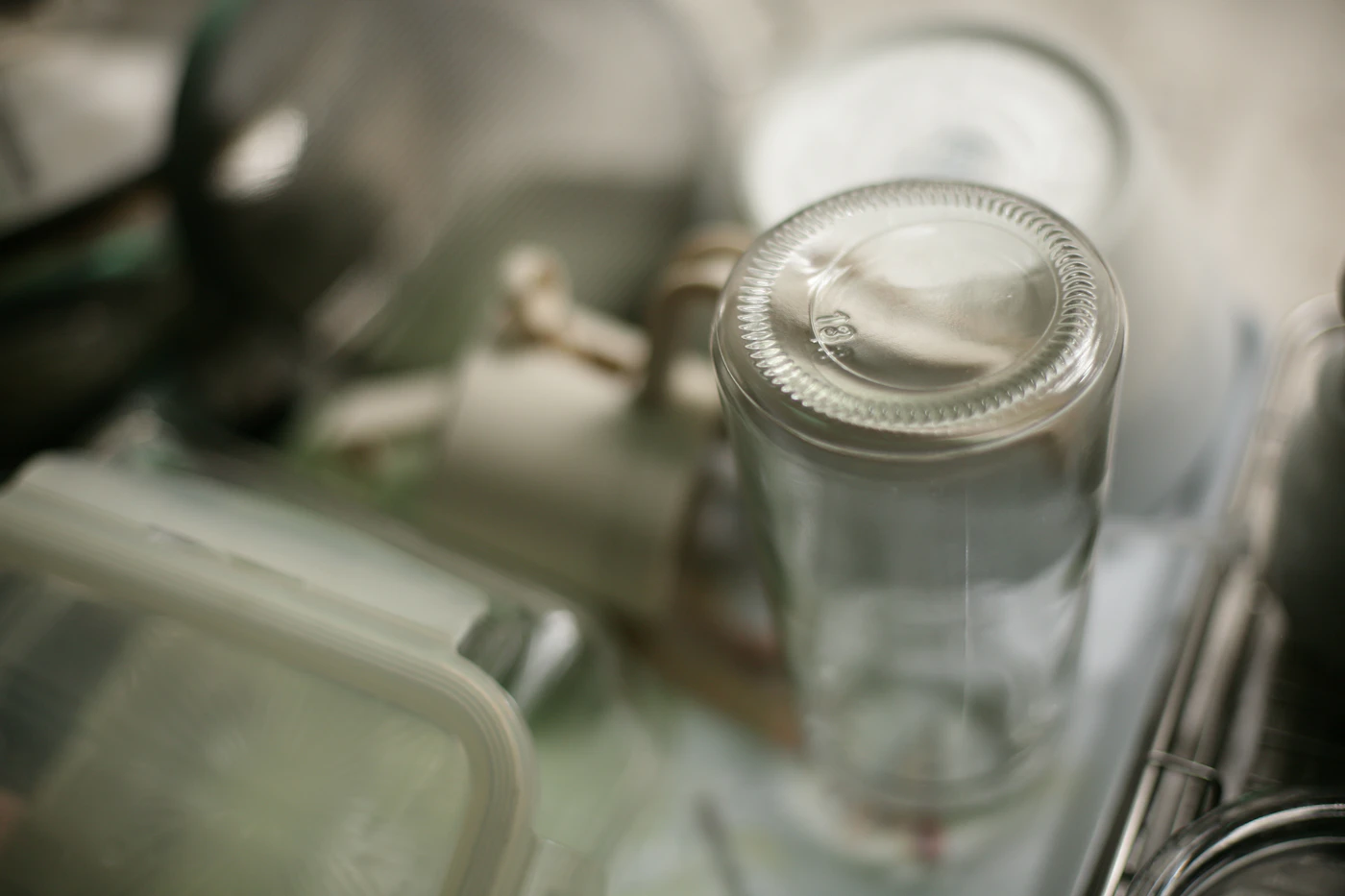
Start With Your Actual Storage Spots
Before you buy a single container, take a honest look at where food storage actually happens in your home. Open the cabinet where you keep leftovers, measure the shelf height in your pantry, and note the usable depth of your refrigerator shelves. That three-inch gap under a cabinet or the narrow space beside the fridge often dictates what will work far more than any container catalog.
Think in zones. A deep lower cabinet handles tall containers and bulk dry goods, while a shallow drawer suits flat, rectangular options for lunch prep. In the fridge, you likely have one shelf that is always crowded and another that sits mostly empty. Match your container sizes to those patterns rather than buying a uniform set.
Pay attention to physical fit, not just volume. A wide, squat container may hold the same amount as a tall narrow one, but only the tall version will fit on your spice shelf. When measuring, include the lid—stacked containers take up more vertical space than you expect.
Prioritize the containers you reach for weekly:
- One or two large options for batch cooking or big salads
- Several medium sizes for single servings of grains, proteins, or chopped produce
- A few small ones for dressings, nuts, or leftover sauce
Resist the urge to fill every gap with a new purchase. If your most common habit is storing lunch portions, buy those sizes first. If you rarely freeze soup, skip the gallon-sized freezer tubs entirely. A practical set grows from your actual routines, not from what looks organized in a store display.
Choose Shapes That Stack and Nest
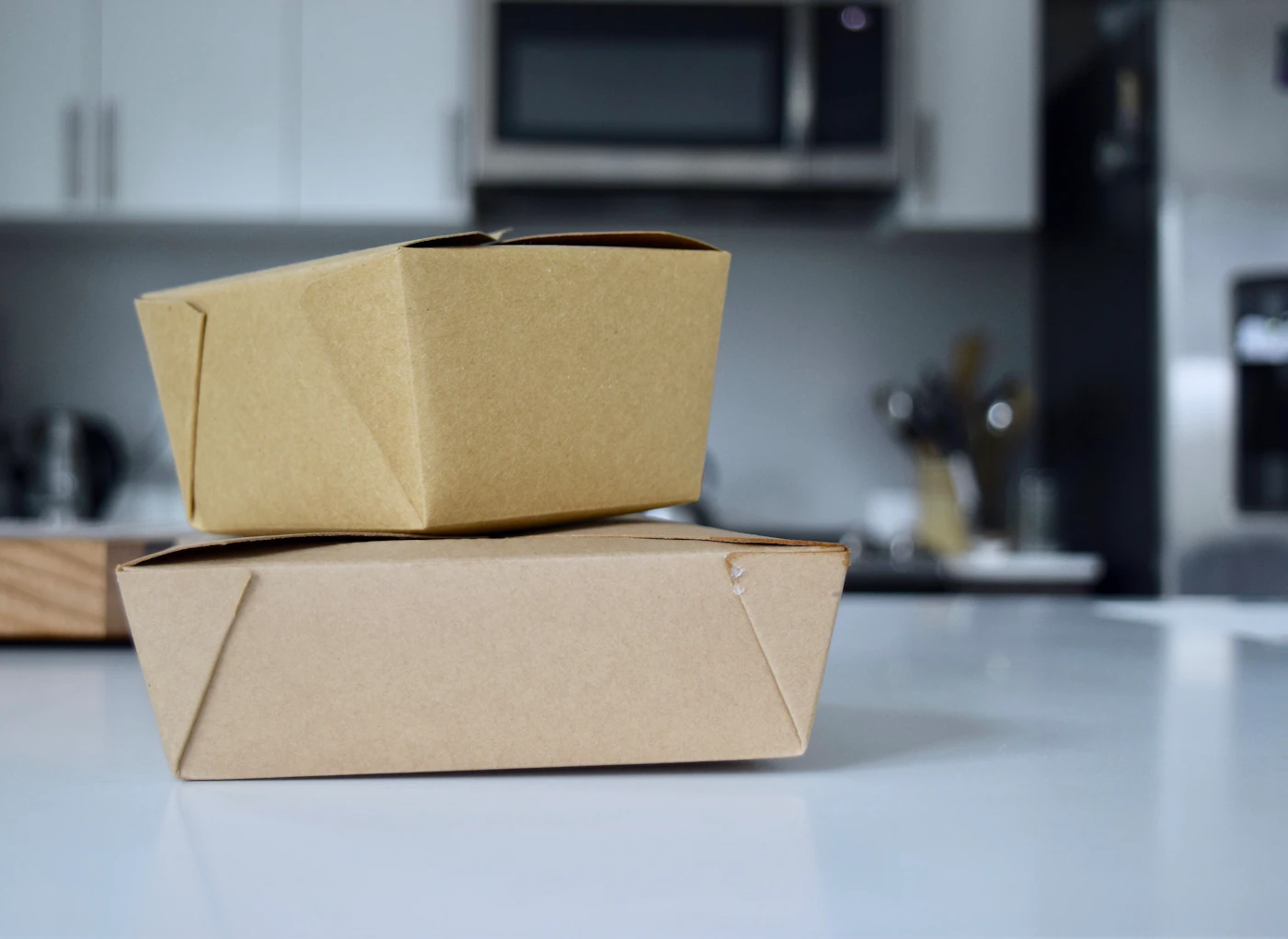
When cabinet or pantry space is tight, the shape of your containers matters as much as their size. Round containers may look pleasant on a shelf, but they leave awkward gaps beside one another and rarely use vertical space well. Square and rectangular options fit together with little wasted room, letting you line them up neatly like books on a shelf.
Before buying, test how the containers behave in two situations: filled and empty. Filled containers should stack securely on top of one another without wobbling or risking a spill when you reach for the lower one. Empty containers should nest inside each other so they take up a fraction of their original height when stored between uses. If a set only stacks when full but takes up a whole shelf when empty, you will quickly run out of room.
Pay attention to the lids as well. Lids that lock or snap into place can sit flat on top of the container, which lets you stack another container directly above it without a tall, unstable pile. Loose or domed lids add height and make stacking awkward, so you end up storing lids separately and losing track of which one fits which base.
A practical approach is to measure your actual storage space before you shop. Note the height of your shelves and the depth of your drawers, then choose containers that fit those dimensions as a set. This simple step prevents the common mistake of buying a matching set that looks tidy in the store but does not align with how your kitchen is laid out.
- Stick with square or rectangular bases for efficient use of shelf depth.
- Test stacking with a filled container to confirm it feels stable.
- Check that empty containers nest to save overhead space.
- Prefer flat, snap-on lids over domed or loose ones for easy stacking.
Pick Materials Based on Use and Feel
The material of your storage container matters more than the brand or the lid design. Each option has clear trade-offs, and the best pick depends on how you actually cook and pack leftovers.
Glass containers are non-porous, which means they will not hold onto tomato sauce smells or greasy residue. They heat evenly in a microwave and go straight from the fridge to the oven if the lid is removed. The downsides are real, though: they are heavier to carry, take up more space in a packed cabinet, and can chip or shatter if dropped on tile.
Plastic containers are the easiest on your back and your budget. They stack neatly, and most are dishwasher-safe. The main issue is staining and odor retention, especially with curries or red sauces. To extend their life, air them out before closing the lid, and avoid microwaving oily foods directly in them, as heat can speed up wear.
Silicone containers are the foldable option for tight drawers. They collapse flat when empty and expand to hold a serving or two. They are flexible enough to pop out leftovers easily, but that same flexibility means they can tip over in a full fridge. They also tend to wobble when filled, so set them on a tray if you are stacking.
- Choose glass if you prioritize freshness and do not mind the weight.
- Choose plastic if you carry lunches daily and want low fuss.
- Choose silicone if cabinet space is your top constraint.
There is no perfect material. Handle a few options in the store, close the lids, and picture them in your fridge. The one that feels natural to grab will be the one you use consistently.
Keep Visibility High to Avoid Forgotten Food
When cabinet space is tight, out of sight truly means out of mind. A container that hides its contents is an open invitation for leftovers to linger until they are past their prime. Choosing clear glass or plastic containers for daily use lets you see exactly what is inside at a glance, which makes meal planning and quick grab-and-go choices much simpler.
If you prefer the look of opaque canisters or ceramic dishes, clear labeling becomes essential. A simple adhesive label with the contents and a date works well, but a permanent marker on a piece of painter’s tape is just as effective and easy to remove. Write the date you stored the item, not the date it was made, so you always know how long it has been sitting there.
Grouping similar items together also reduces wasted time and forgotten purchases. Keep all grains on one shelf, all canned goods in one area, and all prepared leftovers in a designated spot. When you bring home new groceries, place them behind older items. This first-in, first-out habit is simple but powerful:
- Put newly purchased items at the back of the shelf or container.
- Reach for the older item in front first.
- Do a quick weekly check of perishable leftovers before planning meals.
For dry goods such as flour, pasta, or rice, a clear container with a tight seal protects texture and keeps pests out. Just remember that no container can improve the quality of what is already past its best. If an item has been stored for a long time, rely on your senses of smell and sight before cooking. Storing with visibility in mind is not about perfection; it is about making the most practical use of your limited space and your ingredients.
Use a Modular System for Dry Goods and Leftovers
When cabinet space is tight, mismatched containers waste more than room—they waste time. A single set with multiple sizes lets you nest the pieces when they are empty and stack them when they are full. You do not need to buy a full matching set at once; even two or three sizes from the same line will store more efficiently than a jumble of tubs with missing lids.
Smaller containers work best for snacks, spice portions, or single servings of leftovers. Larger ones suit family meals, batch cooking, or bulk dry goods. The key is choosing sizes that actually see use, not a range that looks impressive but leaves half the pieces in the back of a cabinet.
- For dry goods like flour, sugar, or pasta, look for containers with wide mouths or pour spouts. A scoop-friendly opening beats a narrow lid when you are measuring repeatedly.
- For leftovers, square or rectangular shapes pack tighter in the fridge than round ones. They also stack without wasting corner space.
- Keep lids with their matching containers whenever possible. Stacking containers without lids creates a messy pile; placing the lid underneath or clipping it on before storing keeps pairs together.
If you prefer a lid rack or a shallow drawer organizer, that works too—as long as you can grab a lid without sorting through everything. A modular system does not mean rigid rules; it means every piece earns its place. Before buying, check what you actually store each week, then choose sizes that cover those routines. This approach is simpler than chasing a perfect set, and it keeps your limited space flexible without constant reorganizing.
Maintain a Simple Rotation and Cleaning Routine
Keeping your food storage containers useful starts with how you treat them between uses. After each meal, wash containers and their lids in warm, soapy water, then dry them completely before stacking or nesting them back into the cabinet. Moisture left inside a sealed container can encourage odors or mold, especially if the container sits unused for a while. A quick towel-dry of rims and lids takes little time and prevents that stale, musty smell from developing.
A simple rotation habit also helps you avoid wasted food. When you put away leftovers, move older containers to the front of the shelf and place newer items behind them. This way, you naturally reach for what should be eaten first. It is a low-effort habit, but it makes a noticeable difference in how much usable food you toss out each week.
- Go through your container drawer or cabinet every couple of months.
- Remove any lids that are warped, cracked, or no longer snap onto a matching base.
- Recycle or repurpose containers that are missing lids entirely, as they rarely earn their space back.
Decluttering this way keeps your collection manageable. You will find that having fewer, fully matched sets makes the daily routine faster and less frustrating. If you buy new containers later, you can choose ones that fit the same nesting system already in place, which helps keep your limited storage area orderly without extra effort.