Mistake 1: Overpacking Clothes for Every Possibility
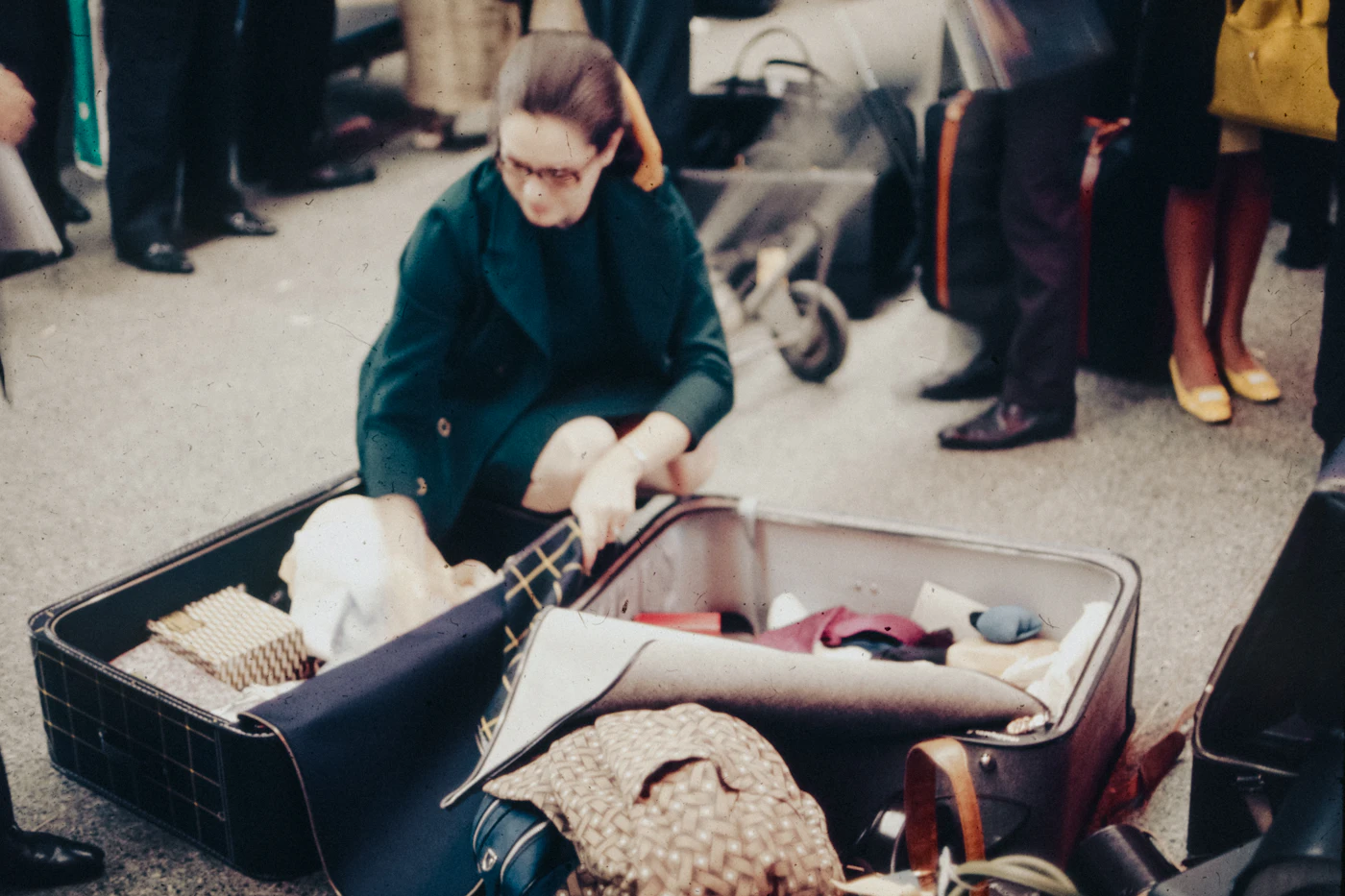
It is easy to fall into the habit of packing as if you are preparing for a month-long expedition, even when the trip is only a few days. You might find yourself tossing in a separate outfit for every meal, a bulky jacket for a forecast that mentions clouds, and three types of footwear just in case. Before you know it, the back seat is a mountain of luggage, and every stop becomes a wrestling match with your bags.
The real issue is that packing for every imagined scenario adds weight and stress without adding much value. On a short road trip, you simply do not need that many options. A more practical approach is to build a small capsule wardrobe around your one or two core activities. If the plan is hiking and dinners out, pick items that work for both. Choose versatile pieces that layer well, so a single base layer, a mid-layer, and one outer layer can handle a wide range of temperatures.
- Stick to a simple color palette so everything mixes and matches easily.
- Limit shoes to two pairs: one comfortable for walking and one slightly dressier.
- Commit to doing a quick sink wash midway through the trip if you run low.
This approach saves space, cuts down on clutter, and makes your daily decisions much easier. Instead of staring at a pile of clothes, you simply grab what works. You will spend less time packing and more time enjoying the drive.
Mistake 2: Forgetting the Essentials for Comfort and Emergencies
It is easy to focus on the big luggage items—clothes, toiletries, and snacks—while overlooking the small things that make hours in a car tolerable. Without a few comfort staples, a sunny afternoon can become squinty and dry, and a long stretch of highway can leave your neck stiff. Likewise, skipping basic emergency items means a minor problem, like a loose bolt or a paper cut, can become a frustrating delay.
The goal is not to build a full survival kit or to pack for every possible disaster. The goal is to cover the small, likely annoyances so they do not interrupt your plans. A little forethought keeps the trip relaxed without adding bulky gear.
Start with a simple everyday carry list that lives in the glove box or a small tote:
- Sunglasses and lip balm
- A comfortable neck pillow or rolled-up sweater
- Hand sanitizer and facial tissues
- Phone charging cables and a basic car charger
- A refillable water bottle for each passenger
Next, assemble a separate, small emergency pouch. This is not for major breakdowns; it is for practical fixes and minor injuries:
- A compact flashlight with fresh batteries
- A multi-tool or basic screwdriver set
- A small first-aid kit with bandages, antiseptic wipes, and pain relievers
- Jumper cables and a basic tire pressure gauge
Keep comfort items within reach for passengers, and store the emergency pouch in the trunk. Checking these two lists before you leave takes only a few minutes and prevents the most common roadside inconveniences from ruining your day.
Mistake 3: Poorly Managing Food and Drinks
It is tempting to assume you will grab something quick along the way, but relying on fast food for every meal adds up in cost, time, and general discomfort. The opposite problem is just as common: packing a cooler so full of perishable goods and single-use drink bottles that there is no room for anything else, and half of it goes bad before you reach your destination.
The goal is not to replicate your kitchen on the road. It is to keep everyone comfortable and avoid unnecessary stops. A small esky is usually enough for a short trip. Focus on refillable water bottles for each passenger rather than a case of individual drinks. This saves space and reduces waste. For food, think about items that do not need ice to stay safe and are easy to handle while seated.
A simple strategy works best:
- Pack snacks for the first leg only. Trail mix, granola bars, or dried fruit survive temperature changes and do not create a mess.
- Bring one or two built meals. Sandwiches, wraps, or a pasta salad in a sealed container are practical for a roadside picnic at a rest area.
- Plan for easy cleanup. Pack a small bag with paper towels, a spare plastic bag for trash, and wet wipes.
Keep perishables minimal. If you bring something that needs to stay cold, place it at the bottom of the esky and avoid opening it repeatedly. The aim is to keep the car tidy and the trip moving, not to cater for every possible craving. A little forethought here prevents the frustration of a soggy cooler and a hangry backseat.
Mistake 4: Ignoring Road Trip-Specific Vehicle Needs
It is easy to treat a short road trip like a regular commute, but the car needs a little more thought when it will be carrying luggage, passengers, and covering unfamiliar miles. Many drivers assume that because the trip is brief, skipping a basic inspection is fine. That assumption often leads to preventable delays.
Before you load the trunk, take ten minutes for a simple walk-around. Check that all tires, including the spare, have adequate pressure and visible tread. Look for obvious leaks or worn wiper blades, and confirm that fluid levels—such as oil, coolant, and washer fluid—are within normal range. These are straightforward checks you can do yourself without any tools beyond a gauge and a cloth.
Beyond the mechanical side, pack a dedicated car bag so you are not searching through suitcases at a rest stop. Useful items include:
- A phone charger that reaches the driver’s seat, plus a backup cable
- A printed or downloaded map in case your phone loses signal
- A basic repair kit with jumper cables, a flashlight, and a tire inflator
- Your registration, insurance card, and roadside assistance contact information
Clean the windows and mirrors before you leave, too. A quick wipe improves visibility more than you might expect, especially during dawn or dusk driving.
If you notice anything unusual—odd noises, warning lights, or a tire that looks low—do not guess. Have a qualified mechanic inspect it before you go. A short trip does not justify taking risks with your vehicle; a few preventive steps keep the focus on the journey rather than a breakdown.
Mistake 5: Packing Too Much Tech and Not Enough Practical Items
It is easy to treat a road trip like a mobile office. Between phones, tablets, cameras, headphones, and multiple chargers, the cabin can quickly become cluttered with devices that demand attention and wall outlets. This approach adds weight, creates charging conflicts, and pulls focus away from the scenery outside the window.
For a short journey, a single smartphone is usually enough for navigation, music, and photos. Before you leave, download offline maps for your route. A battery pack is a dependable backup, especially for long stretches between towns. Leave the bulky laptop and dedicated camera gear at home unless your trip has a specific need for them.
Use the saved space for items that improve the ride itself:
- A portable phone holder for hands-free calls and stable navigation views.
- A folded paper map as a low-tech backup that never runs out of battery.
- A small multi-tool for quick fixes, loose screws, or opening packages without hunting for a knife.
This approach also reduces distractions. Fewer pings, notifications, and screens mean you stay more present with your travel companions and the road ahead. Save the heavy gear for trips that genuinely require it, and keep the short trip simple and responsive to the moment. A lighter cabin makes for a more comfortable ride and fewer reasons to stop and fiddle with settings instead of enjoying the journey.
Mistake 6: Failing to Plan for Weather and Time Flexibility
It is tempting to pack for the version of the trip you hope for: sunny skies, warm evenings, and clear roads. But a short road trip often crosses microclimates, and a forecast for one town rarely applies to the entire route. A sunny start can turn into a chilly, damp afternoon in the mountains or near the coast. Without a plan for that shift, you end up uncomfortable or buying overpriced gear at a roadside stop.
Before you zip your bag, check the forecast for every planned stop, not just the departure point. Then, pack for the worst-case version of that forecast—within reason. The most practical approach is to build a layering system:
- A moisture-wicking base layer that works alone in mild weather.
- A mid-layer, like a fleece or light sweater, for cooler moments.
- An outer shell that blocks wind and rain. A compact umbrella is a backup, not a substitute, for a proper rain jacket.
Time flexibility matters just as much as clothing choices. A rigid itinerary with no buffer turns a flat tire or a longer lunch into a source of stress. Build in extra time between destinations—even thirty minutes helps—and have one backup activity per day that is indoors and close to your route. This way, a sudden storm or a closed scenic overlook is a minor pivot, not a ruined plan. You also leave room for the unexpected roadside attraction that often becomes the best memory of the trip.
The goal is not to eliminate uncertainty but to reduce its cost. With adaptable layers and a loose schedule, you stay comfortable and calm, regardless of what the sky or the traffic decides to do.