Start with a Daily Five-Minute Sweep
The living room tends to collect the day’s leftovers: a throw pillow on the floor, a coffee mug on the side table, the mail that landed on the ottoman. Rather than waiting for a weekend reset, a quick daily sweep keeps the space from feeling like a storage bin. Set a timer for five minutes if that helps, and move through the room in the same order each day.
Begin with the floor. Return toys, shoes, books, and remote controls to their homes. Next, clear flat surfaces—the coffee table, media console, and end tables. Sort items into three mental piles: trash, things that belong elsewhere in the house, and items that legitimately live in the room. Carry the first two piles to their destinations immediately; don’t set them down in another spot “for now.”
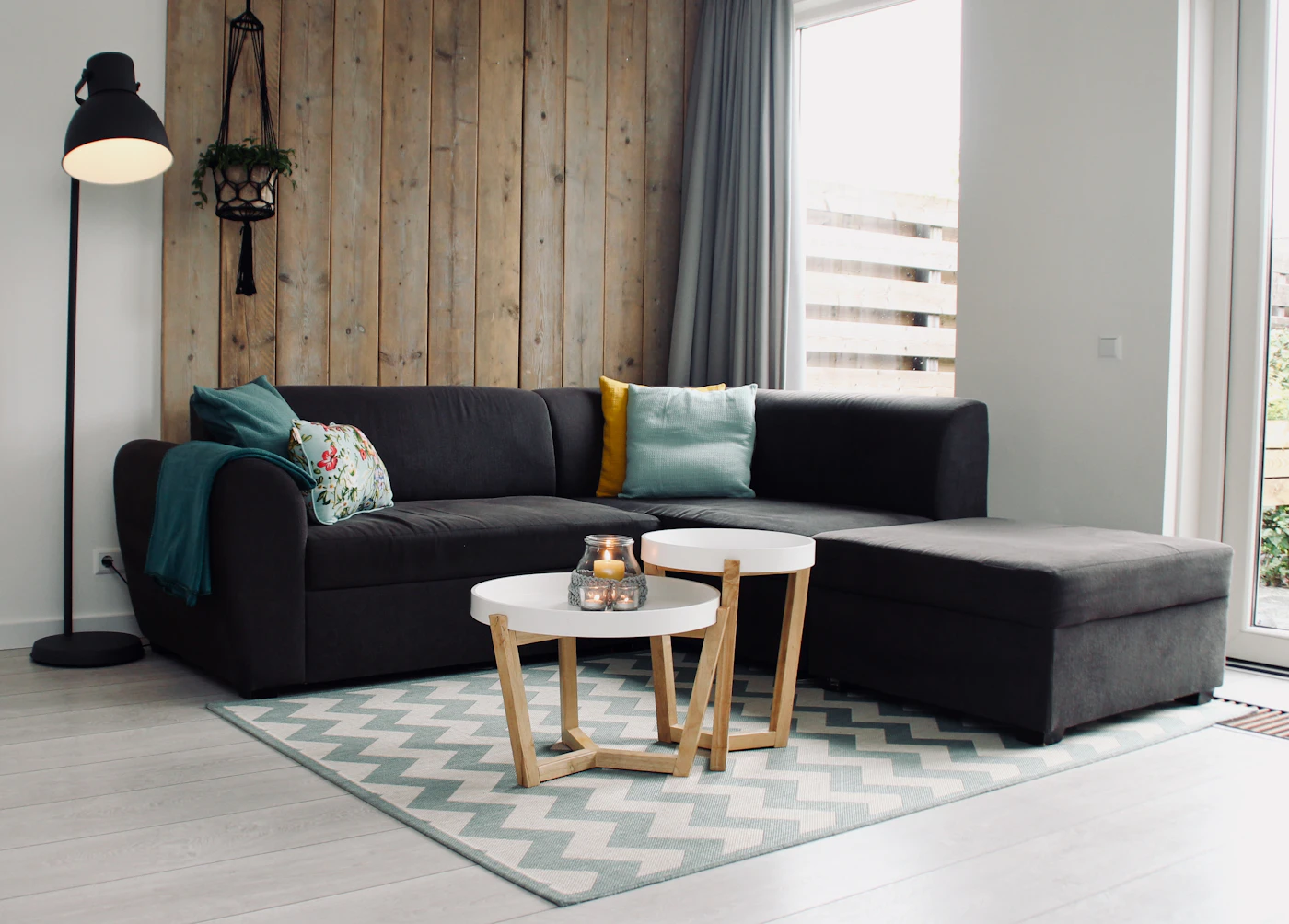
- Fluff and reposition couch cushions and throw pillows; it instantly makes the seating area look deliberate.
- Fold or drape any blankets left on the sofa or chairs.
- Wipe down the coffee table with a dry microfiber cloth to pick up dust and crumbs.
- Straighten the stack of magazines or remotes on the console.
To make it stick, attach the sweep to an existing habit, such as right after dinner or just before turning off the lights for the night. Keep a small basket near the door for items that need to go upstairs or to another room. The goal is not deep cleaning; it’s simply stopping the visible chaos from building up. If you notice sticky spots, grime, or anything that needs a cleaner or a tool, save that for a weekly or monthly session rather than slowing down your everyday routine.
Adopt a One-Touch Rule for Everyday Items
The coffee table and sideboards are usually the first places to collect the day’s loose ends. Mail, remote controls, glasses, and small personal items tend to land there because they are in active use. The problem is that “for now” easily becomes “for good,” and the surface turns into a staging area rather than a place to set a drink or a book.
A simple shift is to handle each item once when it comes in the room. That means making a quick decision at the moment you set something down. For mail, sort it right away: toss the obvious junk, put bills in a designated spot, and place anything that needs a reply in a single tray. For remotes and small accessories, give them a dedicated home on the table’s edge or in a small caddy. If they have a defined spot, they are less likely to scatter.
A practical way to start is with a landing tray near the entry to the living room. Use it for keys, sunglasses, and similar items that are in transit. Then, build in a daily decision moment, such as before you settle in for the evening or while you wait for your coffee to brew. Walk the perimeter of the room and return any stray items to their homes. This takes less than a minute and keeps the habit current.
- Designate one small tray for incoming items, not a catch-all for everything.
- Sort mail at the table the moment it arrives, not after it sits for a week.
- Keep a small bin or caddy for remotes and charging cables.
- Schedule one quick sweep at the same time each day to keep surfaces clear.
This approach works because it removes the need for a big tidy-up later. You are making a series of small, continuous choices rather than facing an overwhelming pile.
Use Baskets and Trays to Corral Loose Objects
Open shelves and coffee tables tend to attract clutter because they offer a flat, handy place to set things down. The trick is not to fight that habit but to give it a clear destination. A few well-chosen containers make a room look tidier in seconds, and they turn a full reset into a quick roundup rather than a sorting project.
Think about the objects that drift to the living room: remotes, reading glasses, a stray magazine, the mail that came in with you. Place a shallow tray on the coffee table or console specifically for those items. When the tray is full, that is your visual cue to put things away or clear out what no longer belongs. Keep the tray small; a bigger one just invites more accumulation.
Near the sofa or under a side table, keep a basket for throws and extra pillows. Folding a blanket and tucking it in takes about ten seconds, and it removes the crumpled fabric that makes a room feel tired. Use a second, smaller basket for the odds and ends that have no obvious home—a phone charger, a pair of scissors, a dog toy. Group like items together so you are not digging through a jumble to find what you need.
- Choose baskets with sturdy handles so moving them to another room is easy.
- Keep one catch-all per zone, not one per surface.
- Empty the catch-all weekly, returning items to their proper rooms.
The goal is visible storage that looks intentional. When everything has a spot, resetting the room is mostly a matter of dropping things into place instead of making decisions.
Make the Couch and Floor a No-Drop Zone
In most living rooms, the couch and the floor are the two largest flat surfaces you see the moment you walk in. When they are covered with throw blankets, remote controls, magazines, shoes, a laptop, or yesterday’s coffee mug, the whole room reads as cluttered, no matter how tidy the shelves or side tables are. Conversely, when these two surfaces are clear, the space instantly feels calmer and more open, even if other corners need work.
The simplest rule that works is a “before-bed reset.” Before you turn in for the night, everything that doesn’t belong on the couch or floor must be picked up and put somewhere else. That means returning the remote to its caddy, folding the throw blanket and draping it over the arm, stacking books on the side table, and hanging coats or bags in the closet. Shoes go in the entryway, and dishes go to the kitchen sink. It takes less than five minutes once it becomes routine, and it turns the “drop zone” back into a place where you can sit comfortably or let the dog have the rug.
During the day, it also helps to distinguish between in use and dropped:
- Keep only what you are actively using on the couch—a drink, your phone, a book you are reading.
- If you leave the room, take the item with you or put it in a designated basket beside the couch.
- For floors, allow nothing to accumulate near the coffee table or under the sofa, since that zone becomes a magnet for clutter.
This habit works because it targets the two surfaces your eye judges first, and it creates a clear daily finish line. You don’t need to organize everything perfectly—just clear the main stages before you sleep.
Schedule a Weekly 15-Minute Reset
Deep cleaning has its place, but a room truly lives in the space between cleanings. A weekly 15-minute reset is enough to return your living room to its baseline without turning the task into a weekend project. Pick a consistent time, perhaps Sunday evening or first thing Monday morning, and set a timer. The goal is to erase the visible evidence of a busy week, not to scrub baseboards.
Move through the room in a predictable order so you do not waste time deciding what to tackle next. Start with the surfaces that gather the most daily clutter:
- Return out-of-place items to their homes—remotes to the caddy, magazines to the rack, cups to the kitchen.
- Wipe down side tables and the coffee table with a damp cloth. Focus on rings from glasses, dust, and stray crumbs.
- Fluff and reshape couch pillows, and give the main throw blanket a quick fold or drape.
Next, do a low sweep of the floor. A quick pass with a broom or a cordless vacuum along the high-traffic paths picks up pet hair and snack debris without moving furniture. Finally, take one full look from the doorway. Often one stray item, like a pair of shoes or a stack of mail, is all that pulls the room out of balance.
Keep a small basket near the entryway for items that belong in other rooms. Fill it during the reset, then spend two minutes at the end delivering the contents. This routine works because it is short enough to keep honest. It preserves the calm you set up on cleaning day, so the room stays inviting all week.
Create a Closing Ritual for the Evening
The last habit is a simple nightly routine that takes less than five minutes. It is not a deep clean or a reorganization project. Instead, it is a quick reset that sets the stage for the next morning. When you walk into the living room with your first cup of coffee, you want it to feel calm and ready for you, not burdened by the previous day.
Start by standing in the doorway or just inside the room and taking a slow look around. Your eyes will naturally land on the items that are out of place. A water glass on the side table, a throw blanket crumpled at the end of the sofa, a pair of shoes near the armchair. Your job is simply to gather anything that does not belong in this room.
- Collect dishes and mugs and carry them to the kitchen sink.
- Stack books and magazines into a neat pile on the lower shelf or in a basket.
- Fold the throw blanket and drape it over the back of the sofa or a dedicated armrest.
- Place remotes in a single dish or tray, or line them up along the edge of the coffee table.
The goal is to set the coffee table to a cleared state. It does not need to be empty, just intentionally arranged. Leave a candle or a small decorative object, but remove loose papers, food wrappers, and stray cords. Once the surfaces are clear and the floors are free of personal items, the whole room feels noticeably lighter.
This is also a good moment to plump the sofa cushions and straighten the rug if it has shifted. These are low-effort, high-visibility fixes. You are not scrubbing or wiping; you are simply returning the room to its baseline. Over time, this closing ritual replaces the feeling of walking into a tired, messy space with the pleasure of entering a room that is ready for you to relax in again.