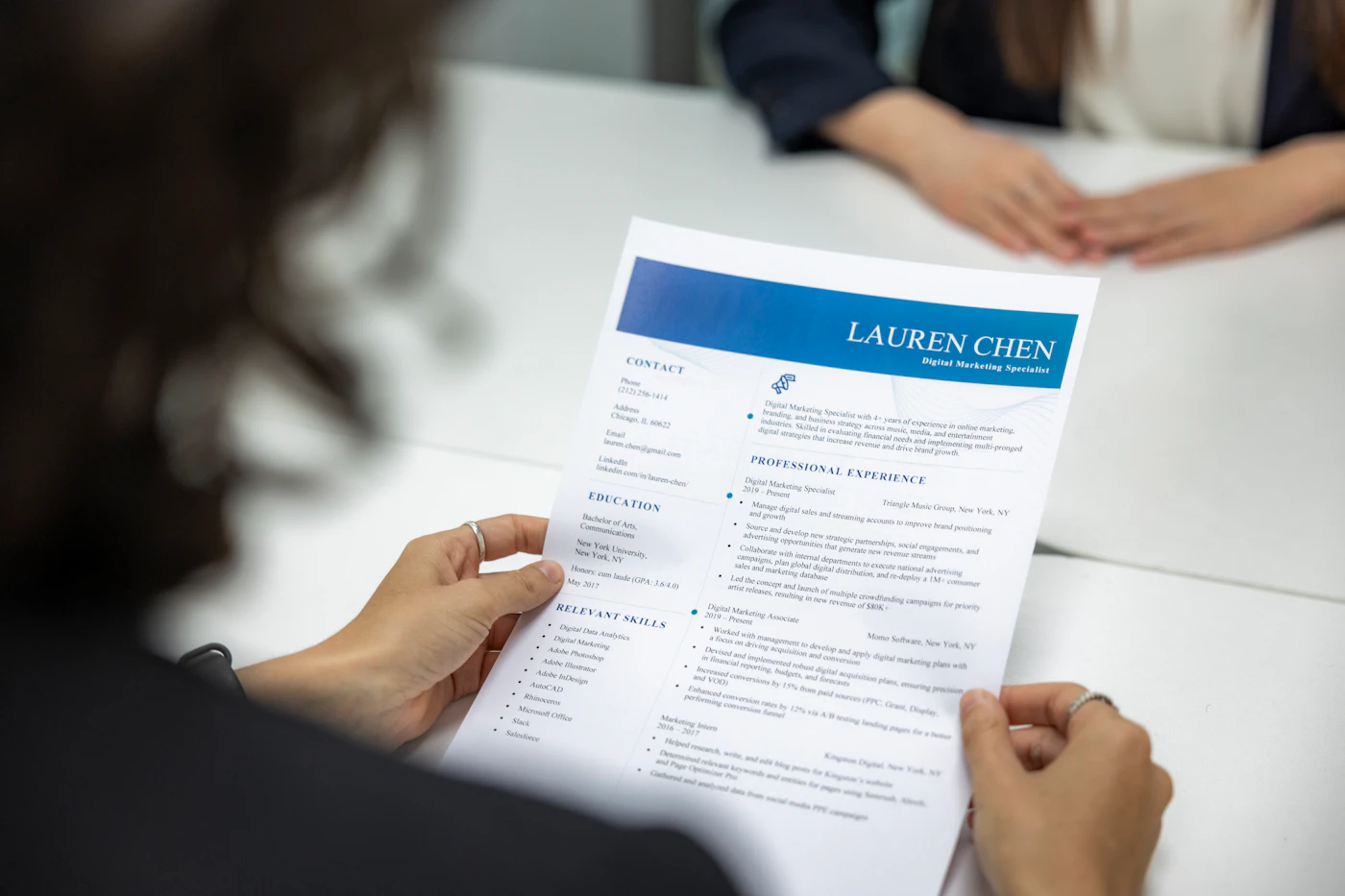
Mistake #1: Treating the Review as a Surprise Exam
Many employees walk into their performance review having done little or no preparation. They rely on memory to recall projects from the past six or twelve months, which rarely works well. When asked about specific accomplishments or challenges, the answers tend to come out vague. You might forget a key win or struggle to name a concrete example of a skill you developed.
This approach also puts you on the defensive. If the conversation is driven entirely by your manager’s notes and impressions, you are left reacting to their version of events. Opportunities to frame your work in context—like explaining a hiccup that required extra problem-solving—can slip away.
Instead, treat the review as a scheduled project with its own timeline. Start a running document early in the review period. Add notes as things happen, not the night before:
- Jot down a completed project or milestone as soon as you wrap it up.
- Note a difficult situation and how you handled it while the details are fresh.
- List any positive feedback you received from colleagues or clients.
Keep it brief—bullet points are fine. Then, a few days before the meeting, read through the document. Highlight the two or three items you most want to discuss.
This small habit changes the tone of the conversation. You are no longer guessing or scrambling. You arrive with a clear view of your own year, ready to share specifics and ask thoughtful questions. The review becomes a collaborative discussion rather than an interrogation.
If you are unsure how your manager structures the meeting, ask in advance. That is a simple, low-stakes question that lets you prepare with better focus.
Mistake #2: Focusing Only on Recent Achievements
When you sit down to prepare for a performance review, your brain tends to surface the most recent work first. That is normal. A project finished last week feels vivid, while a solid contribution from four months ago has already faded to the background. The problem is that this natural bias leaves your review lopsided. If you talk only about the last few weeks, you miss the steady effort that carried you through the rest of the review period, and your manager may walk away with an incomplete sense of your value.
The fix is simple but requires a small habit: keep a monthly log of what you actually did. You do not need a formal system. A running document or a note on your phone works. At the end of each month, jot down three or four items, including:
- Routine tasks you handled consistently, even if they were not flashy
- Small wins that solved a problem or saved someone time
- Extra projects you volunteered for or picked up when a colleague needed help
When review time comes, you will have a record that covers the whole period, not just the last sprint. From that log, build a balanced summary. Start with the steady responsibilities you carried, then highlight a few specific wins spread across the months. Finish with any larger initiatives you contributed to, even if they are still in progress. This approach shows your manager that you did not just show up recently; you showed up consistently, which is often the difference between a good review and a great one.
Mistake #3: Ignoring Self-Reflection and Growth Areas
It is natural to feel uneasy about discussing your shortcomings during a performance review. Many employees either dismiss their weaker areas or avoid bringing them up altogether, fearing that self-criticism will be held against them. However, skipping this part of your preparation can backfire. It may make you appear unaware of your impact, or worse, resistant to feedback that could help you advance.
Smart preparation involves an honest self-assessment before you walk into the room. Instead of waiting for your manager to point out gaps, take time to identify them yourself. Consider skills you genuinely want to strengthen, not just ones that look good on a development list. Reflect on specific situations from the past cycle that felt challenging or uncomfortable. What was the difficulty? How did you respond, and what would you do differently next time?
To frame these reflections as proactive growth rather than confessed failures, structure them clearly:
- Name one or two concrete skills you want to improve, such as public speaking, delegating, or data analysis.
- Recall a specific example where a lack of that skill created friction or a missed opportunity.
- Describe what you have learned and outline a realistic next step, like seeking a stretch assignment or asking for a mentor’s input.
Presenting this information shows that you are self-aware and motivated. You are not asking for pity; you are signaling that you have already started the work of improving. A review conversation is a two-way street, and your willingness to examine your own performance honestly sets a constructive tone for the entire discussion.
Mistake #4: Not Gathering Feedback or Evidence
When preparing for a performance review, relying on memory alone can leave you with a fuzzy picture of your past work. It is easy to forget the specifics of a project from eight months ago, especially when you have juggled multiple responsibilities. Without concrete details, your contributions can sound vague, and your manager may not connect your everyday efforts with the larger goals of the team.
A more effective approach is to gather feedback and evidence throughout the review period, not just in the days before your meeting. Make it a habit to periodically request input from colleagues, managers, or clients about collaborative work. A short, casual check-in after a completed project can yield useful comments while the work is still fresh in everyone’s mind.
In addition to spoken feedback, keep a simple file of supporting materials. Save emails that highlight a successful outcome, copy project summaries that show your role, and note positive comments from a client or teammate. This evidence serves two purposes:
- It provides tangible proof of your contributions, which can be especially helpful if your daily work is not highly visible to leadership.
- It helps you prepare specific examples that are clear and concise, making your part of the conversation more productive.
Taking a few minutes each month to update this file reduces last-minute stress and gives you a reliable record to review. When you walk into the meeting, you will have a calm, factual basis for discussing your performance, rather than relying on a rushed recollection of what you think you did.
Mistake #5: Going In Without Goals or Questions
It is easy to slip into a passive mindset when your manager schedules the performance review. You show up, listen to the feedback, and nod along. But if you treat the meeting as a one-way update, you leave valuable time on the table. The review is your chance to shape the conversation, not just receive it.
Without a clear purpose, you may miss the opportunity to align on what matters most for the coming months. You might also forget to ask for the tools or support you need to do your job well. And career development? That topic rarely surfaces on its own if you do not bring it up.
Before the meeting, take fifteen minutes to write down a few specific items. This preparation turns the review into a two-way dialogue that serves your growth.
- What do you want to learn? Consider asking about how your work is measured or what skills would make the biggest difference in your role.
- What do you want to clarify? If a project shifted scope or a priority changed mid-year, ask for clarity on expectations going forward.
- What do you need moving forward? Think about concrete resources, like access to training, more frequent check-ins, or help from a colleague on a heavy workload.
Write your questions down, even if they feel basic. A short list gives you a reference point during the discussion and keeps you from forgetting important topics when the conversation takes a turn. Walking in with a simple plan changes the dynamic: you are no longer just listening, but actively steering the meeting toward outcomes that matter to you.
Mistake #6: Letting Emotions Take Over or Fearing Negotiation
Performance reviews are rarely just about the work; they are also about how the feedback makes you feel. It is common to feel defensive when a manager points out a weakness, and that surge of emotion can quickly derail a productive conversation. On the other end of the spectrum, many people avoid the discussion altogether because they are uncomfortable with conflict, especially when it comes to asking for more money or a higher title.
Preparation should include your emotional state, not just your talking points. Before the meeting, take a few minutes to acknowledge that you might feel anxious or defensive. Practice a simple calming method, such as slow breathing or a short walk, so you have a tool ready if the conversation gets tense. This isn't about suppressing your feelings; it's about keeping them from steering the discussion away from your actual performance.
When it is time to negotiate, shift your mindset. You are not asking for a favor; you are engaging in a collaborative discussion about your value and future contributions to the team. Stick to the facts of what you have accomplished and focus on the work ahead. Avoid ultimatums or emotional language. If you feel yourself getting worked up, ask for a moment to collect your thoughts or request to continue the discussion the next day.
- Before the review: Write down your key accomplishments to anchor the conversation in evidence.
- During feedback: Listen fully before responding, and use a pause to separate emotion from reaction.
- For negotiation: Frame your ask around the role's future needs and how your skills meet them.
These steps are part of your everyday preparation. If you find that strong emotional reactions or a deep fear of negotiation consistently disrupt your work conversations, consider practicing with a mentor or a trusted colleague. Long-term difficulty in these areas may also be worth discussing with a professional who can offer strategies tailored to your situation.